Why India–England cricket clashes trigger massive search activity


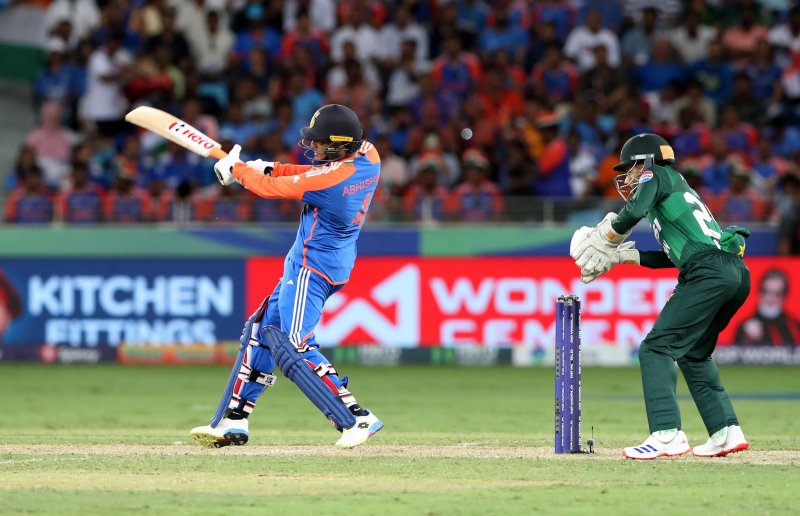
Cricket is more than a sport in India and England. It is culture, memory, rivalry, and spectacle rolled into one. Whenever the two nations meet on the field, global attention follows. That intensity is now reflected in digital behaviour: searches, social engagement, streaming demand, and online conversations consistently surge around India–England matches, News.Az reports.
Whether it is a five-day Test match, a nail-biting One-Day International, or a high-stakes T20, the matchup reliably fuels curiosity and online activity far beyond the boundary rope.
This enduring wave of interest speaks to a deeper narrative. India versus England is not just about cricket results or series tallies. It is a sporting story layered with history, talent, evolving styles of play, and modern fandom dynamics powered by smartphones, social media, and search engines. As more content-hungry fans seek instant updates, analysis, trivia, and video highlights, the rivalry has become a major force in digital sports consumption.
The roots of a global cricket rivalry
The cricketing relationship between India and England stretches back to the earliest days of the game’s globalization. England was the birthplace of modern cricket, while India, still a British colony at the time, played its first official Test match at Lord’s in 1932. That moment established a cricket relationship that has carried through decades of political change, social evolution, and sporting transformation.
For many fans, history deepens the stakes. Indian cricket grew from underdog beginnings into a dominant world power. England, meanwhile, has continually reinvented its style, particularly in white-ball formats. Every modern series is therefore read not only as a contest of skill, but as a new chapter in an old story. This historical richness is one reason fans pore over statistics, player comparisons, archival footage, and classic match recaps online.
Different formats, same intensity
The rivalry thrives across all three international cricket formats, and each brings its own flavour to search and fan engagement trends.
In Test cricket, India–England matches regularly deliver dramatic storylines: spinning pitches versus seam-friendly conditions, captains’ tactical gambles, long partnerships, and sudden collapses. Test cricket’s slower pace lends itself to ongoing online analysis, with fans tracking daily scorecards, pitch reports, weather forecasts, and expert commentary.
One-Day Internationals add another layer of suspense. From World Cup meetings to bilateral series, ODIs between these two teams often go deep into the final overs. This format attracts massive search interest for match schedules, ticket availability, live streaming options, team news, injuries, batting orders, and powerplay performance metrics.
The T20 era has amplified everything further. With shorter matches and attacking batting, T20 India–England contests generate large bursts of real-time online engagement. Fans search for highlight clips, strike-rate rankings, boundary counts, and bowling economy breakdowns. Fantasy cricket participation also spikes, driving demand for player form guides and probable XI predictions.
Superstars who shape the narrative
Player personalities and performances have a powerful influence on search trends. Whenever major figures such as Virat Kohli, Joe Root, Jasprit Bumrah, Ben Stokes, Rohit Sharma, Jofra Archer, Ravichandran Ashwin, or Jos Buttler take the field, cricket audiences worldwide tune in more closely.
Fans want to know everything: career records, match-by-match stats, fitness updates, press conference quotes, and opinion columns evaluating their form. Young talents making breakthroughs also spark curiosity. The result is a continuous churn of content that keeps interest high even between matches.
Searches also intensify around selection debates. Who will open the batting? Which spinner suits subcontinent conditions? Will a veteran be rested? As cricket increasingly becomes a data-rich sport, analysts and fans alike mine every available detail.
Digital fandom reshapes cricket consumption
India and England both have mature cricket cultures, but digital transformation has changed how fans interact with the rivalry. Mobile-first audiences now expect instant notifications, ball-by-ball commentary, predictive analysis, and social media debate threads.
Streaming services see subscriber upticks around big series. Sports apps trend on download charts. YouTube channels dissect everything from cover drives to captaincy tactics. Meanwhile, memes and fan edits circulate widely on social networks, helping the rivalry reach younger demographics who may not sit through an entire match but still follow the storylines.
This always-on environment means search interest no longer peaks only on match days. Build-up coverage, training footage, previews, injury watch updates, toss speculation, and post-match reaction all command attention. Even rumours, franchise-league chatter, or comments from former players can send fans searching for context.
Home advantage and contrasting conditions
One of the things that makes India–England cricket compelling is the dramatic shift in playing conditions between the two countries. England’s grassy pitches, overcast skies, and swinging Dukes ball provide a stern challenge for visiting batters. India’s slower, turning tracks test visiting bowlers and require technical adaptability.
Fans follow these differences closely. Searches rise for terms such as “spin-friendly pitch”, “reverse swing”, “batting technique against short ball”, or “best bowling strategy in subcontinent conditions”. Commentators discuss selection balance, and audiences look up how past teams have coped in similar environments.
The dynamic fuels a sense that every tour is a fresh test of character and skill. Even neutral venues continue to draw attention because conditions become a strategic unknown.
Global audiences beyond the two nations
While India and England supply the bulk of interest, their rivalry attracts viewers worldwide. Cricket fans in Australia, South Africa, Pakistan, New Zealand, the Middle East, North America, and the wider diaspora communities also search, stream, and engage. The Indian Premier League and England’s domestic competitions have globalised player brands, making international contests even bigger.
For media organisations, broadcasters, and platforms, this makes India–England fixtures highly valuable. Advertisers also recognise the scale of attention. As online sports consumption grows, so too does the commercial impact of such marquee series.
Emotion, identity, and shared respect
Despite the fierce competition, the rivalry contains a strong current of mutual respect. Many English stars have played in India’s professional leagues, while Indian cricketers are admired and followed across the UK. The relationship has become more collaborative over time, with shared coaching ideas, sports science advances, and player associations.
Still, tribal loyalties mean big emotions. Fans celebrate, argue, defend their heroes, and revisit painful losses or glorious wins. That passion drives repeat searches for match replays, classic images, and long-form storytelling.
Evergreen curiosity ensures sustained search demand
Unlike some sports rivalries that depend entirely on one tournament, India–England cricket is sustained across decades and multiple competitions. That gives it an evergreen quality. Fans search to learn history, assess form ahead of future tours, study young prospects, or simply relive famous moments.
As emerging technologies like AI-powered highlights, advanced analytics dashboards, and immersive sports coverage develop, the digital layer of the rivalry will only deepen. India–England cricket is no longer only what happens on the pitch. It is a continuous, global conversation.
For now, one thing is clear: whenever these two nations meet, the cricket world pays attention. And in the digital age, that attention is measurable in millions of searches, clicks, views, and voices.


Similar news