Why India’s gold obsession is hurting the rupee


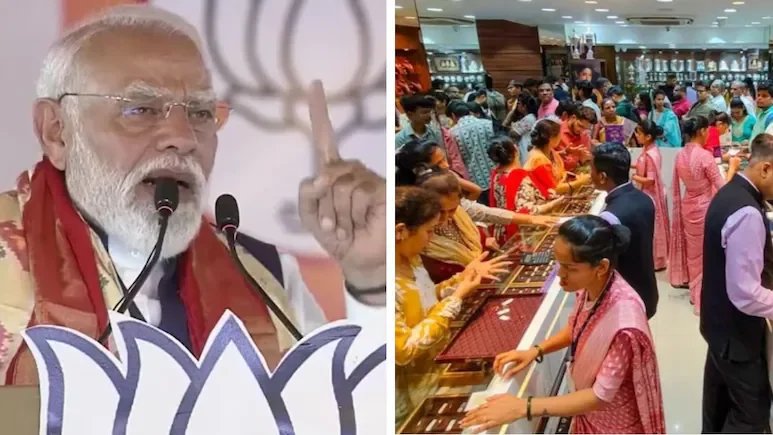
India’s growing appetite for gold is emerging as a major economic concern as rising imports add pressure on the country’s trade balance, foreign exchange reserves, and the rupee during a period of global geopolitical uncertainty.
India imported nearly $72 billion worth of gold in fiscal year 2026, marking a sharp 24% increase from the previous year. The country remains the world’s second-largest gold buyer, with most of its demand met through imports paid for in U.S. dollars, News.Az reports, citing NDTV.
The scale of these imports has become increasingly significant within India’s broader trade picture. The country’s total import bill for FY26 stood at roughly $775 billion, with four major commodities accounting for more than $240 billion of that figure.
RECOMMENDED STORIES
Crude oil imports reached around $134.7 billion, while gold imports totaled $72 billion. Vegetable oils and fertilisers added another $34 billion combined. Together, these four categories represented more than 31% of India’s total imports, with gold alone making up nearly one-tenth of the country’s import bill.
This growing outflow of dollars has become especially sensitive as oil prices surge amid tensions linked to the US-Iran conflict and disruptions around the Strait of Hormuz, one of the world’s most critical shipping routes for crude oil.
As energy costs climb, economists say reducing non-essential imports like physical gold could help ease pressure on India’s current account deficit and stabilize the rupee.
Analysts estimate that if Indian consumers reduced gold purchases by 30% to 40% for a year, the country could save between $20 billion and $25 billion in foreign exchange outflows. A 50% decline in gold imports could potentially save as much as $36 billion — a figure equivalent to nearly half of India’s projected current account deficit.
The issue becomes more complicated during geopolitical crises because gold is traditionally viewed as a safe-haven asset. Wars and global uncertainty often trigger higher gold demand, pushing prices upward and increasing import costs even further.
That creates a double burden for India: more expensive oil imports and rising gold purchases at elevated prices. Both require heavy dollar spending, increasing pressure on the rupee and the Reserve Bank of India’s forex reserves.
Economists say lower gold demand could reduce dollar buying in domestic markets, helping support the rupee and easing stress on India’s external finances.
Financial experts are also encouraging investors to shift away from physical gold purchases toward financial alternatives such as SIPs and Gold ETFs. Unlike imported jewellery and bullion, these instruments keep more capital circulating within India’s financial system while still allowing investors exposure to gold prices.
The broader economic message from Prime Minister Narendra Modi has also affected several sectors tied to discretionary spending and imports.
Travel and airline stocks have weakened amid calls to reduce overseas travel and luxury spending, while hospitality businesses tied to destination weddings and tourism are also facing softer sentiment.
Fuel-linked sectors have reacted to government appeals encouraging reduced fuel consumption, greater use of public transportation, and work-from-home practices as India tries to manage rising energy costs.
At the same time, businesses connected to edible oils and fertiliser imports are expected to adopt more cautious growth strategies as policymakers continue emphasizing import reduction and economic resilience.
With oil prices remaining elevated and geopolitical risks still high, economists say India’s import-heavy dependence on key commodities is likely to remain a central issue for markets, policymakers, and consumers throughout the year.
By Aysel Mammadzada


Similar news