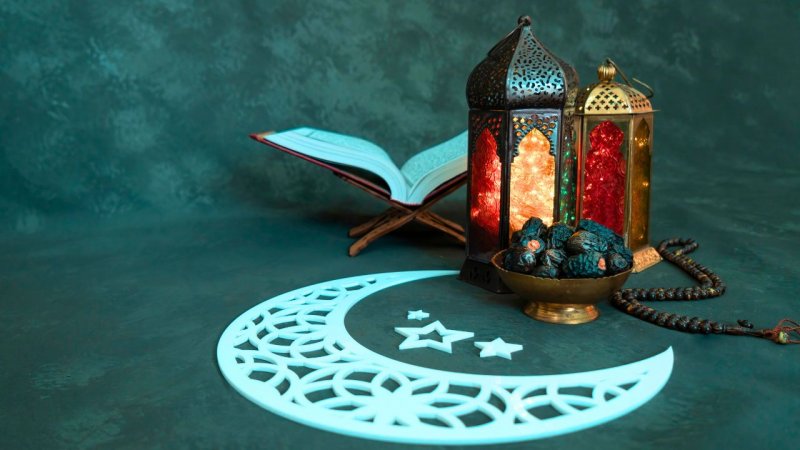
Unlike the Gregorian calendar, the Islamic calendar follows lunar cycles. As a result, Holy Ramadan moves approximately eleven days earlier each year. This lunar nature gives the month a unique rhythm, allowing Muslims to experience fasting across different seasons over time.
RECOMMENDED STORIES
Holy Ramadan holds exceptional importance because fasting during this month is one of the five pillars of Islam. These pillars define the core obligations of Muslim life. Observing Holy Ramadan is therefore not optional for eligible believers but a central act of worship.
The month emphasizes taqwa, meaning consciousness of God. By abstaining from food, drink, and physical desires during daylight hours, Muslims learn patience, humility, and gratitude. Holy Ramadan also deepens empathy toward the poor and hungry, reinforcing social responsibility and compassion.
Islamic tradition teaches that during Holy Ramadan, the gates of mercy are opened, forgiveness is more accessible, and rewards for good deeds are multiplied. This belief motivates Muslims to increase worship and moral conduct.
When Does Holy Ramadan Begin And End
Holy Ramadan begins with the sighting of the new crescent moon. Islamic authorities and scholars in different countries may announce its start based on local moon sighting practices or astronomical calculations. This is why Holy Ramadan may begin on different days across regions.
The month lasts either twenty nine or thirty days. It ends with the sighting of the next crescent moon, marking the beginning of Shawwal and the celebration of Eid Al Fitr. The conclusion of Holy Ramadan is a moment of gratitude and communal joy.
What Is Fasting During Holy Ramadan
Fasting during Holy Ramadan, known as sawm, involves abstaining from food, drink, smoking, and marital relations from dawn until sunset. The fast begins at fajr prayer and ends at maghrib prayer.
Fasting is not limited to physical restraint. Muslims are expected to avoid negative behavior such as lying, gossip, anger, and harmful speech. The purpose is spiritual purification and self control rather than physical hardship alone.
Certain individuals are exempt from fasting, including children, the elderly, pregnant or breastfeeding women, travelers, and those with medical conditions. Those who miss fasts must make them up later or provide charity, depending on their situation.
How Do Muslims Prepare For Holy Ramadan
Preparation for Holy Ramadan often starts weeks in advance. Many Muslims adjust sleep schedules, reduce distractions, and plan work commitments. Homes are cleaned, mosques are prepared, and families discuss spiritual goals for the month.
Spiritual preparation includes seeking forgiveness, increasing voluntary prayers, and setting intentions. Some aim to complete reading the Quran during Holy Ramadan, while others focus on improving personal character and strengthening family relationships.
What Happens During A Typical Day Of Holy Ramadan
A typical day during Holy Ramadan begins before dawn with suhoor, the pre dawn meal. After suhoor, Muslims perform the fajr prayer and begin fasting.
During daylight hours, most people continue their daily responsibilities such as work, school, and household duties. Energy levels may vary, but many find increased focus and mindfulness.
At sunset, the fast is broken with iftar. Families and communities gather, often starting with dates and water. Evening prayers include maghrib, isha, and taraweeh, followed by Quran recitation or personal reflection.
What Is Suhoor And Why Is It Important
Suhoor is the pre dawn meal eaten before the daily fast begins. It is strongly encouraged because it provides strength and hydration for the fasting hours ahead. Even a small amount of food or water is considered beneficial.
Traditional suhoor meals differ by culture but typically include foods that digest slowly, such as grains, dairy, fruits, and protein. Balanced nutrition helps maintain energy and concentration throughout the day.
What Is Iftar And How Is It Observed
Iftar is the meal that breaks the fast at sunset. It is often a deeply social event shared with family, friends, neighbors, and the wider community. Many mosques and charities host communal iftars, particularly for those in need.
The fast is traditionally broken with dates, following the practice of the Prophet Muhammad. After maghrib prayer, a full meal is enjoyed. Iftar menus vary widely, reflecting local cuisines and traditions.
What Are Taraweeh Prayers
Taraweeh prayers are special nightly prayers performed only during Holy Ramadan. They are held after the isha prayer and usually performed in congregation at mosques.
During taraweeh, long portions of the Quran are recited. In many mosques, the entire Quran is completed over the course of the month. Although taraweeh prayers are not obligatory, they are highly valued for their spiritual reward and communal atmosphere.
What Is Laylat Al Qadr
Laylat Al Qadr, known as the Night of Power, is considered the holiest night of Holy Ramadan. It marks the night when the first verses of the Quran were revealed.
Worship on Laylat Al Qadr is believed to be better than worship over a thousand months. The exact date is not specified, but it is widely believed to fall on one of the odd numbered nights during the last ten days of Holy Ramadan.
Many Muslims intensify prayer, Quran recitation, and supplication during this period, seeking forgiveness and divine mercy.
Why Is Charity Central To Holy Ramadan
Charity plays a major role during Holy Ramadan. Muslims are encouraged to give generously, reflecting the values of compassion and social justice. Charity can take many forms, including donating money, feeding the poor, and helping others with time and skills.
A specific form of charity associated with Holy Ramadan is Zakat Al Fitr. It must be given before the Eid prayer and ensures that everyone can participate in the celebrations of Eid Al Fitr with dignity.
How Does Holy Ramadan Affect Daily Life
Holy Ramadan significantly influences daily life, especially in Muslim majority countries. Working hours may be shortened, public events may shift to the evening, and restaurants may close during daylight hours.
Social life often becomes more vibrant after sunset, with families gathering for iftar and taraweeh. The shared experience of fasting fosters solidarity and a sense of collective purpose.
How Do Children Experience Holy Ramadan
Children are not required to fast until they reach puberty, but many families encourage gradual participation. Some children fast for part of the day or on weekends to learn discipline and appreciation.
Holy Ramadan for children often includes storytelling, charity activities, and mosque programs designed for young participants. The focus is on education and positive engagement rather than obligation.
How Is Holy Ramadan Observed Across Different Cultures
While the religious foundation of Holy Ramadan is universal, cultural expressions vary widely. In the Middle East, lanterns and communal night gatherings are common. In South Asia, bustling evening markets and elaborate iftar meals are popular.
In Southeast Asia and Africa, communal prayers and charitable food distribution play a central role. These diverse traditions highlight the global nature of Holy Ramadan while preserving its shared spiritual core.
What Challenges Do People Face During Holy Ramadan
Fasting can present challenges such as fatigue, dehydration, and disrupted sleep patterns, especially during long summer days. Balancing work, worship, and rest requires careful planning.
Many people address these challenges through nutritious meals, adequate hydration during non fasting hours, and mindful time management. The spiritual motivation of Holy Ramadan often helps individuals overcome physical difficulties.
What Happens At The End Of Holy Ramadan
Holy Ramadan ends with Eid Al Fitr, a festive day marking the completion of fasting. The day begins with a special congregational prayer followed by visits to family and friends.
Eid Al Fitr emphasizes gratitude, generosity, and joy. New clothes, gifts, and festive meals are common. It is also a time to reflect on the lessons learned during Holy Ramadan and commit to maintaining them.
How Does Holy Ramadan Promote Unity And Peace
Holy Ramadan strengthens unity by aligning millions of people around shared practices and values. Communal prayers, charity, and shared meals bring people together across social and economic boundaries.
The emphasis on patience, forgiveness, and kindness encourages peaceful interactions within families and communities. These values extend beyond the month itself.
What Are Common Misconceptions About Holy Ramadan
A common misconception is that Holy Ramadan is only about abstaining from food and drink. In reality, it is a comprehensive spiritual discipline involving behavior, intention, and social responsibility.
Another misconception is that fasting reduces productivity. While routines change, many people report increased focus, discipline, and emotional awareness during Holy Ramadan.
Why Holy Ramadan Matters Beyond Religion
Beyond its religious significance, Holy Ramadan offers universal lessons in self control, empathy, and ethical living. It encourages mindfulness, generosity, and respect for others.
In a fast paced world, Holy Ramadan provides a structured pause for reflection and reconnection, benefiting individuals and communities alike.
Frequently Asked Questions Summary
Holy Ramadan is a sacred month of fasting, prayer, reflection, and charity observed by Muslims worldwide. It begins with the sighting of the crescent moon and ends with Eid Al Fitr. Fasting is central, but spiritual growth, ethical conduct, and community solidarity define the true essence of Holy Ramadan.