World food prices rise for third straight month, Iran conflict disrupts supply


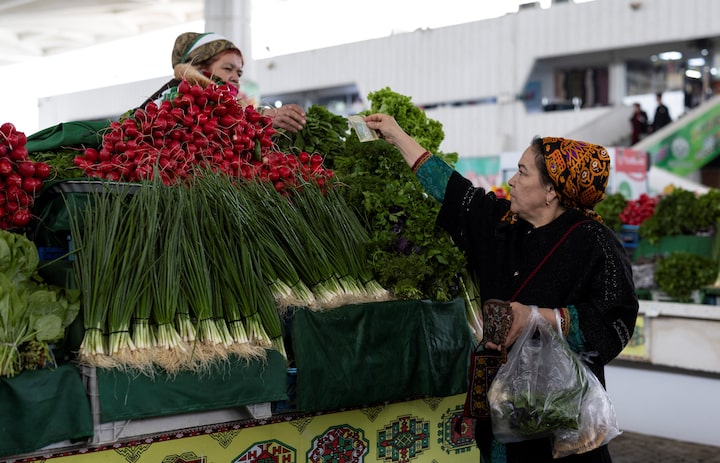
World food prices continued their upward trend in April, marking the third consecutive monthly increase, according to the latest data from the United Nations Food and Agriculture Organization.
The rise comes amid ongoing global supply pressures, with disruptions linked in part to the Iran conflict affecting key commodity flows, particularly vegetable oils, News.Az reports, citing Reuters.
The Food and Agriculture Organization reported that its Food Price Index averaged 130.7 points in April, reflecting a 1.6% increase compared to March. The index tracks a basket of internationally traded food commodities, including cereals, oils, dairy, meat, and sugar.
RECOMMENDED STORIES
Analysts note that vegetable oil prices were among the main drivers of the increase, as supply chains faced disruption tied to geopolitical tensions in key exporting regions. These pressures have added to already elevated global food costs, affecting both import-dependent economies and consumer markets worldwide.
Despite rising prices in some categories, the FAO also provided a more positive outlook for global supply. In a separate report, it slightly upgraded its forecast for 2025 world cereal production, projecting a record output of 3.040 billion metric tons—about 6% higher than the previous year.
The increase in expected cereal production suggests that global grain availability may remain relatively stable, even as short-term price volatility continues in other food sectors.
The latest data highlights a mixed global food outlook: while production is strong in some major staples, geopolitical instability and supply chain disruptions continue to put upward pressure on prices, keeping food affordability a concern for many countries.
By Aysel Mammadzada


Similar news