Xi calls for global AI governance body at APEC, positioning China against U.S. lead


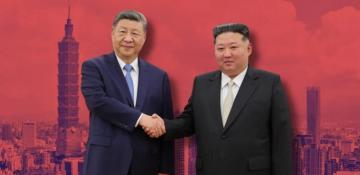
Chinese President Xi Jinping used the Asia-Pacific Economic Cooperation (APEC) summit in South Korea to call for the creation of a global organization to govern artificial intelligence, staking China’s claim as a leader in global tech regulation and trade cooperation.
Speaking at the gathering of regional leaders in Gyeongju, Xi promoted a World Artificial Intelligence Cooperation Organization, saying it would help establish global rules and ensure AI remains a “public good for the international community,” News.Az reports, citing Reuters.
“Artificial intelligence is of great significance for future development and should be made for the benefit of people in all countries and regions,” Xi said in remarks published by Xinhua.
The proposal marks Xi’s first public comments on the initiative, unveiled by Beijing earlier this year. China has signaled that the body could be headquartered in Shanghai, reinforcing its ambitions to shape the global AI agenda. The U.S., however, has rejected efforts to place AI governance under international mechanisms, preferring domestic frameworks and voluntary global commitments.
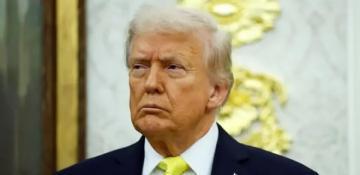
U.S. President Donald Trump skipped the APEC leaders’ retreat, returning to Washington after bilateral talks with Xi. The two leaders agreed to a one-year partial rollback of trade and technology restrictions, easing tensions between the world’s two largest economies.
Trump’s absence gave Xi a clear stage to promote China’s vision for multilateral trade and tech cooperation — positioning Beijing as a counter-weight to Washington’s policies.
While the global AI boom has been driven by advanced chips from U.S. firms like Nvidia, China is pushing its own path through lower-cost domestic models, such as those developed by DeepSeek. Beijing has framed this strategy as building “algorithmic sovereignty”, reducing reliance on U.S. technologies.
In addition to AI governance, Xi called for APEC economies to support the free flow of green technologies, an area where China has a dominant foothold — from electric vehicle batteries to solar manufacturing.
APEC leaders approved a joint declaration along with agreements on AI cooperation and ageing-population challenges. China will host the 2026 APEC summit in Shenzhen, the tech-driven southern city that has grown from a fishing village into a manufacturing powerhouse since becoming a special economic zone in the 1980s.
APEC includes 21 member economies and represents around half of global trade, serving as a core platform for dialogue on economic integration and regional growth.


Similar news