Trump-Xi meeting: Progress or just a pause in US–China rivalry?


.jpg)
Editor's note: Nijat Babayev is an Azerbaijan-based journalist. The article reflects the author’s personal views and may not necessarily represent the position of News.Az.
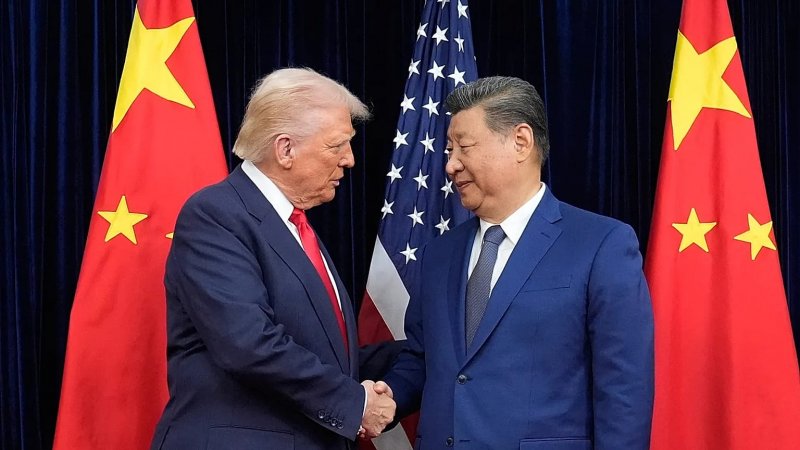
The October 30 meeting between U.S. President Donald Trump and Chinese leader Xi Jinping in Busan, South Korea, has drawn global attention; hailed by some as a breakthrough in Washington–Beijing relations and dismissed by others as little more than a tactical pause.
The nearly two-hour meeting, the first direct encounter between the two leaders in six years, produced tangible outcomes: tariff reductions, renewed agricultural trade, and supply chain assurances. But it also highlighted the limits of what can realistically be achieved in the complex and ongoing U.S.–China rivalry.
Tariff relief and trade war dynamics
The most visible outcome of the summit was the rollback of U.S. tariffs on Chinese goods, reportedly reducing certain rates from around 57% to 47%. On the surface, this signals a tangible easing of the trade war.
"I thought it was an amazing meeting," Trump told reporters aboard Air Force One shortly after departing Busan, adding that tariffs on Chinese imports would be cut from 57% to 47%.
For his part, Xi said China and the United States should work together to achieve “significant and tangible results” for both countries and the wider world. “President Trump is very enthusiastic about settling various regional hotspot issues and China has also been promoting peace talks to resolve various hotspot issues. As the world today is confronted with many tough problems, China and the United States can jointly shoulder their responsibility as major countries,” Xi stressed.
U.S. businesses reliant on Chinese imports stand to gain short-term relief, while Chinese exporters regain partial access to one of the world’s largest consumer markets. For both economies, the move offers breathing space after months of friction and market volatility.
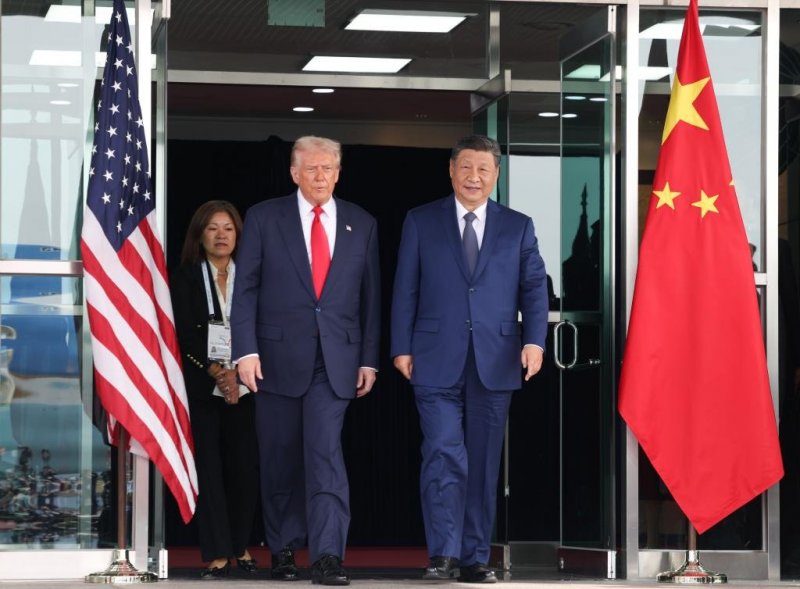 Photo: Xinhua
Yet the limitations are clear. Average tariffs remain historically high, meaning the trade war is far from over. Strategic sectors, particularly high-tech products and advanced semiconductors, continue to face severe restrictions. While the reduction eases some economic pressure, it does not address the structural tensions underpinning the conflict: competition for technological dominance, disputes over industrial policy, and concerns about intellectual property. In this context, tariffs are not simply economic tools but instruments of strategic leverage.
China’s concessions, such as resuming purchases of U.S. soybeans and other agricultural products, carry symbolic and political weight. For Trump, they provide domestic wins, especially among farmers who were hit hardest by retaliatory tariffs. For Beijing, these concessions are a relatively low-cost way to signal goodwill without compromising core strategic interests.
Similarly, the agreement to maintain the flow of rare-earth elements - crucial to global technology supply chains - provides stability, but with a major caveat: the commitments are reportedly time-limited. The rare-earth arrangement may last one year, creating a natural deadline that could reignite tensions if not renewed.
In essence, the Busan meeting represents a tactical truce, not a strategic settlement. Tariff reductions may calm markets, but the broader trade war remains unresolved. Both sides retain leverage and the ability to escalate if disputes resurface. Progress exists, but cautiously and conditionally.
Broader meeting outcomes
Beyond tariffs and trade, the Busan meeting produced several noteworthy outcomes. Both leaders emphasized dialogue over confrontation - symbolically important in a period of heightened tension.
China also committed to taking steps to limit exports of fentanyl precursors to the United States, addressing a major non-trade concern in bilateral relations. Although narrow in scope, this suggests a willingness to cooperate where interests align.
Still, core structural issues, including technology controls, industrial policy, intellectual property rights, and broader U.S. complaints about China’s state-capitalist model, remained largely untouched. The commitments on agriculture and rare earths, while concrete, do not change the underlying competition between the two powers. For that reason, the meeting’s outcomes should be seen not as a solution, but as a strategic pause.
Implications for markets, policy, and global strategy
For markets and supply chains, the immediate outlook is positive. Businesses relying on Chinese inputs or rare-earth materials gain short-term certainty, and the resumption of soybean imports offers a boost to U.S. farmers. But uncertainty lingers: the commitments are time-bound, and tariffs on key sectors remain high.
Politically, the meeting allows both leaders to claim victory. Trump can point to tariff cuts and agricultural purchases, while Xi can emphasize China’s ability to negotiate from a position of strength.
Internationally, the meeting signals that dialogue remains possible despite rivalry, but it does not eliminate the risk of renewed confrontation elsewhere - from Taiwan to the South China Sea.
For policymakers, the Busan outcomes highlight the need for careful management. Tactical progress should not be mistaken for long-term resolution. The structural drivers of the U.S.–China trade war, such as technological competition, industrial strategy, and state-backed economic models, remain unresolved. Ignoring these issues would invite future flashpoints.
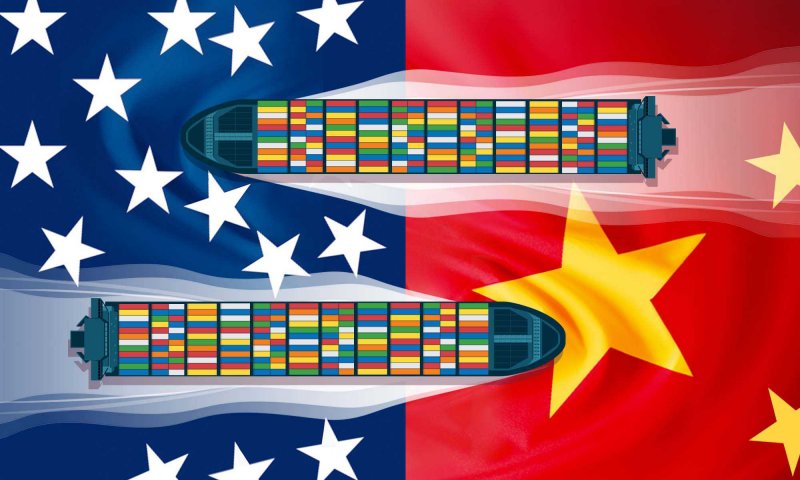 Photo: Shutterstock
Conclusion: Progress, but not a truce
In the end, the Busan meeting marks a meaningful step toward de-escalation, but it is far from transformative. Tariff reductions, renewed agricultural trade, and supply chain assurances provide tangible relief, yet they do not resolve the fundamental strategic rivalry.
Optimism is reasonable, but caution is necessary. A true resolution to the U.S.–China trade war, and the broader geopolitical competition, would require addressing the structural tensions beneath it, not merely adjusting tariff percentages. Until then, the Busan meeting should be viewed as a careful step forward in a rivalry that is far from over.
(If you possess specialized knowledge and wish to contribute, please reach out to us at opinions@news.az).


Similar news