2024 Election: Kamala Harris and her international agenda


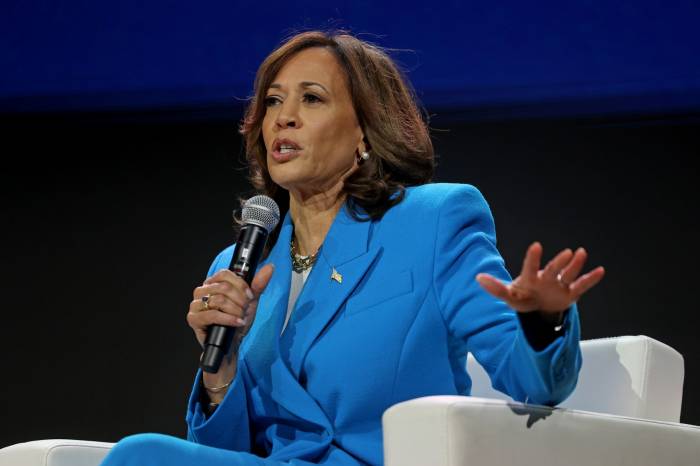
U.S. Vice President Kamala Harris has officially been declared a candidate for the presidency. Notably, Harris briefly assumed the presidential responsibilities in 2021 when President Joe Biden was under anesthesia.
Harris' journey to the presidential candidacy began on July 21, when President Biden suspended his re-election campaign. As the incumbent president, Biden endorsed Harris as the Democratic Party's candidate. She quickly emerged as the front-runner for the 2024 Democratic National Convention, receiving endorsements from President Biden, former Secretary of State Hillary Clinton, former President Bill Clinton, and the Congressional Black Caucus, among others. If elected, Harris would become the first woman and the first Asian American president of the United States, as well as the second African American to hold the office, following Barack Obama.
On August 5, 2024, online voting by delegates before the Democratic National Convention concluded, with the majority endorsing Kamala Harris as the presidential candidate. The next day, Harris announced Minnesota Governor Tim Walz as her running mate, who would assume the vice presidency if they win the election.
Kamala Harris is a significant political figure, with well-defined positions on various issues. Generally, her views on the basic principles of foreign policy and economic matters align with those of President Joe Biden. Here are some key points regarding her stance on international issues:
China: Harris has criticized former President Donald Trump's trade war with China, labeling the use of tariffs as counterproductive. She has also condemned China's human rights record, particularly the mass detention of Uyghurs and the suppression of Hong Kong protests. In 2019, Harris emphasized the need for cooperation with China on global challenges such as climate change while advocating for the U.S. to uphold human rights.
North Korea: Harris considers North Korea a serious threat to U.S. security. In 2018, she signed a letter asserting that President Trump lacked the authority to launch a preemptive strike on North Korea without congressional approval.
Iran: Harris supported the Iran nuclear deal, criticizing the Trump administration's withdrawal from the agreement in 2018. She described the killing of Qasem Soleimani as a dangerous escalation.
Saudi Arabia: In late 2018, Harris voted to continue U.S. military aid to Saudi Arabia despite its intervention in Yemen. She supported a resolution blaming Crown Prince Mohammed bin Salman for journalist Jamal Khashoggi's murder and called for a reassessment of U.S.-Saudi relations.
Russia: Harris condemned Russia's annexation of Crimea and the downing of Malaysia Airlines Flight 17. She expressed concern over the suspension of the Intermediate-Range Nuclear Forces Treaty by the Trump administration and emphasized the importance of reducing nuclear weapons.
Ukraine: In February 2023, Harris accused Russian forces of committing crimes against humanity during their invasion of Ukraine. She wrote a column for Time magazine in April 2024, dedicated to Yulia Navalnaya, the wife of Russian opposition politician Alexei Navalny. Harris was also one of the senators who initiated impeachment proceedings against President Trump during the Ukraine scandal.
In February 2024, Harris and Ukrainian President Volodymyr Zelensky held a joint press conference at the Munich Security Conference, where Harris pledged continued U.S. support for Ukraine.
Despite the debates surrounding Harris' candidacy, the final answer will only be revealed on November 5, 2024, after the vote counting concludes.
Harris' journey to the presidential candidacy began on July 21, when President Biden suspended his re-election campaign. As the incumbent president, Biden endorsed Harris as the Democratic Party's candidate. She quickly emerged as the front-runner for the 2024 Democratic National Convention, receiving endorsements from President Biden, former Secretary of State Hillary Clinton, former President Bill Clinton, and the Congressional Black Caucus, among others. If elected, Harris would become the first woman and the first Asian American president of the United States, as well as the second African American to hold the office, following Barack Obama.
On August 5, 2024, online voting by delegates before the Democratic National Convention concluded, with the majority endorsing Kamala Harris as the presidential candidate. The next day, Harris announced Minnesota Governor Tim Walz as her running mate, who would assume the vice presidency if they win the election.
Kamala Harris is a significant political figure, with well-defined positions on various issues. Generally, her views on the basic principles of foreign policy and economic matters align with those of President Joe Biden. Here are some key points regarding her stance on international issues:
China: Harris has criticized former President Donald Trump's trade war with China, labeling the use of tariffs as counterproductive. She has also condemned China's human rights record, particularly the mass detention of Uyghurs and the suppression of Hong Kong protests. In 2019, Harris emphasized the need for cooperation with China on global challenges such as climate change while advocating for the U.S. to uphold human rights.
North Korea: Harris considers North Korea a serious threat to U.S. security. In 2018, she signed a letter asserting that President Trump lacked the authority to launch a preemptive strike on North Korea without congressional approval.
Iran: Harris supported the Iran nuclear deal, criticizing the Trump administration's withdrawal from the agreement in 2018. She described the killing of Qasem Soleimani as a dangerous escalation.
Saudi Arabia: In late 2018, Harris voted to continue U.S. military aid to Saudi Arabia despite its intervention in Yemen. She supported a resolution blaming Crown Prince Mohammed bin Salman for journalist Jamal Khashoggi's murder and called for a reassessment of U.S.-Saudi relations.
Russia: Harris condemned Russia's annexation of Crimea and the downing of Malaysia Airlines Flight 17. She expressed concern over the suspension of the Intermediate-Range Nuclear Forces Treaty by the Trump administration and emphasized the importance of reducing nuclear weapons.
Ukraine: In February 2023, Harris accused Russian forces of committing crimes against humanity during their invasion of Ukraine. She wrote a column for Time magazine in April 2024, dedicated to Yulia Navalnaya, the wife of Russian opposition politician Alexei Navalny. Harris was also one of the senators who initiated impeachment proceedings against President Trump during the Ukraine scandal.
In February 2024, Harris and Ukrainian President Volodymyr Zelensky held a joint press conference at the Munich Security Conference, where Harris pledged continued U.S. support for Ukraine.
Despite the debates surrounding Harris' candidacy, the final answer will only be revealed on November 5, 2024, after the vote counting concludes.
(If you possess specialized knowledge and wish to contribute, please reach out to us at opinions@news.az).


Similar news