Azerbaijan expands gas exports to the Balkans


By Faiq Mahmudov
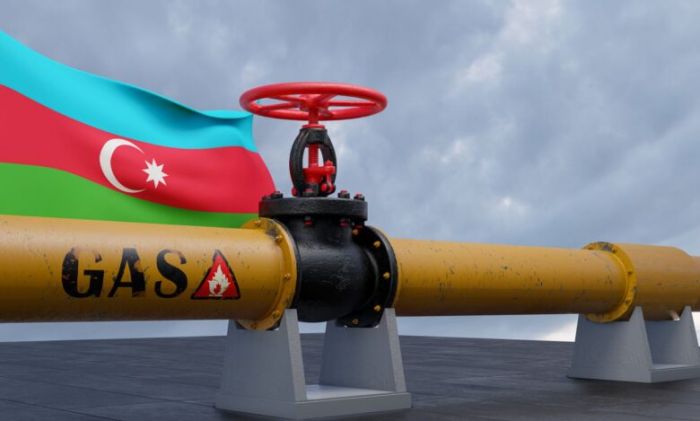
The State Oil Company of Azerbaijan (SOCAR) has proudly announced that it began supplying natural gas to Croatia starting September 1. This development is not just another energy deal but a pivotal moment in strengthening the energy partnership between Azerbaijan and Croatia. As Europe braces for the winter season, this timely supply of Azerbaijani gas underscores the growing importance of Azerbaijan in the European energy market.
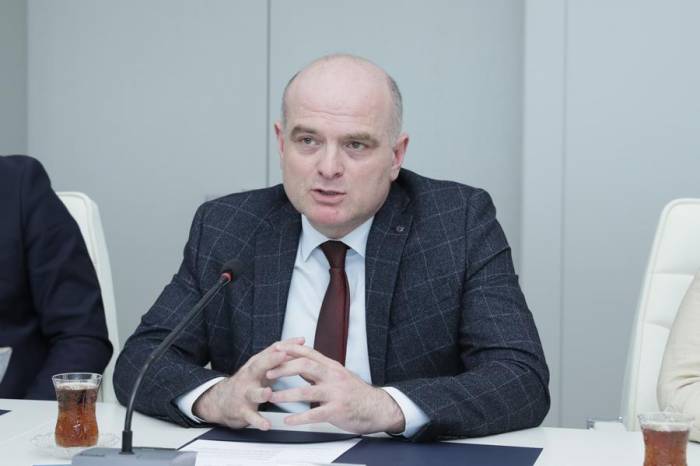
To understand the broader implications of this move, News.Az consulted Professor Elshad Mammadov, a renowned Azerbaijani economist and expert on energy markets.
According to Professor Mammadov, the initiation of gas supplies to Croatia holds substantial economic and geopolitical benefits for Azerbaijan. "This new cooperation is not just about economics; it's also about enhancing Azerbaijan's geopolitical footprint in Europe," he stated.
Professor Mammadov elaborated on the economic advantages: "By expanding its gas export network to include Croatia, Azerbaijan is effectively widening its market reach in Europe. This is crucial for the country's long-term economic strategy. However, it's important to maintain a balance between imports and exports. We should focus on importing advanced technologies that can elevate our national economic competitiveness. By doing so, we not only enhance our own technological base but also attract valuable investments into Azerbaijan."
He emphasized the need for a balanced approach to foreign trade. "A strategic balance between what we import and export is vital," he noted. "Our goal should not simply be converting our natural resources into cash. Instead, we should aim for a fair exchange that includes technology transfer, which could significantly boost our economic landscape."
Beyond just economic transactions, Professor Mammadov sees Azerbaijan's gas exports to Croatia as part of a larger strategy that involves strengthening economic ties with technologically advanced countries. "Croatia has shown progressive thinking, especially in its adoption and development of new technologies. This presents a unique opportunity for Azerbaijan to collaborate with Croatia and other European nations on projects that go beyond simple energy transactions. By focusing on technology exchange, Azerbaijan can leverage these relationships to foster innovation and economic growth back home."
He further pointed out the critical importance of advancing the non-oil sectors of Azerbaijan’s economy. "The future of our economic development lies in diversifying away from raw materials," he explained. "By fostering partnerships that bring in new technologies, we can stimulate growth in other sectors of our economy, such as manufacturing and services. The economic dividends from such cooperation are potentially huge and should be a primary focus for our policymakers."
The conversation also touched upon the current geopolitical dynamics in the energy sector, particularly the tensions between Russia and Ukraine. Professor Mammadov highlighted that Ukraine's recent attack on Kurs k does not come as a surprise given the ongoing developments in the energy landscape. "With the gas supply and transit agreement between Russia and Ukraine set to expire at the end of this year, and with the current strained relations, the likelihood of renewing the agreement is slim. All involved parties—Ukraine, Russia, and Europe—are now exploring alternative scenarios."
He stressed that despite the apparent complexities, all parties are highly motivated to find a solution. "Ukraine, given the fragile state of its energy infrastructure, is particularly keen to ensure continued gas supplies. Russia, meanwhile, is focused on retaining its market share in Europe, even if it means navigating through a challenging landscape. And for Europe, maintaining stable energy supplies is crucial to avoid further economic downturns, particularly in its industrial sectors."
Looking ahead, Professor Mammadov is optimistic about finding practical solutions. "There are several potential avenues for maintaining gas supplies. One realistic option is for companies from third countries to step in and broker separate agreements with both Russia and Ukraine. This would allow gas to be supplied to Ukraine and, through it, to Europe under specific terms and conditions, bypassing direct legal ties between Russia and Ukraine."
He concluded with a hopeful note: "I believe that by the end of this year, we will see these agreements come into effect. This will ensure that gas continues to flow to Europe, meeting the needs of all parties involved. This is not just about energy—it's about stability, economic growth, and cooperation in a challenging global landscape."


Similar news