Baruch Fischhoff: Attendees of COP29 Baku to be motivated by different goals


The information-analytical portal News.Az continues its series of articles, interviews and videos entitled "COP29 Baku".
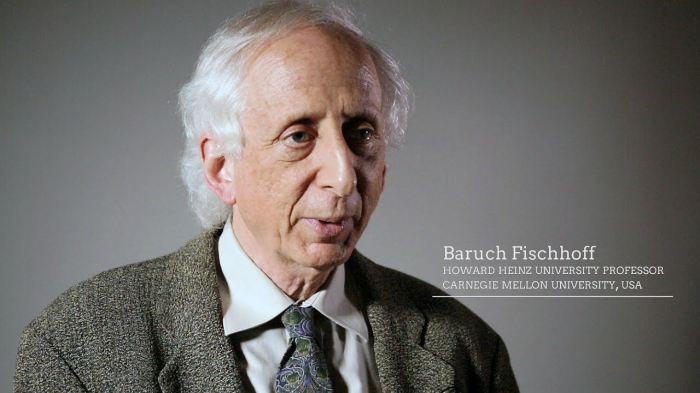
As part of this series, we will be posting interviews with and videos of prominent climate and environmental experts. Below is our second interview from this series. Our guest is Baruch Fischhoff, Howard Heinz University Professor, Carnegie Mellon University.- In your opinion, what are the main goals of the COP29 world conference, which will be held in Azerbaijan, and what priorities will be highlighted to achieve these goals? What are your expectations from this conference?
- The official goals will be in the official documents. The motives of the attendees will be varied. They include addressing climate change and paying a fair share of any price, addressing climate change and paying less than a fair share, preventing climate change action, and being where the action is. People define “fair share” differently.
- How do COP conferences contribute to global efforts to combat climate change and what specific results are achieved from such conferences?
- That would be an excellent research question. I assume that the answer is different for different governments, NGOs, and groups of the public. Some probably find the conferences encouraging, some the opposite.
- Is a green transition possible worldwide? What are the prospects for this transition and what difficulties will countries face?
- I am optimistic that people concerned about the world will do the right thing if given good information and good options. That conclusion does not apply to people for whom climate change is a topic in a larger political agenda.
- What is the greater threat to the green transition - reduction in investment or available technologies for it?
- The greatest threat is leaving the public behind, by denying it good information and good options. Good information includes candid, comprehensible, relevant information about costs, risks, and benefits, including uncertainties. Good options are ones that enable individuals and communities to live their lives well and contribute fairly to the global good.
We have the behavioral and decision science research needed to accomplish these goals. Typically, though, government and industry people rush ahead with projects, without engaging the public. Such arrogance loses trust and misses opportunities.
- What innovative technologies and initiatives to combat climate change are being introduced today?
- The best technologies and initiatives are developed in collaboration with the people who will use and be affected by them. I wouldn’t trust, or invest in, anything developed in isolation, whatever promises are made.


Similar news