BRICS Summit in Kazan: Analysts on the significance of Aliyev and Pashinyan’s meeting


.png)
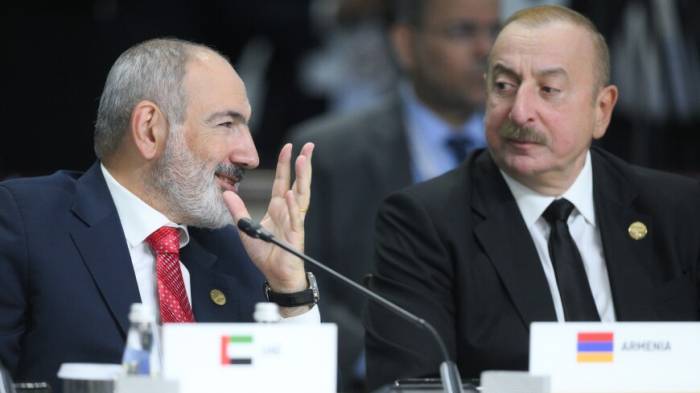
On October 24, Kazan hosted the first plenary session of the 16th BRICS Summit in the Outreach/BRICS+ format, with Azerbaijani President Ilham Aliyev in attendance.
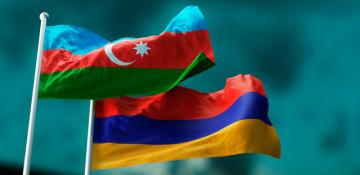
President Aliyev met with Armenian Prime Minister Nikol Pashinyan on the sidelines of the Summit, where the leaders discussed a potential peace agreement. Both heads of state instructed their foreign ministers to expedite the drafting of a peace treaty, signaling momentum toward a long-awaited resolution.News.Az reached out to political analysts for insights on this meeting's implications. Baku-based political scientist Matin Mammadli highlighted the importance of BRICS as a counterbalance to Western economic and political dominance. "The unifying interest among BRICS members is the vision of a multi-polar, diverse world without a singular power monopoly. With BRICS countries comprising over 30% of global GDP, 43% of the world's population, and 26% of the planet's landmass, the organization wields significant global influence," he noted. Azerbaijan’s participation in the BRICS platform aligns well with its multi-vector foreign policy and strategic economic partnerships with BRICS member nations.
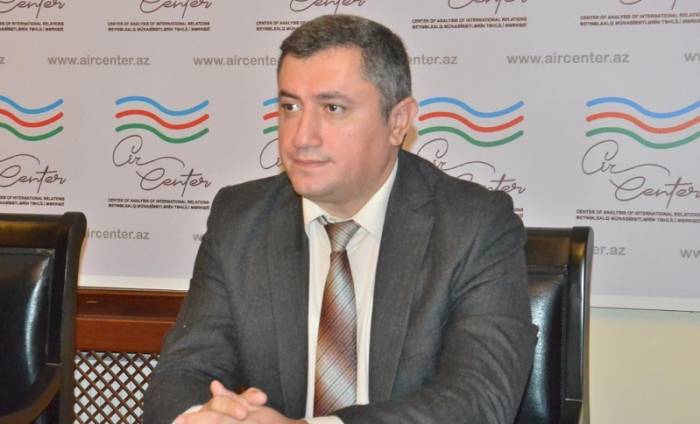
Reflecting on the Kazan meeting between the Azerbaijani and Armenian leaders, Mammadli observed that the gathering could catalyze peace negotiations. "Following this meeting, both leaders issued statements instructing their foreign ministers to accelerate peace talks and normalize diplomatic relations. It seems around 80-90% of the peace agreement has already been agreed upon, and the remaining issues, though small, are critical for Azerbaijan," he said, adding that Armenia now faces additional responsibilities to align with Azerbaijan’s well-defined stance based on national interests.
Mammadli also touched on external influences on the peace process, acknowledging Russia's active role as a mediator since the end of the Second Karabakh War. "Russia played a key role in ending the conflict, and it continues to seek a strong position in facilitating peace negotiations," he explained. In parallel, the United States and the European Union are keen to shape outcomes, with the U.S. President recently urging both leaders to finalize a peace agreement swiftly. However, Mammadli underscored that the progress seen in Kazan is primarily a product of direct dialogue between Azerbaijan and Armenia, with external players as facilitators rather than drivers.
Tural Ismayilov, a political analyst and sector manager at the Social Research Center , emphasized the strategic importance of President Aliyev’s participation in the BRICS Summit, noting that BRICS represents approximately half of the world’s economic power. "As global interest in BRICS grows, Azerbaijan’s presence on this platform allows it to amplify its narrative internationally," Ismayilov said. Bilateral relations between Azerbaijan and leading BRICS nations, such as Russia and China, are well-established, underscoring Azerbaijan’s strategic interest in this evolving geopolitical and economic space.
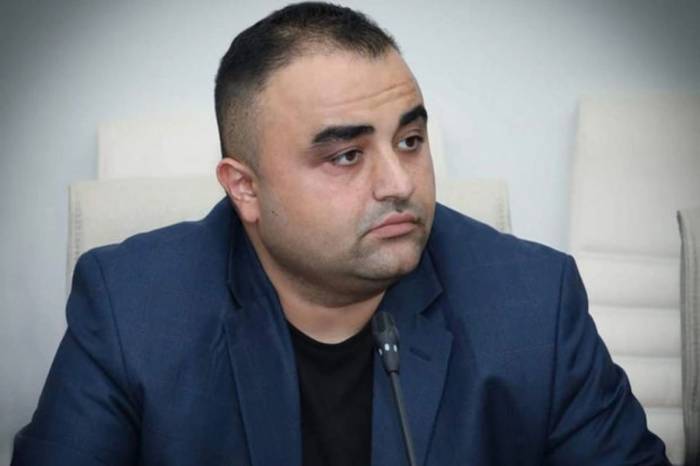
Ismayilov also reflected on the potential impact of the Kazan meeting on Azerbaijan-Armenia relations. While diplomatic challenges remain, he interpreted the meeting as a positive sign, with key issues discussed openly and both countries’ foreign ministers participating actively. "It’s clear that Azerbaijan, as the victorious side, continues to push for peaceful solutions without exerting undue military or political pressure," he stated, emphasizing Azerbaijan’s consistent stance as a peace-oriented regional power.
Addressing Armenia's stance, Ismayilov called for an end to the perceived double standards in Armenia’s diplomatic approach. He urged Armenian leaders to eliminate constitutional territorial claims against Azerbaijan and Turkey, which remain a significant barrier to normalized political and economic relations. Additionally, Ismayilov pointed out Russia’s consistent engagement in the mediation process since the post-war declaration on November 10, noting that Armenia has yet to fulfill its commitment to the opening of the Zangezur Corridor—a project expected to enhance regional connectivity and economic cooperation under Russia’s oversight.
Ismayilov concluded that the renewed directive for foreign ministers to expedite a peace treaty reflects a tangible step forward. However, he emphasized that Russia’s influence remains critical, as Armenia’s economic dependencies and political complexities continue to shape its diplomatic posture.


Similar news