China bets on Russian energy and defies U.S. pressure


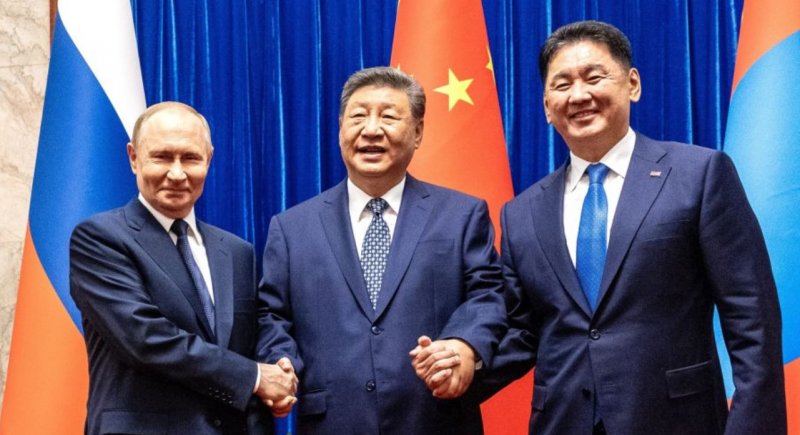
The announcement that Russia and China have signed a binding memorandum on the Power of Siberia 2 pipeline is more than just an energy deal. It is a geopolitical statement. For years, Moscow has been lobbying Beijing to expand gas cooperation, hoping to compensate for the loss of the European market. Now, at a moment of heightened global tensions, China has finally given the green light — not because it urgently needs the gas, but because it sees strategic value in deepening ties with Russia and signaling defiance to Washington.
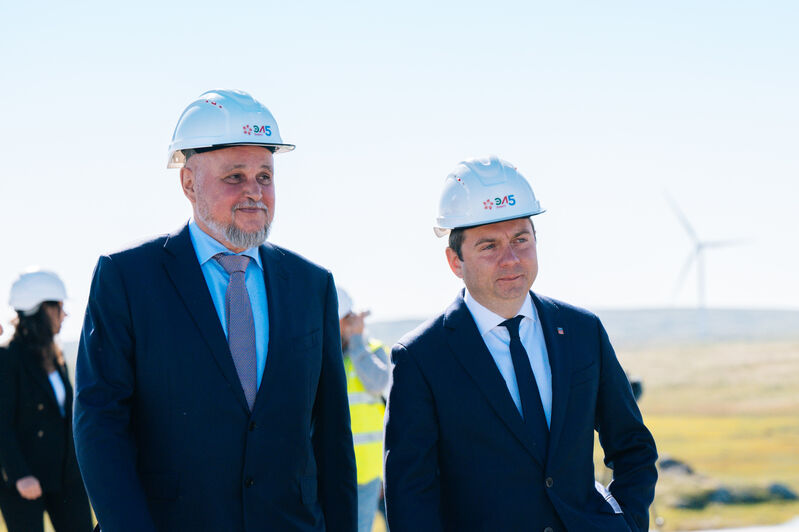
Russian Energy Minister Sergey Tsivilev confirmed that the new pipeline will run through Mongolia, carrying 50 billion cubic meters of gas annually. While the project remains at the preliminary feasibility stage, the outlines are clear: a massive 6,700-kilometer pipeline, with 2,700 kilometers on Russian territory, at an estimated cost of $10–13.6 billion. For Moscow, this is a lifeline. For Beijing, it is leverage.
China’s decision comes at a time when the European Union is preparing to completely abandon Russian gas by 2027. Moscow’s previous dominance over the European energy market — once covering 40% of Europe’s natural gas demand — has been shattered. This collapse was partly self-inflicted. Well before the invasion of Ukraine, Russia deliberately cut gas supplies to Europe in an attempt to create an energy crisis and discourage the EU from interfering in its plans. The gamble failed. Europe diversified its sources, turning to U.S. liquefied natural gas (LNG) and other suppliers, leaving Russia scrambling for alternatives.
Beijing is not rushing into dependency. Analysts point out that China doesn’t actually need this extra gas right now. Its decision is therefore primarily geopolitical. It is a message to the world that China will chart its own course, even if it means openly defying U.S. threats. Former U.S. President Donald Trump has warned that Washington would respond with higher tariffs on countries purchasing Russian oil, but Beijing has ignored these warnings. During a recent Russian delegation visit, Rosneft signed a deal with Chinese partners to deliver an additional 2.5 million tons of oil annually via Kazakhstan — a direct challenge to U.S. sanctions policies.
From Moscow’s perspective, Power of Siberia 2 is essential. With the original Power of Siberia pipeline already maxed out at 38 bcm (soon to expand to 44 bcm), and with its infrastructure designed primarily for European routes, Russia cannot simply reroute existing flows to China. A new pipeline is the only viable solution. Yet even if construction begins immediately, experts warn that it will take five to six years to build and another five years for China to gradually scale up imports to full capacity. By that time, the geopolitical landscape could shift dramatically.
The risks are enormous. Energy expert Sergey Vakulenko of the Carnegie Berlin Center argues that even at full capacity, the pipeline’s 50 bcm per year is just one-third of Gazprom’s pre-war peak exports to Europe and Türkiye, which reached 165 bcm in 2019. In other words, Gazprom’s revenues could be cut in half, permanently shrinking Russia’s role in the global energy market. Asia offers opportunity, but also competition. The United States has already cemented its position in Europe, and Washington will likely work to block Moscow’s pivot to Asia.
Analyst Igor Yushkov, from the National Energy Security Fund, warns that if U.S.-China tensions escalate, Washington could go so far as to disrupt southern energy supply routes to China, including LNG shipments from Australia, Beijing’s largest supplier. In this scenario, Russia’s gas could become indispensable to China — but only if the pipeline is ready in time.
For now, the move feels like a political gesture. By approving the deal, Beijing has given Moscow a badly needed diplomatic victory, allowing the Kremlin to project strength at the Shanghai Cooperation Organization summit and beyond. It is also a calculated signal to the United States: China will not be intimidated by threats or tariffs.
Still, this is a dangerous game. While Russia celebrates the memorandum as a breakthrough, the reality is more complex. Even under the best circumstances, Power of Siberia 2 cannot replace the vast revenues once earned from Europe. If the project falters, Gazprom risks being sidelined completely in the global energy race.
China, meanwhile, retains the upper hand. By dragging out negotiations and controlling the pace of implementation, Beijing ensures that it remains in a position of power. Today’s agreement may look like a win for Moscow, but in truth, it cements Russia’s growing dependence on Beijing. In the long run, the real power of Siberia may lie not in the pipelines, but in the political leverage China gains over its increasingly isolated partner.
By Tural Heybatov


Similar news