From sanctions to hope: How the world sees Venezuela’s crisis


Editor’s Note: Pedro Escobar Medina is a journalist and director of the QAP Chaco News Agency in Paraguay. He writes on geopolitics, development, and Latin American affairs. The views expressed in this article are his own and do not necessarily reflect those of News.Az.
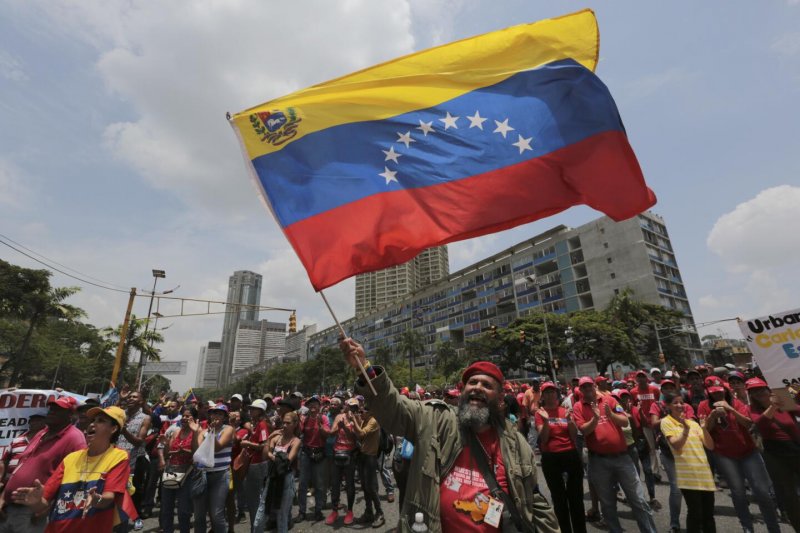
Venezuela today stands as one of the most heartbreaking reminders of how fragile democracy can be. Years of broken institutions, political repression, and economic collapse have left millions of Venezuelans struggling to survive. Families face empty shelves, hospitals without medicine, and the painful choice of leaving their homeland behind. More than seven million people have already fled, creating one of the largest migration crises Latin America has ever seen.
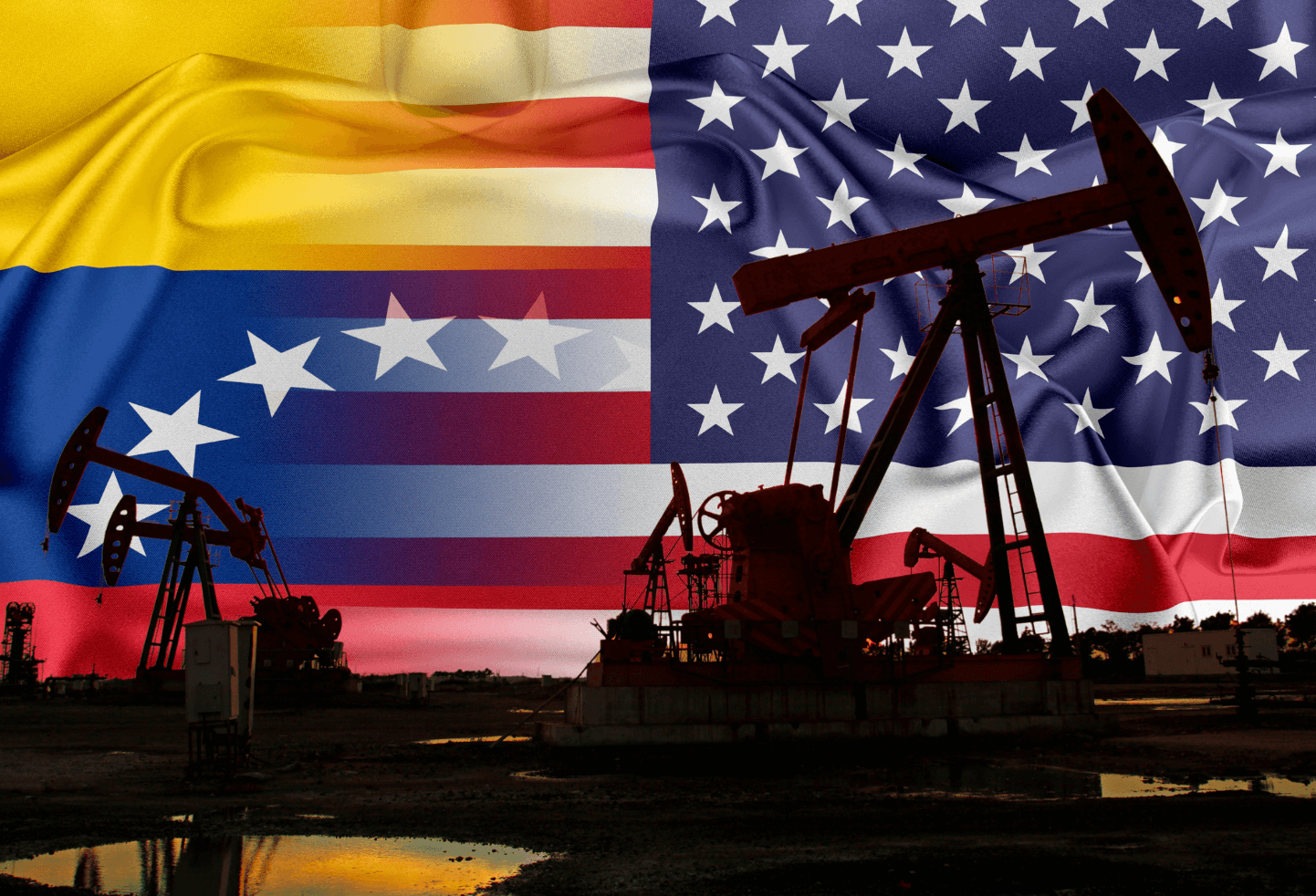
In this reality, every diplomatic move matters. Washington’s recent steps toward Caracas should not be seen simply as interference, but rather as part of a broader effort to help restore democracy and alleviate human suffering.

Source: Reuters
From Asunción, Paraguay, the message has been clear and unwavering. President Santiago Peña insists that his country’s position is firm: democracy, the rule of law, and fundamental freedoms are non-negotiable. Long before today, Paraguay warned that Venezuela’s situation was “unsustainable,” the product of an illegitimate regime that rejects democratic values.
The collapse of Venezuela’s institutions is not just politics—it is a human tragedy. Behind the statistics are mothers skipping meals so their children can eat, doctors forced to improvise without medicine, and young people walking thousands of miles in search of opportunity. For them, any step toward change is more than politics—it is hope.
Source: CNN
Washington’s renewed involvement—whether through sanctions, diplomacy, or coordination with allies—must be understood through this humanitarian lens. The goal is not punishment, but accountability. It is about rebuilding institutions and creating the conditions for free, credible elections. When international pressure is guided by democratic principles, it can protect citizens instead of oppressing them.
Other voices across Latin America echo this call. Leaders in Chile, Uruguay, Costa Rica, and the Caribbean stress the need for transparency, human rights, and democratic guarantees. Even countries once close to Caracas now express unease at the crisis and its ripple effects across the region.
Paraguay’s own history gives weight to its words. Having lived through dictatorship and rebuilt democracy step by step, Paraguay knows recovery is possible. It takes political will, citizen courage, and international support—but it can be done.
Source: chinausfocus
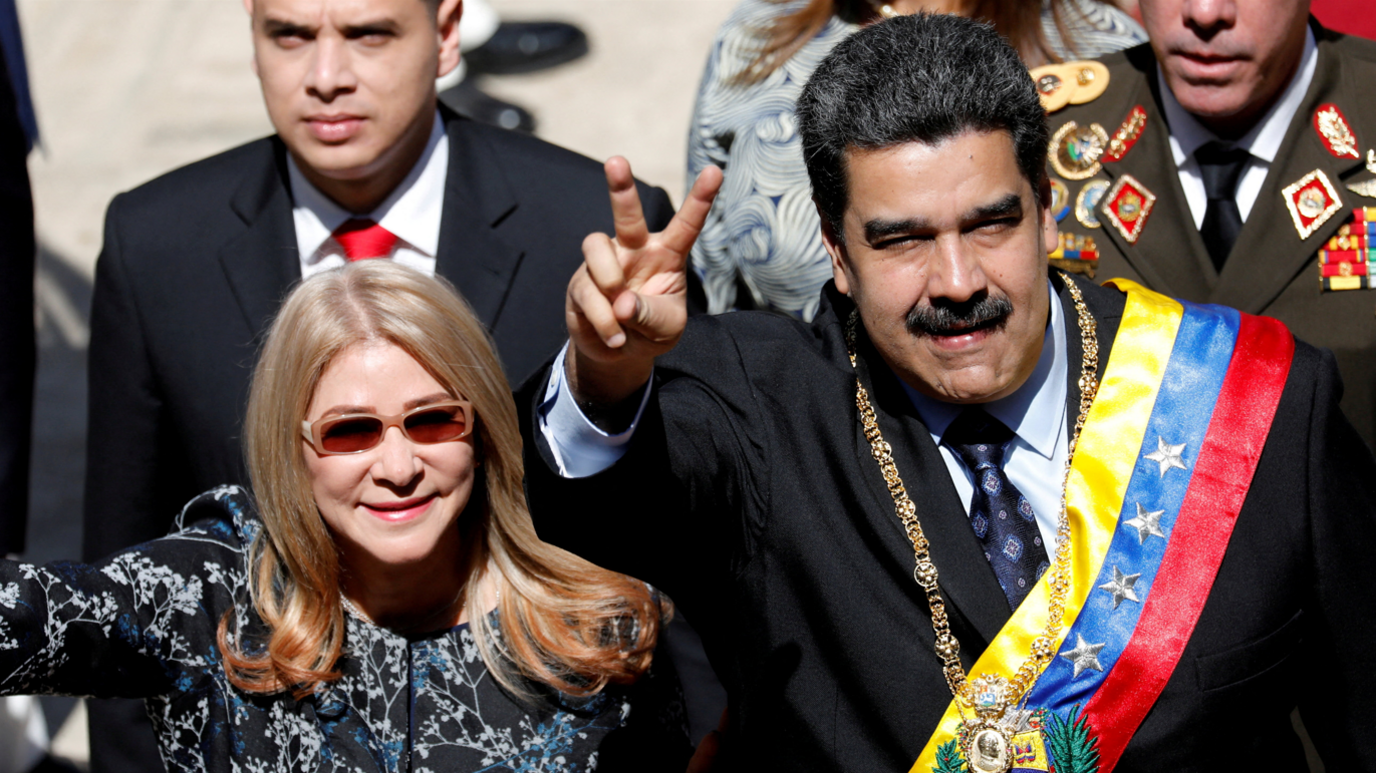
There are even growing discussions about legal accountability for Venezuela’s leadership, including Nicolás Maduro. While any judicial process would be complex and slow, the fact that these conversations exist signals a shift: impunity is no longer certain. Justice, however delayed, remains a legitimate aspiration.
Ultimately, Venezuela’s crisis will not be solved by isolation or force. It requires dialogue, sustained international engagement, and a peaceful transition. Paraguay’s voice, joined by others across the hemisphere, carries a simple but powerful truth: Venezuelans deserve freedom, dignity, and the chance to shape their own future.
History will not judge this moment by speeches, but by outcomes. And for millions of Venezuelans, democracy is not a slogan—it is survival.
(If you possess specialized knowledge and wish to contribute, please reach out to us at opinions@news.az).


Similar news