How India is involved in arming Ukraine: New facts revealed


By Samir Muradov
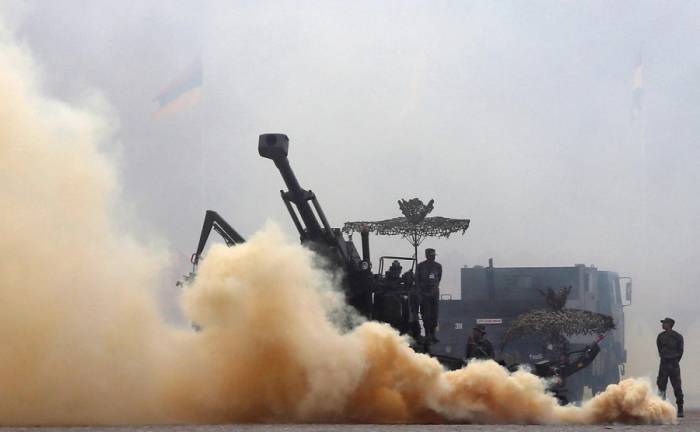
India, which has repeatedly proclaimed its neutrality regarding the Ukraine conflict, now finds itself embroiled in a scandal that casts doubt on its true intentions. While Delhi continues to advocate for diplomatic resolution and Prime Minister Narendra Modi has met with Ukrainian President Volodymyr Zelensky in Kyiv, where he proposed India’s “peace plan,” an inconvenient truth has emerged: India is directly or indirectly involved in supplying ammunition to Ukraine. Despite its claims of neutrality, evidence shows that Indian-made artillery shells have been making their way to Ukraine via European countries for over a year.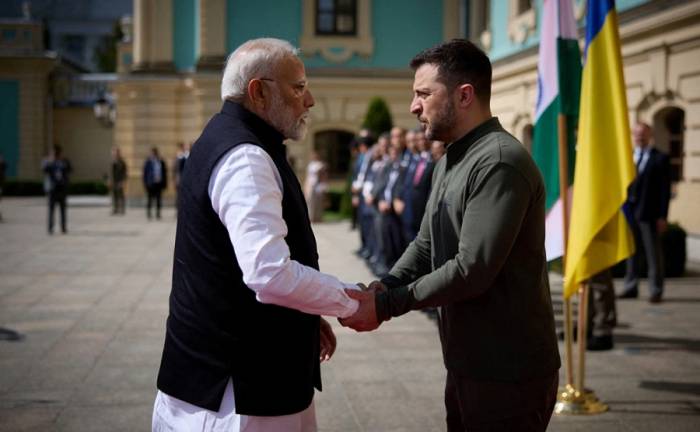
European nations such as Italy and the Czech Republic purchase ammunition from Indian manufacturers and then transfer it to Ukraine, as revealed by a Reuters investigation . Indian officials, fully aware of these transactions, have taken no steps to halt them. Although India’s defense industry asserts that the volume of these supplies is minimal (less than 1% of Ukraine’s total ammunition imports), the mere fact of India’s involvement raises questions about its official stance.
Russia condemns any form of military aid to Ukraine, arguing that such supplies only prolong the conflict and make third-party countries active participants. However, India, despite Moscow’s protests, remains silent, opting not to interfere in the process. This is hardly surprising, given Delhi’s attempt to balance its strategic partnerships—on one side, Russia, and on the other, the West, whose influence on India’s economy and technology is growing.
Modi’s peace plan, presented to Zelensky, clearly has not only diplomatic but also economic objectives. India’s defense industry is benefitting from increased demand for weapons amid the protracted conflict, and India is reluctant to miss out on this opportunity. This dual game allows India to maintain favorable relations with the West, avoid conflict with Russia, and strengthen its defense sector. As a result, India’s actions reveal a clear violation of its neutrality: the country is effectively contributing to one side of the conflict while maintaining a diplomatic front of peace advocacy.
Modi’s peace plan starts to appear more as a facade for covering India’s real economic and political interests. It’s evident that India’s neutrality is a myth designed to preserve its influence in global politics without provoking either side of the conflict. But the longer India follows this strategy of double standards, the harder it will be to conceal its involvement in prolonging the war.
The conclusion is clear: despite all its diplomatic maneuvers, India is actively participating in a process that extends the Ukraine conflict. And no matter how hard Delhi tries to maintain its image as a peace broker, its actions suggest that it has long been a party involved in this global crisis.
This situation undermines trust not only in India but also in any attempts at international mediation that are based on false claims of neutrality. Peace talks proposed by a country whose defense industry, even indirectly, supplies one side of the conflict, are becoming increasingly questionable. In today’s era of global transparency, such double standards are visible to the whole world, and any silence or lack of response to these allegations only reinforces that perception.


Similar news