How сlimate сhange affected Baku ahead of COP29


By Tural Heybatov
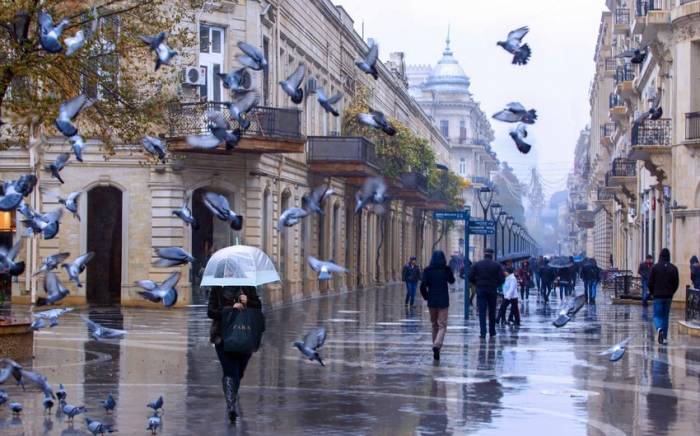
As the famous Russian politician Chernomyrdin once said, "It never happened before, but here we go again." This phrase perfectly describes the situation that unfolded in Baku after heavy rains drenched the city.
The real problem here is not just about the weather forecast; it’s about the city’s lack of preparedness for even moderately heavy rains, let alone natural disasters. It’s scary to think about what could happen during a snowy winter. If a rainstorm can flood the entire city and cause fatalities, then a week of snowstorms could bring Baku to a complete standstill. We’d be left without electricity, gas, or heat, while officials would once again nod their heads, talk about the ozone layer, and lecture us on the importance of ecology. People would listen, grumble, and then go back to their lives—until the next flood.
Officials responsible for public utilities are trying to make excuses, claiming this situation was unprecedented, and therefore, the city was unprepared. But these are just excuses. Heavy rains of this intensity happen several times a year, and even during regular downpours, the city regularly gets flooded. The moment water starts pouring from the sky, Baku’s streets turn into rivers. This isn’t about climate change; it’s about infrastructure. Baku is not a mountain village where rivers overflow their banks due to the whims of nature. It’s a large city with a complex system of underground communications and drainage, built with taxpayer money—our money—but it hasn’t worked properly for a long time, not even within its warranty period.
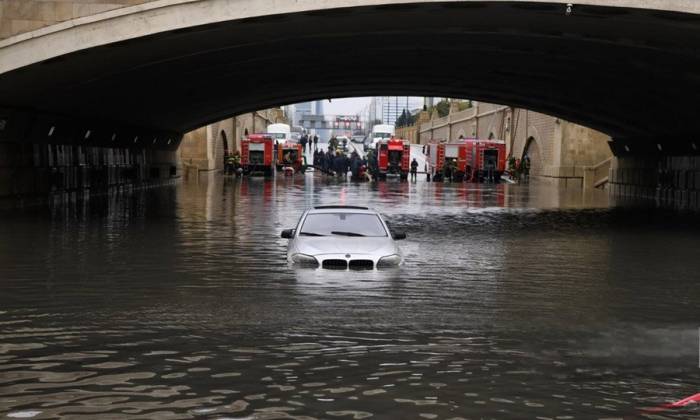
Take, for example, the infamous tunnel in the Sabunchu district, which was opened in May 2020. By September of that same year, it was completely flooded after a heavy rainstorm, as reported by local media. The tunnel was filled to the brim with water. Luckily, no one died, so no real measures were taken—just pumped out the water, and that was it. According to information from social media, the tunnel was supposed to be equipped with pumps, a generator, and a transformer, but given that it was flooded just three months after opening, either the equipment wasn’t there, or it was already out of order.
This time, it was a tragedy that claimed lives. Two people, Elnur Shirinov and Kochari Abbasov, drowned in their car when the water levels rose. They chose to stay in the vehicle, hoping to wait out the storm. But that decision turned out to be fatal. Despite efforts by emergency services to persuade them to leave the car, the men refused. Officials now say, "The rain killed them." But was it really the rain?
By the morning after the storm, the city looked like it had been hit by a tsunami, and this wasn’t the first time. It’s said that in Soviet times, Baku had the best storm drainage system in the country. That’s because there are a lot of underground water sources beneath the Absheron Peninsula. Who remembers how the "Nizami" metro station used to flood all the time? No matter how much they tried to fix it, the underground water would always find a way out, even creating the faint sound of an underground stream. Today, that’s no longer the case—either the underground water has receded, or proper measures have finally been taken.
In the past, storm drainage on Baku’s streets was given serious attention, and the system worked well.
Floods were rare, and to see torrents flowing down the roads, it had to be a really strong and prolonged downpour. Now, even a light rain causes problems. It’s not just the suburbs that get flooded, but the main streets as well. Those who work or study in the city center have probably noticed that the intersection of Lermontov and Sheikh Shamil streets frequently turns into a stream, and crossing the road without getting soaked is practically impossible. This problem has only emerged recently. As Baku residents grimly joke, it seems like yet another road was "fixed" somewhere.
It’s no laughing matter, though. The real issue started after road repairs became more frequent. Roads do need to be repaired, but it should be done smartly. During the tenure of Hajibala Abutalibov, the main streets of the city became smooth and beautiful, but somehow, all the sewer manholes and storm drains disappeared. When this was eventually discovered, workers had to dig up the new asphalt to restore everything, but by then, the system was already clogged or broken. The best storm drainage in the USSR stopped functioning properly.
Today, we are still dealing with the consequences of this incompetence and negligence. However, this does not mean the blame should be shifted solely to previous administrations. The current officials—city hall and other government bodies responsible for the well-being of the capital—are just as guilty. And instead of real solutions, they keep echoing Chernomyrdin: "It never happened before, but here we go again."


Similar news