Global push to abandon oil and gas gains momentum at Colombia summit


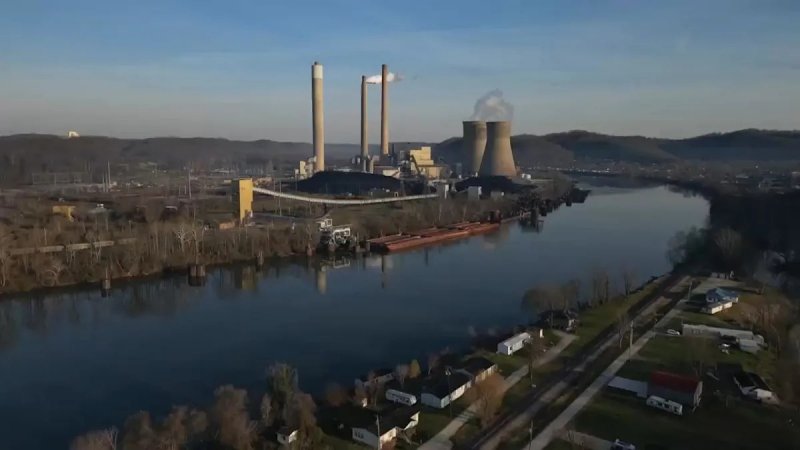
The global debate over the future of oil and gas has entered a decisive phase as dozens of countries convene in Colombia for the first-ever international summit dedicated exclusively to phasing out fossil fuels. Unlike traditional climate forums under the United Nations, this gathering in Santa Marta is openly focused on one politically sensitive issue: how to move beyond oil, gas, and coal.
What distinguishes this summit is not only its agenda, but also the voices shaping it.
At the political level, the host country has taken one of the most radical positions. Colombian officials, including representatives of President Gustavo Petro’s government, have framed the transition not simply as an environmental necessity, but as a matter of sovereignty and security. Acting Environment Minister Irene Vélez Torres openly stated that fossil fuels can no longer guarantee stability, arguing that “energy sovereignty as well as climate survival require moving to other energy sources.”
RECOMMENDED STORIES
This position reflects a broader shift: fossil fuels are increasingly being seen not just as a climate risk, but as a geopolitical vulnerability.
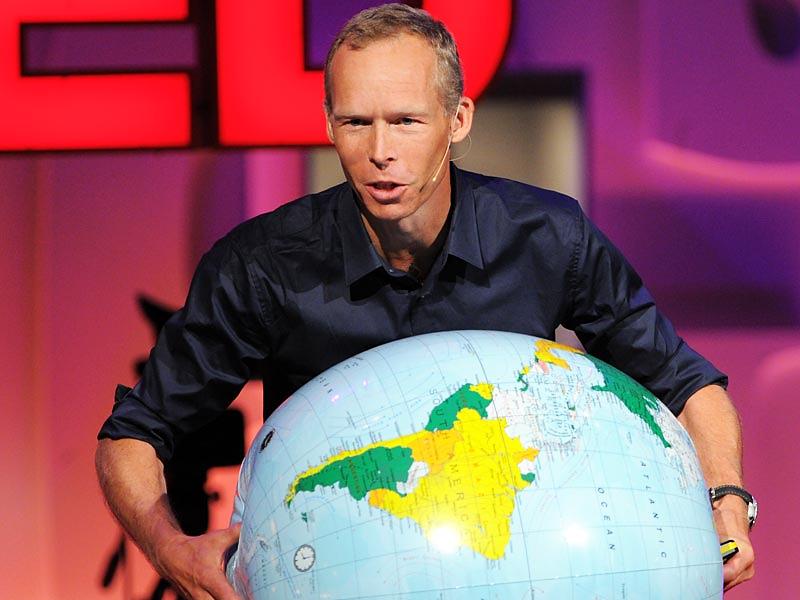
The scientific community at the summit has reinforced this narrative. Leading climate researcher Johan Rockström emphasised that a “critical mass of countries” is already decarbonising, demonstrating that the transition is technically feasible.
Brazilian scientist Carlos Nobre, another key participant, is contributing to a scientific advisory panel aimed at translating climate science into concrete policy decisions.
Together, these voices are pushing the discussion away from abstract targets and towards implementation.
However, perhaps the most striking interventions have come from civil society and Indigenous representatives. At the summit, Indigenous leaders warned that the transition to clean energy must not become a new form of resource exploitation. They argued that both fossil fuel extraction and mining for renewable technologies threaten their lands and livelihoods, calling for a deeper rethink of development models.
This adds a new dimension to the debate: the transition itself is now contested, not just the status quo.
Another major theme dominating the discussions is financing — and here the tone has been notably pragmatic. Experts and policymakers have repeatedly stressed that the biggest obstacle to abandoning oil and gas is not technology, but money. According to participants, many developing countries remain trapped in a system where fossil fuel projects are easier to finance than renewable alternatives.
As one policy expert noted during the summit, countries are not ideologically tied to fossil fuels — they are structurally tied to financing systems that favour them.
This has led to calls for:
- debt relief mechanisms
- international funding platforms
- redistribution of fossil fuel subsidies
The geopolitical context has also shaped the tone of the summit. Ongoing instability in global energy markets, exacerbated by conflicts and supply disruptions, has reinforced arguments for reducing dependence on hydrocarbons. Participants highlighted that volatility in oil and gas markets is no longer an abstract risk, but a daily reality influencing national policies.
At the same time, the absence of major powers, including the United States, China, and India, has been widely noted. While the summit includes around 50 countries representing a significant share of global energy consumption, the lack of the largest emitters underscores the limits of the initiative.
Still, organisers see the gathering as a “coalition of the willing” — a group that can set the direction even without universal participation.
In practical terms, the summit is expected to produce:
- a roadmap for reducing fossil fuel dependence
- proposals for cutting subsidies
- frameworks for economic transition in oil-dependent countries
- discussions on a possible global treaty on fossil fuels
These outcomes may not be legally binding, but they carry significant political weight.
The broader significance of the Colombia summit lies in how it reframes the global energy debate. For decades, international discussions avoided directly addressing the phase-out of fossil fuels. Today, that conversation is no longer taboo — it is central.
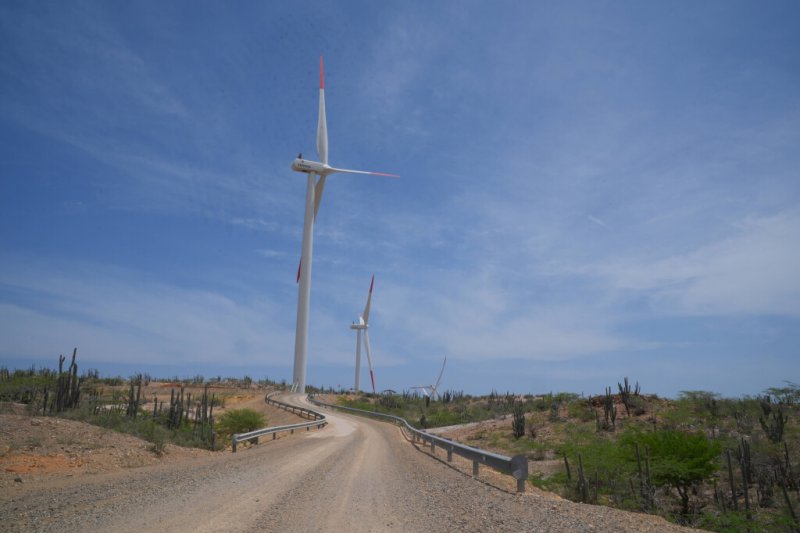
The question is no longer whether the world will move away from oil and gas, but how quickly, under what conditions, and at what cost.
And judging by the tone in Santa Marta, the answer will not be uniform. It will be shaped by competing interests, uneven capabilities, and a rapidly changing geopolitical landscape.


Similar news