How tensions in Iran and Israel affect Azerbaijan


By Tural Taghiyev
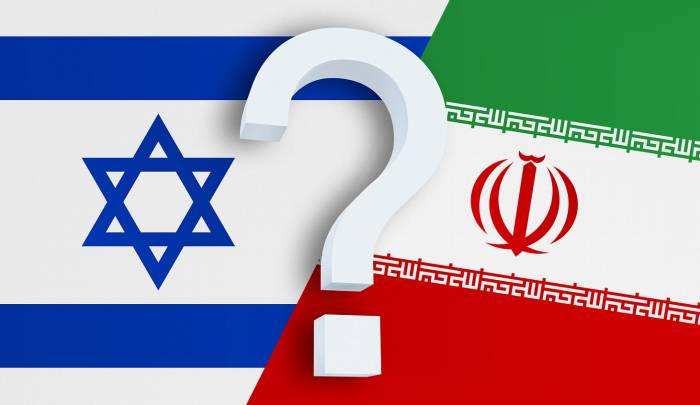
Tensions between Iran and Israel have reached a critical point, with Tehran vowing revenge for the recent events involving Hamas leader Ismail Haniyeh, though no concrete actions have been taken yet. Western media speculate about the potential for renewed escalation in the region.
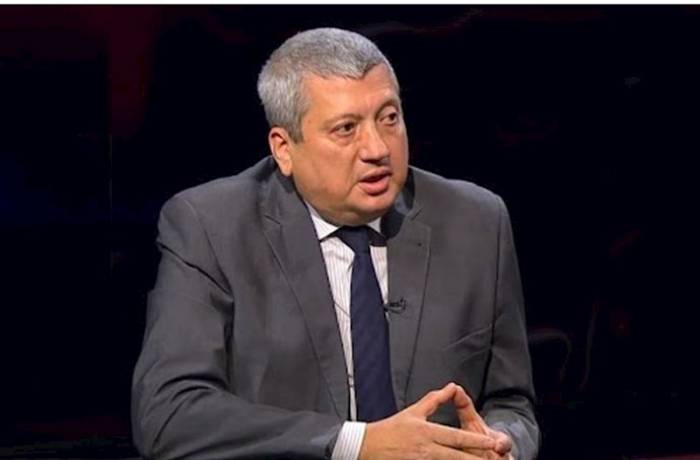
Former Foreign Minister Tofiq Zulfugarov commented that escalation and the commencement of new military operations in the region are anticipated. He noted, "Iran is compelled to respond in some form. However, we also observe significant differences between the U.S. and Israel, with the U.S. preferring to avoid heightened tensions ahead of elections. There are expectations for change in Iran’s domestic policy under the new administration, but war would obstruct these positive developments. Israeli authorities currently favor military action, with many advocating for radical measures to prevent Iran from further consolidation."
Zulfugarov also noted that within the country, there are groups advocating for diplomatic solutions or U.S. intervention to defuse threats, indicating different strategic approaches. He believes Tehran will likely pursue de-escalation while maintaining a facade of retaliation, similar to past periods when Iran's responses were symbolic. "Iran will respond to the Haniyeh incident, but the actions will be more symbolic, as before," he stated. "While some forces push for military operations, others, equally powerful, work to prevent this."
Zulfugarov highlighted the complexity of predicting Russia’s stance: "Russia benefits from regional tensions, as they divert attention from Ukraine. We see that the U.S. and Western countries are focused on Israel and Iran. A second front could relieve pressure on Russia regarding Ukraine," he explained. Strategic interests suggest that conflicts are preferable to be conducted through proxies, aligning with Iran's interests, which prefers clashes to occur in Lebanon or Syria rather than on its territory.
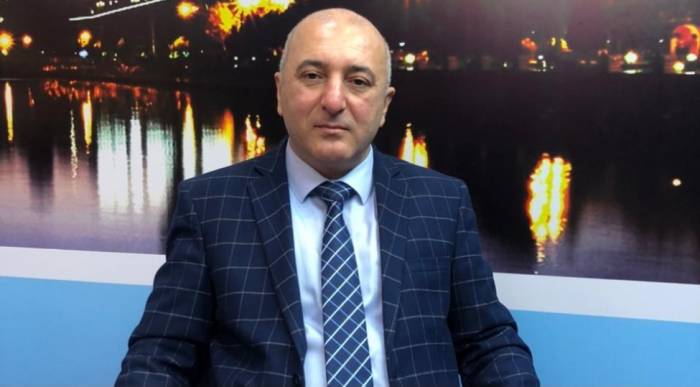
Military expert Adalet Verdiyev considers the likelihood of war with Israel low and predicts limited Iranian strikes on Tel Aviv. "We have seen similar tensions before: Iran usually opts for restrained responses. However, a lack of response could damage Iran’s reputation," he noted. If tensions escalate into a large-scale conflict, it would significantly affect regional countries.
Verdiyev emphasized the need for Azerbaijan to implement security measures near potential conflict zones: "We are already taking precautions," he stated. "Over 35 million ethnic Azerbaijanis live in Iran, and any conflict would affect them. Moreover, many nuclear facilities that could be targeted by Israel are located in Southern Azerbaijan, raising the risk of collateral damage."
The visit of Sergey Shoigu to Azerbaijan is linked to regional developments, according to Verdiyev.
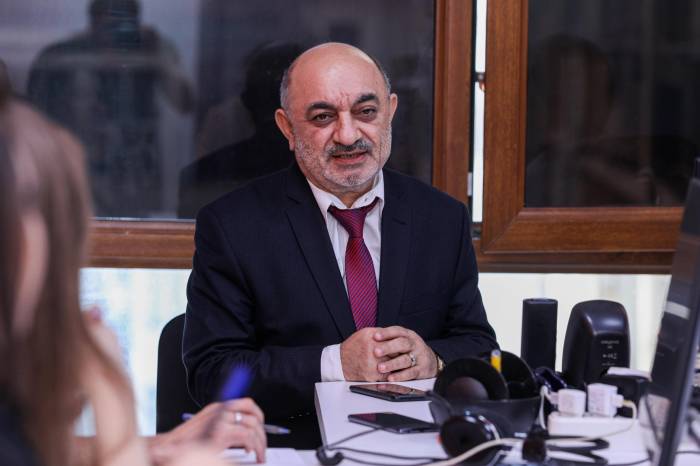
The Director of the Middle East Research Center, political analyst Sadreddin Soltan , sees Shoigu's regional visit as a strategic move amidst deepening military ties between Iran and Russia. "Plans were underway to elevate this cooperation to a strategic level, similar to agreements with Vietnam and North Korea, which consider an attack on these countries as an attack on Russia," Soltan explained. The visit not only concerns military aid to Ukraine but also potential Iranian airstrikes on Israel, with Russia possibly advising patience and restraint.
For Moscow, increased tensions between Iran and Israel would be advantageous, shifting focus from Ukraine. "Shoigu, a seasoned political and military figure, likely supports Iran's stance on Israel," Soltan concluded, "and if the strategic agreement is expedited, Iran could gain extensive military support from Russia."


Similar news