Hüsamettin İnaç: The Peace Council will help shape a new world order - INTERVIEW


The world is entering an era of tectonic change — quiet yet irreversible. The familiar system of international coordinates is beginning to fracture: NATO is losing its former weight, the United Nations increasingly resembles an echo of the 20th century, and on the horizon a new structure of global governance is taking shape — the “Peace Council”, a body that could alter the rules of the game faster than diplomats can rewrite protocols.
The United States is scaling back its external commitments, concentrating more closely on its own continent while simultaneously seeking to construct a manageable network of aligned states stretching from the Middle East to the South Caucasus.
Is this an effort to preserve the West? An admission of strategic exhaustion? Or the emergence of a new model of global balance, one capable of preventing catastrophes rather than multiplying them?
News.Az discussed these questions and more with Hüsamettin İnaç, a Turkish political scientist and professor at Dumlupınar University.
– Mr İnaç, is the establishment of the “Peace Council” an attempt to protect the West, or an acknowledgement that the United States can no longer compete with China without allies?
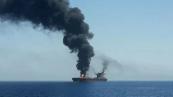
Source: DW
– To begin with, Latin America, including Greenland and the wider Western Hemisphere, is being drawn into a new strategic framework. Once this system is fully operational, the United States is likely to pursue an isolationist course broadly reminiscent of the Monroe Doctrine. Demonstrating undisputed dominance within its own hemisphere, Washington will not allow Russia, China, or the European Union to interfere in the internal dynamics of the region.
Accordingly, in order to draw a clear line of strategic confrontation with China, the United States will be compelled to reinforce its own positions. In this context, the coordinated alignment of Peace Council members with Washington becomes especially significant. In practice, countries that do not share common values, that may even be in contradiction with one another, and that lack a unified ideological platform would nevertheless be directly coordinated by the Trump administration.
– Is this new system an attempt to build a more just world order?

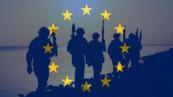
Source: Reuters
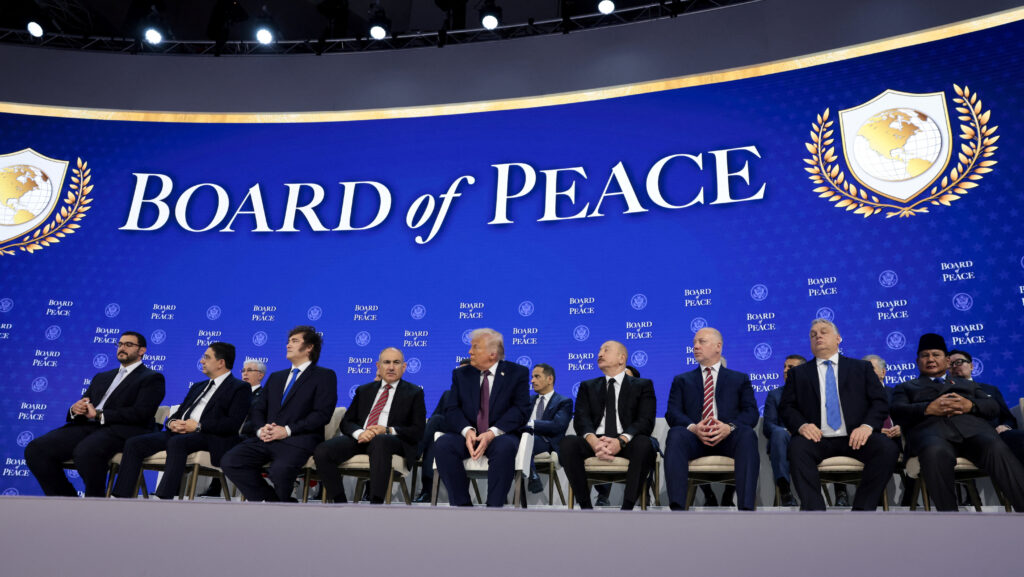
– Consider the composition of this format: it includes a state such as Israel under Netanyahu, known for its aggressive policies, alongside a country such as Türkiye. It is therefore entirely possible that internal alliances will emerge even within the Peace Council itself. In particular, joint coordination may develop among countries such as Pakistan, Saudi Arabia, Türkiye, and Azerbaijan, with Egypt and Jordan potentially joining at a later stage.
At the same time, there is a strong possibility that the European Union will move even closer to China during this period. The United Kingdom, meanwhile, is likely to seek an intermediate position between these two poles.
As a result, the new system may give rise to multiple layers of alliances, inevitably prompting a search for a hierarchical governance model. Just as the UN Security Council consists of five permanent members capable of blocking decisions through veto power, a similar hierarchical structure could emerge within this new format.
For this reason, such a development is entirely plausible. This also explains why European states, as a whole, are strongly opposed to the creation of a new system. Notably, the United Kingdom was the first to refuse participation.
– What explains this opposition?
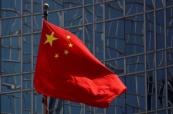
Source: CNN
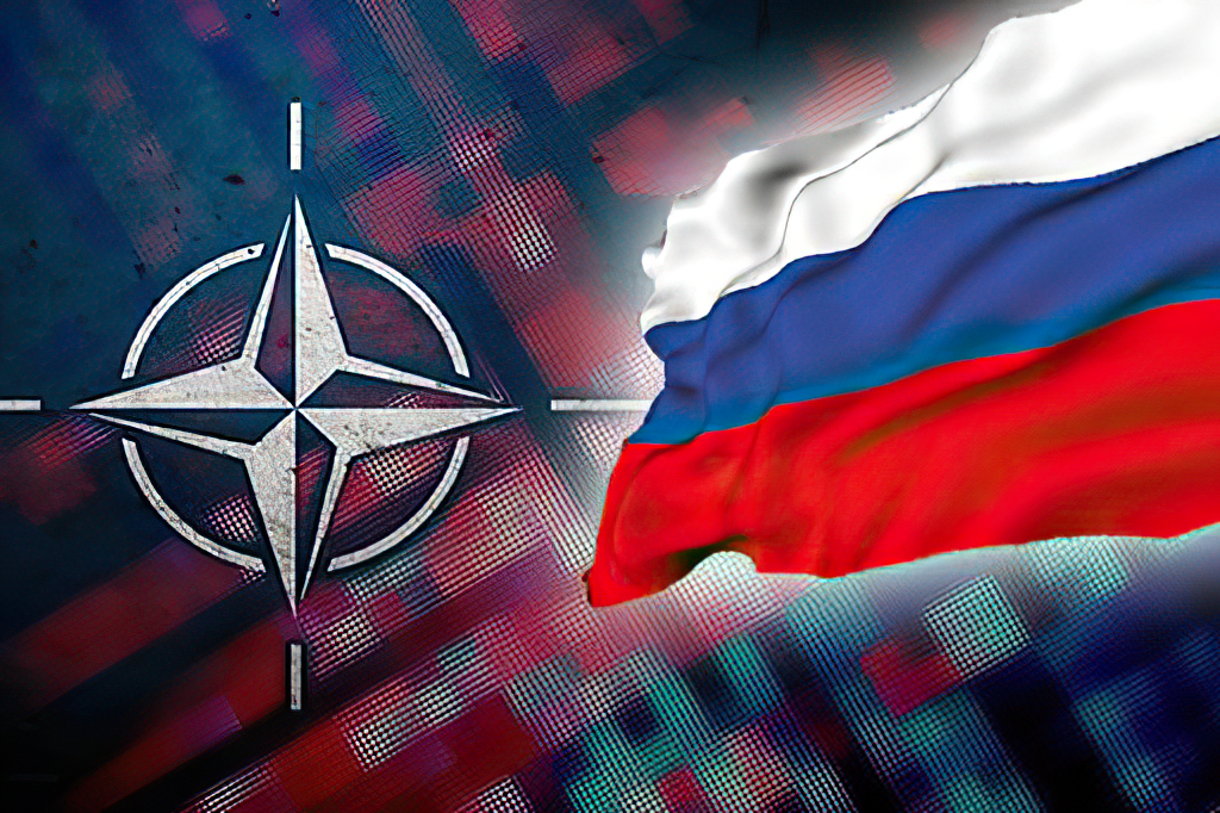
– The core reason is that this model runs counter to Europe’s interests. If implemented, it would allow the United States to shape the architecture of security and defence exclusively in line with its own national priorities. Moreover, the Trump administration views the European Union itself as a potential threat.
Just as Washington restricted trade with China, it is now — under the pretext of the “Russian threat” — preventing Europe from accessing cheap Russian gas and energy resources. As a consequence, within such a system, the European Union would emerge as the principal loser.
At the same time, this dynamic may push Europe towards even closer cooperation with China. Taken together, these trends point to the onset of large-scale global transformations.
– What objectives is the United States pursuing through this process?
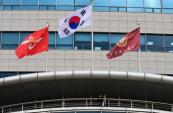
Source: USA Today
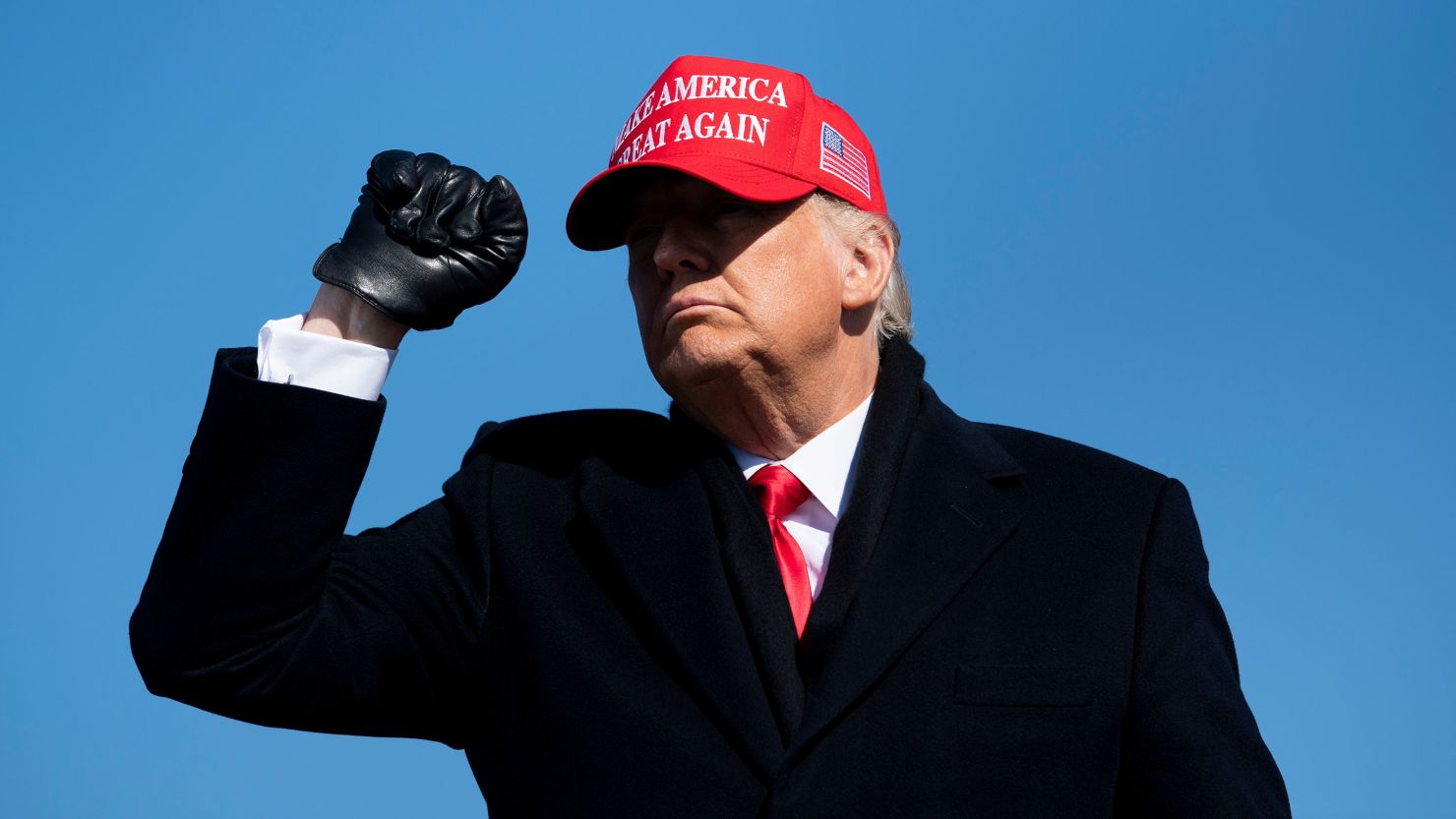
– The primary objective is to withdraw American troops from distant regions, particularly the Middle East, reduce its overseas presence, and concentrate on domestic priorities under the strategy of “Make America Great Again”.
At the same time, while disengaging from these regions, Washington intends to leave behind loyal allies and maintain stability through their coordinated actions — a form of managed balance designed to preserve American comfort. The logic is straightforward: to avoid bearing the costs of conflicts arising in other parts of the world.
In this context, even Russia was invited to participate. President Vladimir Putin stated that if one billion dollars from frozen Russian assets were allocated to support this mechanism, Moscow’s participation could be reconsidered.
Thus, the United States appears to be seeking to include Russia in the new system as well, thereby creating a genuinely powerful and influential structure. Unsurprisingly, the United Nations has reacted extremely negatively to these developments.
After all, the collapse of the 75-year-old transatlantic alliance would imply the collapse of the entire UN-centred system, alongside the marginalisation and isolation of states not aligned with the United States. Consequently, this Council would not be limited to addressing the situation in Gaza, but would become an active instrument for shaping a new world order in line with Donald Trump’s vision.
– Can the “Peace Council” unite countries not through force, but around the prevention of global catastrophes and conflicts?
Source: DW
– It must be acknowledged that the lack of internal cohesion among the invited states presents serious challenges. For this reason, the emergence of hierarchical structures modelled on the United Nations cannot be ruled out — with a division between a general council and a smaller group of states endowed with special authority.
All these developments suggest that the international system established after the Second World War is effectively coming to an end. NATO is losing its functional relevance, the United Nations is increasingly perceived as a relic of the past, and the new 35-member Peace Council may ultimately enter history as a key institution in the formation of a new world order — one shaped primarily in the interests of the United States, but, one hopes, also aimed at preventing global catastrophes and conflicts.


Similar news