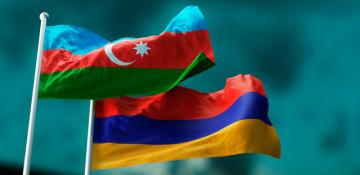
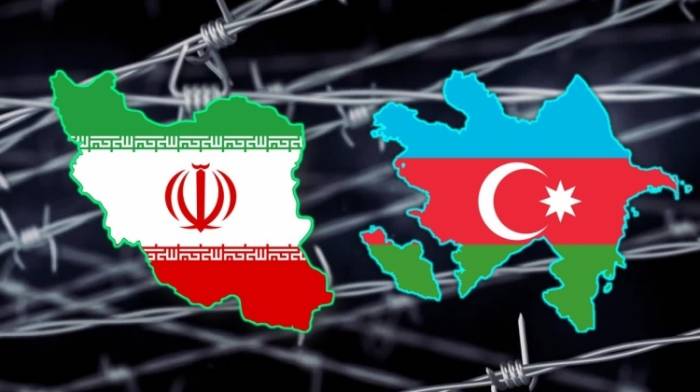
Iran and Azerbaijan: New opportunities or old disagreements?


By Faiq Mahmudov
After the tragic death of former Iranian President Ebrahim Raisi in a plane crash in 2024, Iran promptly organized presidential elections to select a new leader. In a decisive victory, Masoud Pezeshkian emerged as Iran's new president, successfully defeating his hardline conservative opponent, Saeed Jalili. In light of this significant political shift, the analytical and informational portal News.Az has reached out to political experts to gain insight into the implications of this election. Experts are weighing in on a range of pressing issues, including the likely direction of the new president's foreign policy, particularly regarding relations with regional countries such as Azerbaijan. Analysts are also speculating on the nature of Iran's diplomatic engagements under Pezeshkian's leadership, including which nation he might prioritize for his first official state visit.
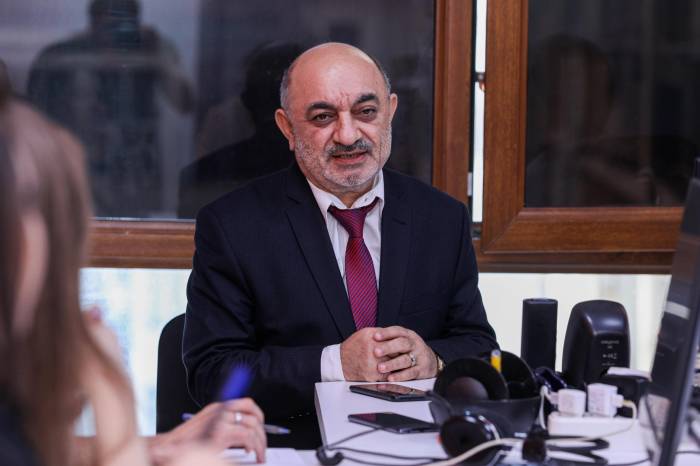
Sadraddin Soltan, head of the Middle East Research Center and a political expert, shared in an interview with News.Az that President Pezeshkian's first official visit to Azerbaijan does not align with the political and ideological stance of the Iranian leadership. He stated, "In my opinion, Iran's new president is more likely to make his first visit to Iraq. This would be more in line with the religious and political ideology of the Islamic Republic of Iran. Iraq is home to the graves of Hazrat Ali, the first Imam of the Shia, and Imam Hussein, a central figure in Shia Islam because of the tragedy of Karbala. Therefore, I believe Masoud Pezeshkian will prioritize paying respects to these significant sites. A visit to Azerbaijan might come later. Right now, however, an initial official visit to Azerbaijan wouldn’t fit with Iran's political-ideological approach."
Soltan also pointed out that while diplomatic relations at the ambassadorial level between Iran and Azerbaijan have been restored, and economic ties are expected to develop, Iran's stance on Azerbaijan, especially concerning the Armenian factor, remains unchanged. He explained, "Iran continues to use Armenia as a strategic tool against Azerbaijan to maintain influence in the South Caucasus region. Furthermore, by ignoring Western activities in Armenia, particularly from the U.S., Iran is contradicting its own regional policies and foreign policy rhetoric. Tehran loudly opposes the U.S. and Israel, labeling them as enemies, yet doesn't strongly oppose Armenia's growing ties with the West, including France and the U.S. This double standard shows a level of hypocrisy in Iran's policies, which also affects its relations with Azerbaijan."
He further elaborated that the relationship between Iran and Azerbaijan will never be on the same level as Azerbaijan's relationships with other regional countries, like the Central Asian republics, Turkey, Saudi Arabia, or Pakistan. "The Iranian leadership does not hold a favorable view of the Republic of Azerbaijan. They aim to establish a governance style in Azerbaijan that serves their interests. There are factions in Iran that wish to alter Azerbaijan's statehood and political structure—an attitude that does not exist in Pakistan, Turkey, Arab countries, or Saudi Arabia but is evident in Iran. This underscores Iran's persistent and deceitful approach towards Azerbaijan."
Soltan emphasized that while Iran publicly presents itself as a friendly nation with historic ties to Azerbaijan, in reality, it supports and prepares various groups against Azerbaijan, intending to use them when the opportunity arises. "These groups are linked to the Islamic Revolutionary Guard Corps (IRGC) and its Quds Force, similar to groups found in Iraq and Syria. Preparations against Azerbaijan are also being made within Iran. Sometimes, external observers may interpret official visits or statements as signs of improving relations between Baku and Tehran, but the relationship will never achieve the level of brotherhood and sincerity seen between Tehran and Yerevan. This is due to the dominant Pan-Iranism ideology in Iran, which prevents a favorable view of Azerbaijan, Turkey, or other Turkic republics. Pan-Iranism has its roots in historical figures like Ferdowsi and was politically implemented by Reza Shah Pahlavi, reflecting a Persian-centric and chauvinistic mindset. Thus, any positive messages between Azerbaijan and Iran do not represent the true nature of their relationship."
Addressing the issue of language pressure on Azerbaijanis living in Iran, Soltan noted that despite over 30 million Azerbaijani Turks residing in Iran, Persian chauvinism and Pan-Iranism deny their national culture and identity, prohibiting them from speaking their language freely while promoting an Azerbaijani language filled with Persian words. "For Azerbaijan, one of its foreign policy priorities is to ensure that its compatriots in South Azerbaijan can receive education in their native language, Azerbaijani Turkish. However, Persian chauvinism hinders this effort. Additionally, Iran continues to cultivate forces hostile to Azerbaijan, including forming a fifth column within Azerbaijani territory. Given these realities, stable or enduring Azerbaijan-Iran relations are not possible. A stable neighborhood and consistent foreign policy are unattainable when Azerbaijan, based on human rights principles, demands the right to education in the Azerbaijani language, while Tehran aims for regime change and an alteration of Azerbaijan's governance system. Under such circumstances, believing in the sincerity and durability of relations is naive."
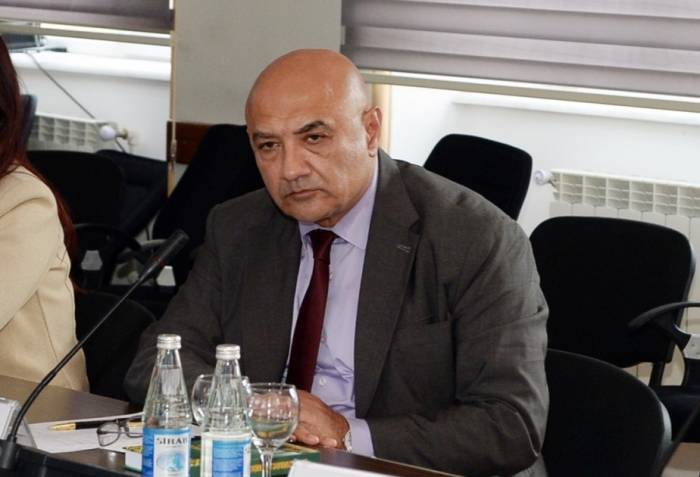
Political analyst Tofig Abbasov shared with News.Az that the question of whether Iranian President Masoud Pezeshkian will choose Azerbaijan for his first visit is closely tied to his broader foreign policy strategy. Abbasov explained, "His newly appointed Foreign Minister, Abbas Araghchi, has already extended positive overtures to Japan, signaling Iran’s readiness to reset relations with Japan and indicating a high level of trust. Given that Araghchi served as Iran’s Ambassador to Japan until 2014, this move reflects current geopolitical realities. I believe Pezeshkian might prioritize regional countries. Whether Azerbaijan will be his first stop is hard to predict; it depends on both the regional situation and Iran’s foreign policy direction. Iran is currently in a tense environment. Although it has secured some influence in the region, it faces major challenges. I don’t think his first visit will be to Azerbaijan, but even if it’s not the first, the Iranian president will eventually visit Azerbaijan.”
Abbasov also noted that Azerbaijan’s relationship with Iran is progressing in a more stable direction, though some issues remain. "There are still points of contention and misunderstandings, including the Armenian factor. Armenia and Armenians worldwide, including those in Iran, aim to disrupt Azerbaijan-Iran relations and are systematically working toward this goal. Right now, they are especially active, spreading claims that Azerbaijan has carried out ethnic cleansing against Armenians who voluntarily left Karabakh. They are trying to paint Azerbaijan as a villain, but these attempts are failing because, in the eyes of most Iranians, Azerbaijan has never been seen as an enemy. Sure, there have been tense moments between us, such as the attack on our embassy and the killing of one of our citizens, which was an irrational act. They claim it was a provocation by a third party. Nonetheless, we hope that our relations will continue to improve. Because of incidents like these, trust between the two countries has been somewhat eroded.”
Mr. Abbasov emphasized that diplomatic efforts have been made to resolve existing conflicts and misunderstandings. "This is what diplomacy is all about. I believe that the skills and flexibility of both Azerbaijani and Iranian diplomats have played a key role here. The late President Raisi’s visit to Azerbaijan, the opening of two water junctions on the border, and other steps have helped to normalize relations to some extent. It has become clear that working together on joint projects is more beneficial than keeping our distance. In this regard, I think Baku and Tehran are starting to see eye to eye. We should turn the page on past misunderstandings, start fresh, and not only benefit ourselves but also contribute to regional stability and security.”


Similar news