Iran prepares its nuclear trump card


.jpg)
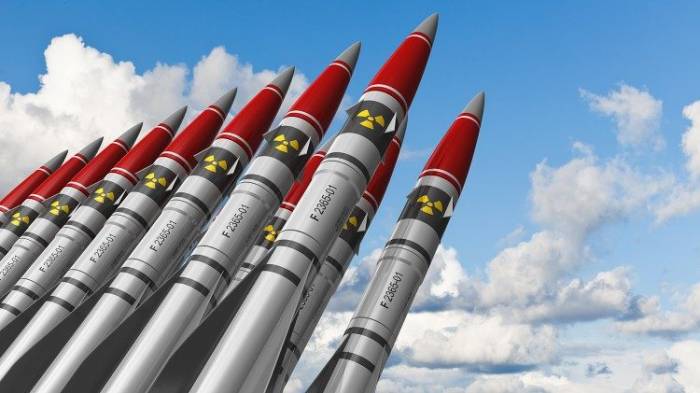
In recent years, Iran’s nuclear program has remained one of the most discussed topics on the international stage. The growing tensions in the Middle East, political disagreements, and escalating security concerns demand the close attention of the global community. Following the U.S. withdrawal from the Joint Comprehensive Plan of Action in 2018 and the reimposition of sanctions, Iran has resumed the active development of its nuclear technologies. This has raised serious concerns among regional powers such as Israel and Saudi Arabia, increasing the risk of new military confrontations.
Iran's nuclear program has long been shrouded in controversy. While Tehran insists its nuclear efforts are strictly for peaceful purposes—focused on energy production and medical advancements—the rapid acceleration of its uranium enrichment capabilities has sparked widespread skepticism. Many international observers question the transparency of Iran’s intentions, particularly given the military potential of enriched uranium.The 2015 Joint Comprehensive Plan of Action (JCPOA) represented a significant diplomatic victory, creating a framework to curb Iran’s nuclear activities in exchange for sanctions relief. However, the United States' unilateral withdrawal from the agreement in 2018, followed by the reimposition of severe economic sanctions, escalated tensions. In response, Iran resumed and intensified its enrichment activities, further complicating an already fragile situation.
Iranian Vice President for Strategic Affairs, Mohammad Javad Zarif, described the U.S. withdrawal as a ‘lose-lose situation.’ “It was the miscalculation of the Trump administration that withdrew from the nuclear deal. It has been a lose-lose situation,” he remarked, underlining the geopolitical consequences of the U.S. decision.
In September 2024, Ambassador Laura S.H. Holgate, Head of the U.S. Mission to the IAEA, issued a stark warning regarding Iran’s nuclear activities. “Iran continues to move in the wrong direction, expanding its nuclear program, installing advanced centrifuge cascades, and producing highly enriched uranium for which it has no credible peaceful purpose,” she said. Her remarks underscored the growing international concern about Tehran’s intentions.
Adding to the tension, on October 9, Iranian lawmaker Alaeddin Boroujerdi announced that Iranian authorities are considering withdrawing from the Treaty on the Non-Proliferation of Nuclear Weapons (NPT), citing increasing threats from Israel. This potential exit from the NPT would further isolate Iran and escalate fears of a nuclear arms race in the Middle East.
Moreover, a group of 39 Iranian parliamentarians recently submitted a formal request to the Supreme National Security Council, urging a review of Iran’s defense doctrine to allow the development of nuclear weapons. This marks a significant shift in Iran’s stance, raising alarms in neighboring countries and beyond.
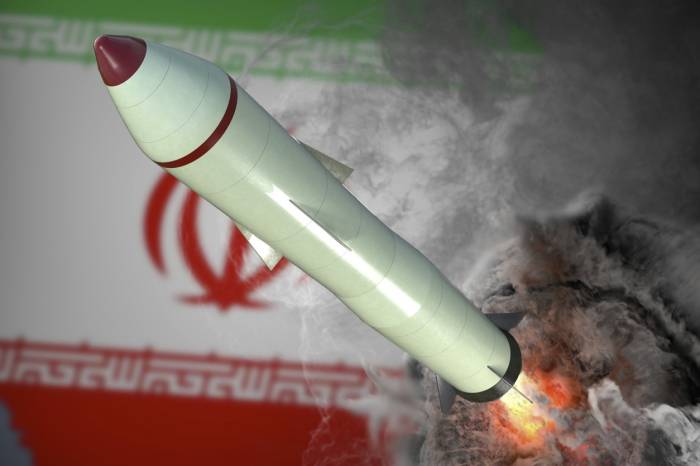
Amidst these developments, a senior Iranian official warned the Persian Gulf Arab states against allowing their airspace or military bases to be used for any potential strikes on Iran. Tehran made it clear that such actions would be considered direct involvement in hostilities, and Iran would retaliate accordingly. This warning comes as Israeli retaliation for a recent Iranian missile attack looms on the horizon.
Iran's Foreign Minister, Abbas Araqchi, has been actively visiting Gulf states, including Saudi Arabia and Qatar, to discuss the situation. Gulf states have been attempting to reassure Iran of their neutrality in the event of a conflict between Tehran and Israel, though such reassurances may not be enough to prevent an escalation.
For countries like Israel, Saudi Arabia, and the Gulf states, the notion of a nuclear-armed Iran presents an existential threat. Israel, already facing tensions with Hezbollah and Hamas, views Iran as its most dangerous adversary. The potential for a nuclear arms race could lead to further military posturing, increasing the risk of clashes in an already volatile region.
Iran's influence in Iraq, Syria, Lebanon, and Yemen also complicates the regional security landscape. Through its support for proxy groups, Tehran has extended its strategic reach, creating alliances that could benefit from nuclear capabilities. This network of alliances not only destabilizes the immediate region but also threatens international maritime routes and energy supplies critical to the global economy.
In conclusion, while diplomatic efforts to curb Iran's nuclear ambitions are essential, they must be accompanied by a comprehensive regional strategy that addresses the underlying issues fueling Tehran's actions. Economic sanctions and isolation alone have proven ineffective in changing Iran's nuclear trajectory. A long-term solution may lie in fostering economic opportunities, promoting regional stability, and encouraging constructive engagement to shift the balance away from militarization and toward peaceful resolution.
(If you possess specialized knowledge and wish to contribute, please reach out to us at opinions@news.az).


Similar news