Israel revisits its defense policy: Lessons and insights from the Hamas attack


Editor's note: Prof. Zeev Khanin teaches at the Department of Political Studies and heads Post-Soviet Conflicts Research Program at the BESA Center for Strategic Studies, Bar-Ilan University. The article expresses the personal opinion of the author and may not coincide with the view of News.Az.
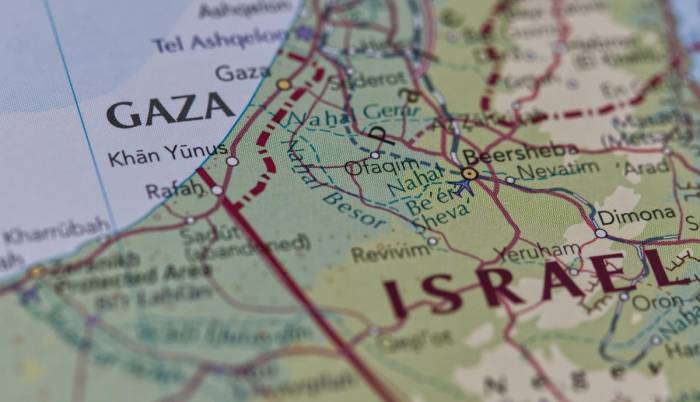
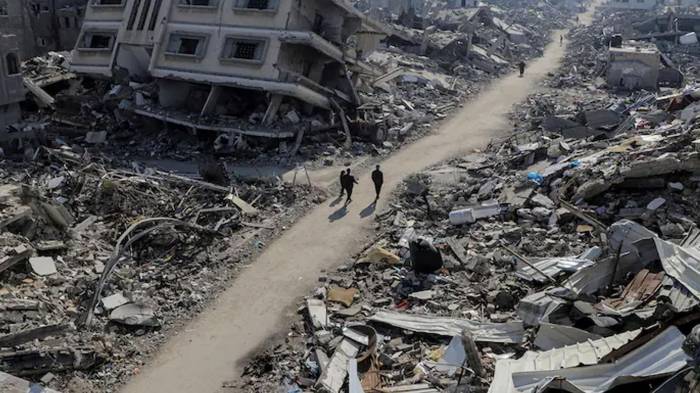
October 7, 2023, marked a turning point in Israel's security strategy. This day saw one of the most tragic and significant attacks on the country in recent decades, reshaping the nation’s security perceptions and becoming a pivotal moment in Israel's policy toward Gaza and other regional threats. How does Israel assess Hamas' actions, and what lessons can be drawn from this attack to further strengthen the country’s defense capabilities?
First and foremost, it seems that the key lesson is that political leadership for years shifted responsibility onto the military, even though politicians are ultimately accountable, especially those who have led the government for extended periods. The prevailing approach was that as long as Hamas did not cross certain "red lines," Israel would respond with restraint, aiming to restore deterrence. However, in practice, Israel recognized Hamas’ de facto sovereignty over Gaza. Furthermore, Israel made compromises, such as providing resources, allowing money to be transported in suitcases, and permitting the import of consumer goods, food, electricity, water, and medicines. Hamas militants were even treated in Israeli hospitals, and work permits were granted to Gazans to work within Israel.
Adding to this, there was even talk of unfreezing the gas fields off Gaza’s coast, in the hope that Hamas would normalize and maintain peaceful coexistence with Israel for an extended period. However, it has now become clear that such a strategy is flawed. Unlike relatively stable Arab regimes, these approaches are not applicable to terrorist groups.
The second key takeaway is that the concept of a “small and smart” army no longer works. It has become evident that the Israel Defense Forces (IDF) needs a substantial reserve force, and the entire population should contribute. Exempting whole segments of the population from service, whether military, civil, or support units, is unacceptable. This is a serious social issue that needs to be addressed immediately.
However, the idea of a “small and smart” army does not mean reverting to a “large and inefficient” one. The goal is a middle ground—an army that is both large and smart. In fact, there are reasons to believe this approach is already proving effective in the north, where successful operations against Hezbollah are being carried out.
Lastly, Israel’s national security strategy must be updated. As far as I recall, the last comprehensive review took place in the 1990s, with some updates in the mid-2000s after the Al-Aqsa Intifada. Now, beyond the basic military tasks and needs of the armed forces, there should be a focus on creating new military branches, such as missile forces, as proposed by Lieberman. While this idea was previously dismissed, it is now becoming increasingly relevant.
Additionally, there needs to be a renewed focus on restoring what is known as "Hosen Leumi"—national resilience. This includes collective solidarity, strengthening the home front, and other critical aspects. Special attention should be given to developing Israel’s defense industry, bolstering border settlements both in terms of infrastructure and security, and enhancing the training and arming of self-defense units (Kitat Konenut) for rapid response.
All these initiatives will require a significant overhaul of public and social policies. There’s a lot of work ahead, and these issues need to be tackled urgently.
(If you possess specialized knowledge and wish to contribute, please reach out to us at opinions@news.az).


Similar news