Merz’s challenge: Can Germany’s new leader rebuild a fractured coalition?


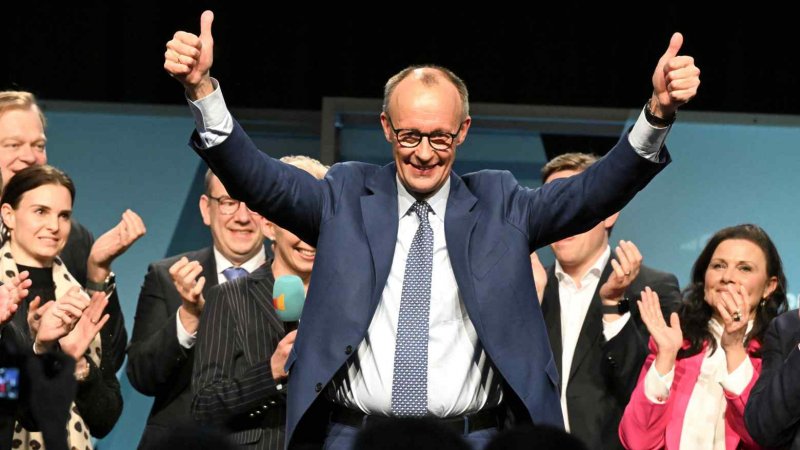
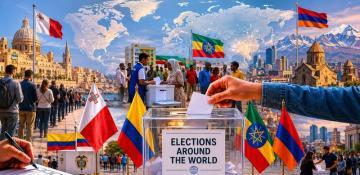
In a widely anticipated outcome, Germany’s center-right CDU/CSU bloc, led by Friedrich Merz, secured victory in the early Bundestag elections. The far-right Alternative for Germany (AfD) achieved an unprecedented second-place finish, while the ruling Social Democratic Party (SPD) of Chancellor Olaf Scholz suffered a historic defeat, coming in third with its worst-ever electoral result.
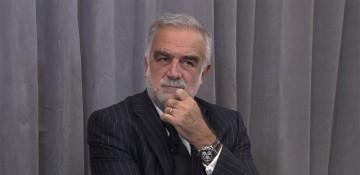
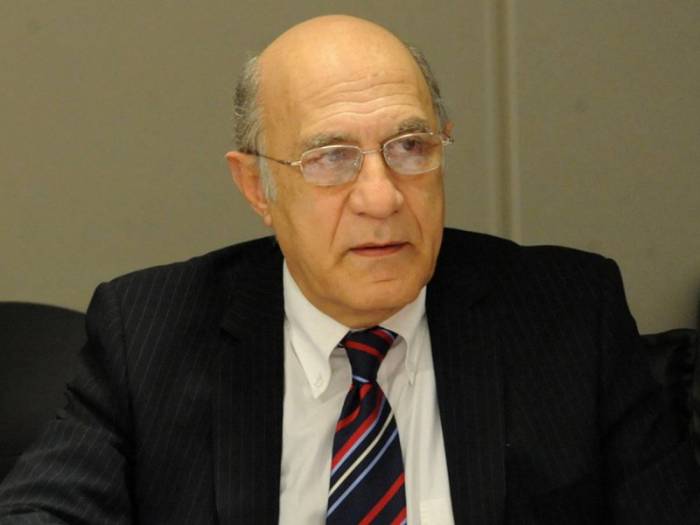 Fikret Sadikhov, a professor at Western Caspian University and political analyst
Fikret Sadikhov, a professor at Western Caspian University and political analyst, told News.Az that the election results reflected deepening political shifts in Germany. “As expected, the CDU/CSU, under the leadership of Friedrich Merz, emerged as the winner. Meanwhile, the AfD secured its best result in history, underscoring growing voter discontent,” he noted. According to Sadikhov, the SPD’s abysmal performance reflects widespread dissatisfaction with the party’s governance, particularly on economic and security issues.
The central question now is the formation of a governing coalition. As the leader of the winning party, Merz is the strongest candidate for Chancellor. However, he faces a significant challenge in coalition-building. “Merz has categorically ruled out a coalition with the AfD, as have all mainstream parties, due to its right-wing populist stance,” Sadikhov explained. Instead, preliminary results suggest that a CDU/CSU-led coalition could be formed with the SPD and the Greens, potentially replicating previous centrist governance models.
Economic stagnation, migration, and security dominated the electoral debate. The collapse of Scholz’s coalition was largely attributed to its failure to navigate Germany’s economic slowdown. The country, Europe’s largest economy, has not recorded growth for two consecutive years, raising concerns over its long-term economic trajectory.
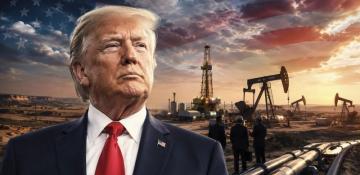
Germany also finds itself at a crossroads in its foreign policy. With Donald Trump returning to the White House, the United States is shifting more security responsibilities onto its European allies. “Washington is making it clear that Europe must take charge of its own security. The Biden-era transatlantic consensus is weakening, and Germany will have to navigate a new geopolitical reality,” Sadikhov noted. He further highlighted that Trump’s foreign policy approach, including his skepticism towards NATO and refusal to engage Europe in Russia-related negotiations, presents strategic challenges for Berlin’s new leadership.
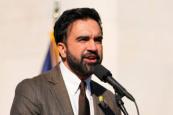
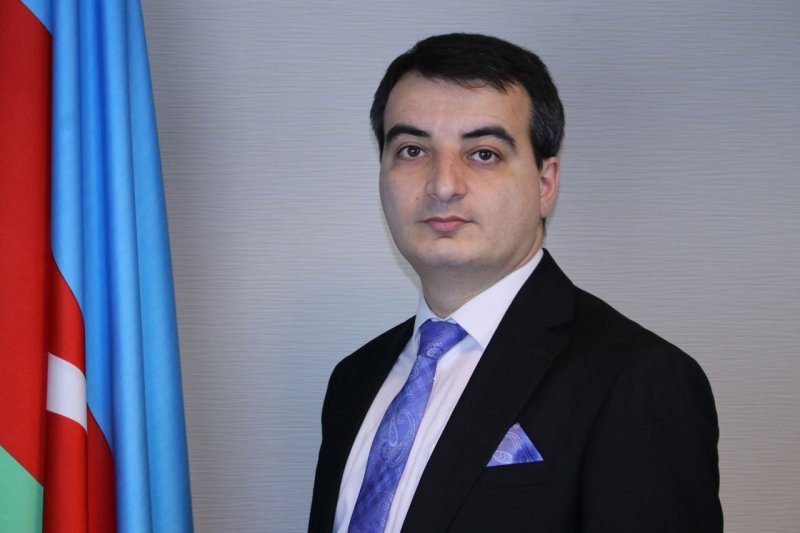 Ilyas Huseynov, a senior researcher at the Social Research Center
In turn, Ilyas Huseynov, a senior researcher at the Social Research Center, echoed these concerns, describing the election outcome as a pivotal moment for Germany and the European Union. “The CDU/CSU victory signals a potential return to traditional German conservatism. We may see a revival of Merkel-era policies, which focused on economic stability, pragmatic diplomacy, and democratic Christianity,” he stated.
Huseynov also pointed to the broader ideological shifts taking place across Europe. The rise of right-wing forces within the European Parliament, coupled with deepening Franco-German tensions, is reshaping the EU’s political framework. French President Emmanuel Macron’s calls for greater European strategic autonomy have further exposed the growing divide between the continent’s leadership and Washington.
“The war in Ukraine, Germany’s strained migration policies, and economic instability have fueled domestic frustration. Meanwhile, increasing divergences within NATO and the EU pose external challenges,” Huseynov explained. “Germany, as Europe’s largest economy, will need to recalibrate both its domestic and foreign policies to restore its influence.”
As Friedrich Merz moves to consolidate power and build a governing coalition, the new government will face formidable tests—from economic revival to geopolitical repositioning. Whether Berlin can navigate these complexities effectively will shape not only Germany’s trajectory but also the broader European order in the years ahead.


Similar news