Referendum on nuclear power plant in Kazakhstan: Challenges and prospects


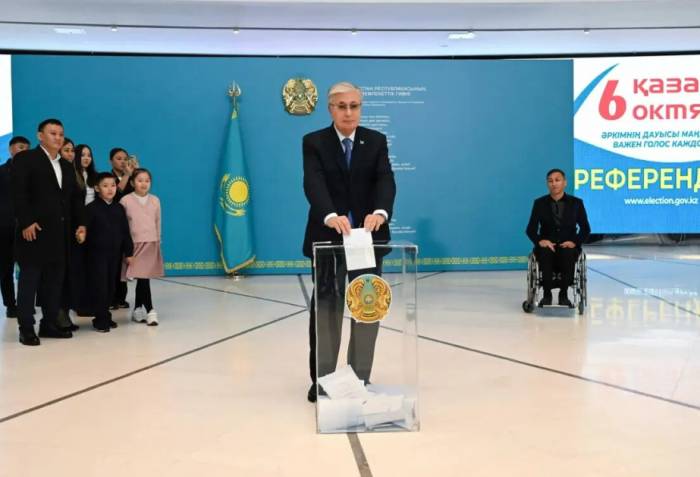
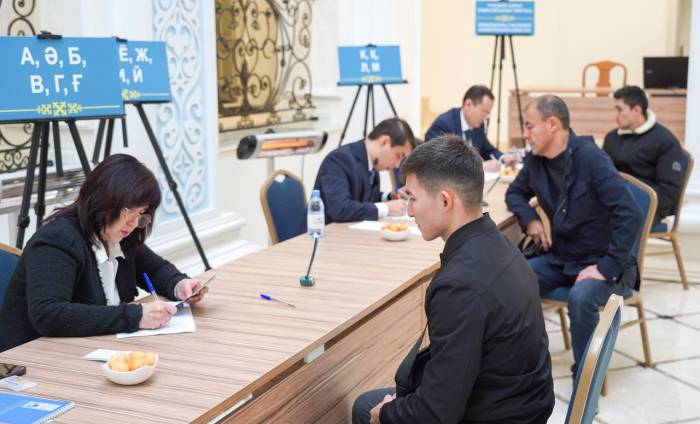
On October 6, 2024, Kazakhstan held a referendum on the construction of a nuclear power plant (NPP), with voter turnout exceeding 50%, making the referendum valid according to the constitutional law.
More than 6 million citizens participated in the vote, reflecting the importance of this issue to Kazakh society. The referendum marks a significant step in discussing the country’s energy strategy, which faces several challenges but also opens new opportunities.The referendum on the construction of a nuclear power plant in Kazakhstan was held in response to growing electricity needs and the threat of energy shortages in certain regions. Authorities emphasize the significant electricity deficit in the southern regions of Kazakhstan. The construction of the NPP on the shores of Lake Balkhash, the second largest non-drying saltwater lake in the world, is viewed as a long-term solution to this issue.
The energy crisis, which many countries, including Kazakhstan, are currently facing, stems from increasing electricity consumption and the limited capacity of existing power plants. Building a nuclear power plant would allow the country to reduce its dependence on electricity imports, thereby strengthening national energy security and creating potential for future energy export growth.
Nuclear energy has always sparked debates about its safety and economic efficiency. Some of the key advantages that the government of Kazakhstan sees in building the NPP include reducing the energy deficit, especially in the southern regions like the Almaty region and areas surrounding Lake Balkhash, providing a stable energy source. Additionally, nuclear energy is seen as an environmentally friendly solution due to its low carbon emissions compared to other energy sources, aligning with global efforts to combat climate change.
However, there are also risks that concern the public. The safety of nuclear power remains a key issue, with memories of accidents like Chernobyl and Fukushima still fresh in the public mind. Many question whether the country is prepared for potential emergencies and how the safety of the facility will be ensured. Moreover, the economic burden of building an NPP is significant, with an estimated cost of $10–12 billion. The project will require substantial investments from both the government and international partners.
A crucial aspect of the referendum is the selection of the contractor for the construction of the NPP. Kazakhstan is considering four options, including the Russian nuclear giant "Rosatom." President Kassym-Jomart Tokayev has emphasized that the NPP should be built by an international consortium, highlighting the importance of bringing in foreign companies with the necessary expertise and technology. Involving an international consortium would also ensure that global safety standards are adhered to and help attract international investment, strengthening Kazakhstan’s ties with global energy players.
The turnout, which was particularly high in the Turkestan region (67.38%), indicates that the issue of nuclear power is of wide public interest. However, the lower turnout in Almaty (16.91%) suggests that public opinion in major cities may be more divided. This highlights the need for further public discussion about the project, especially in terms of the environmental and social impacts of constructing an NPP. Former President Nursultan Nazarbayev also participated in the vote, signaling that the issue of NPP construction is of concern not only to the current government but also to broader society and the political elite.
The construction of an NPP by 2035 would be a key milestone in Kazakhstan’s energy strategy. However, there are serious challenges ahead. The country must secure the necessary financial resources, establish cooperation with international partners, and ensure stable funding throughout the project. The selection of the right contractor will be critical to guaranteeing the safe and efficient operation of the NPP. Involving an international consortium could mitigate many of these challenges, but final agreements will require further negotiations.
Ensuring the protection of the environment and the interests of local populations will be another crucial step. The construction of the NPP near Lake Balkhash must comply with strict environmental standards and measures to safeguard local ecosystems.
The referendum on the construction of the NPP is a significant move toward energy independence and sustainable development for Kazakhstan. While questions of safety, financial viability, and international cooperation remain central to the debate, with a well-thought-out approach, the NPP could become a key component of Kazakhstan’s new energy strategy, aimed at meeting domestic needs and strengthening the country’s international standing.
(If you possess specialized knowledge and wish to contribute, please reach out to us at opinions@news.az).


Similar news