Kazakhstan on the eve of the referendum: Nuclear energy or a geopolitical trap?


Editor’s note: Kazakh political scientist, and professor of the Department of Media Communication and History of Kazakhstan at MUIT JSC Saken Mukan. The article expresses the personal opinion of the author and may not coincide with the view of News.Az.
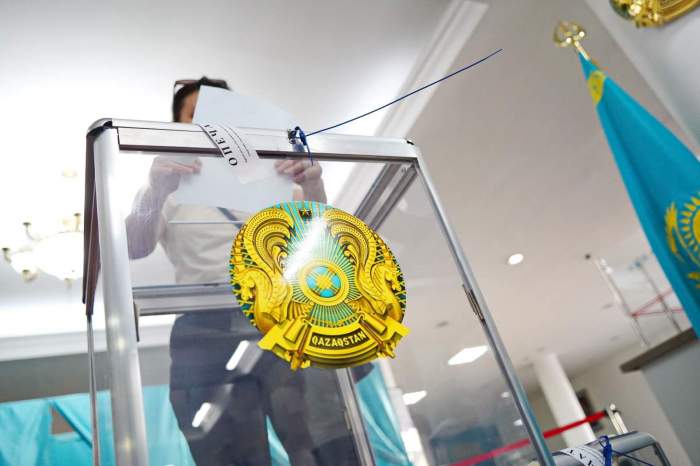
On October 6, 2024, the people of Kazakhstan face a critical decision—a referendum on the construction of a nuclear power plant (NPP) at Lake Balkhash, near the village of Ulken. Authorities argue this is a strategic step towards ensuring the country’s energy security, promising cheap and environmentally friendly electricity. However, behind these reassuring claims lie numerous concerns: environmental risks, international sanctions, and the potential dependence on neighboring countries. These are not mere fears.The government of Kazakhstan claims that the launch of the NPP will enable the country to shift to more environmentally sustainable energy. In a world where global warming and reducing carbon footprints have become central issues, nuclear energy seems like a logical choice. Unlike coal-fired power plants, nuclear plants do not emit CO₂. Furthermore, the authorities argue that this will help keep electricity tariffs low. This sounds appealing to the average consumer, likely tired of the constant rise in utility bills.
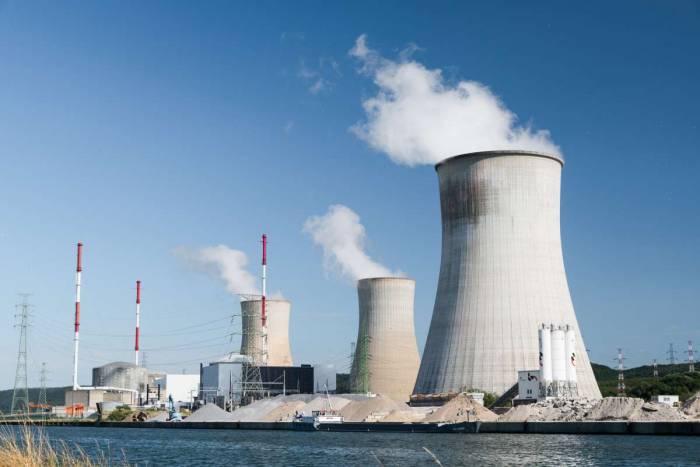
However, beneath this promise of economic benefit are significant risks that may soon become a reality.
Nuclear energy can indeed be "clean," but only until an accident occurs. Balkhash, one of the largest lakes in Central Asia, is a vital source of fresh water for millions of people and a crucial part of the region’s ecosystem. The construction of a nuclear plant on its shores raises numerous concerns, from the risk of radiation leaks to the challenge of managing nuclear waste. Who will take responsibility in the event of a disaster? In light of global incidents like Chernobyl and Fukushima, the claim of “clean” nuclear energy seems questionable, at best.
Another significant argument against the project is the involvement of the Russian state corporation Rosatom . In May 2024, the U.S. Congress approved sanctions against the company, effectively blocking access to Western technology. This leaves Kazakhstan potentially isolated, forced to rely solely on Russia for technological support.
Sanctions against Rosatom prompt important questions: How wise is it to partner with a company that could face even stricter international isolation in the future? Moreover, in the event of escalating international tensions, Moscow could use the project as a geopolitical tool to exert pressure on Kazakhstan. Today, Kazakhstan’s energy independence appears to be under threat, as experts warn that control over the NPP might ultimately rest in the Kremlin’s hands.
Kazakhstan’s Central Election Commission claims to be ready t o hold a referendum in October , promising transparency and equal opportunity for all sides. However, activists opposing the construction of the NPP are already facing obstacles. In Astana, hours before a planned press conference by opponents of the project, a venue landlord canceled their reservation, citing “higher-up” phone calls. This incident is only the latest in a series of attempts to suppress public discussion. During previous public hearings, microphones were turned off, and activists were barred from entering the venue.
This raises the question: if the construction of the NPP is so beneficial for the country, why are the authorities so afraid of open debate? Many suspect that the results of the referendum have already been predetermined and that the vote is merely a formality to legitimize a decision made outside Kazakhstan.
The construction of a nuclear power plant on Lake Balkhash is not merely a technological choice—it is a geopolitical move that could make Kazakhstan a pawn on the international chessboard. Will the NPP provide clean and cheap energy? Perhaps. But the cost of this energy could prove far too high: environmental risks, a loss of sovereignty, and the threat of entanglement in international sanctions wars.
The people of Kazakhstan will have to make a choice that will affect their country for decades. The real question is whether they will be given the chance to make that choice freely and fully informed.
(If you possess specialized knowledge and wish to contribute, please reach out to us at opinions@news.az).


Similar news