Russia–Ukraine war: Key developments over the past 24 hours



Fighting along the eastern front intensified sharply over the past day, with the city of Pokrovsk remaining the most critical battleground, News.az reports.
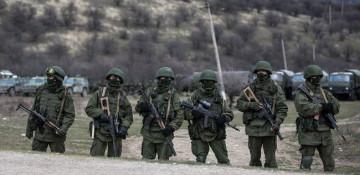
Russian forces continued pushing through the northern and eastern districts of the city, claiming new tactical gains after weeks of gradual advances. Moscow asserted that Ukrainian units in several neighbourhoods were facing the threat of encirclement and urged them to surrender. Ukrainian military officials denied these claims, stressing that supply corridors into the city still function and that defensive positions are being reorganised to resist further pressure. Soldiers inside Pokrovsk described a chaotic urban battlefield where drones operate almost constantly, artillery fire is relentless, and control of individual buildings changes hands multiple times within hours.
Ukrainian commanders warned that manpower shortages and the destruction of key infrastructure are complicating defensive efforts. They reported that units are relying heavily on small assault groups and rapid drone reconnaissance to prevent Russian breakthroughs. Despite the pressure, Ukrainian forces continued to launch counterattacks in several districts, attempting to slow Russian momentum. Local authorities evacuated additional civilians from high-risk zones as fighting moved deeper into the residential centre.
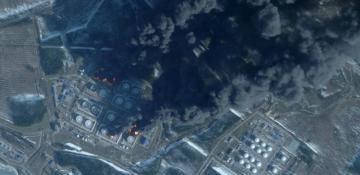
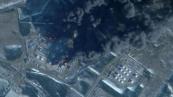
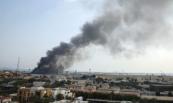
Beyond the frontline, Ukraine expanded its long-range strike campaign inside Russia. Over the past 24 hours, Ukrainian drones targeted multiple energy and logistics sites across Russian territory. The most significant strike hit a major oil refinery in Nizhny Novgorod region, temporarily halting parts of its operations. The refinery is considered one of Russia’s most important fuel facilities, and the attack highlighted Ukraine’s strategy of targeting assets that support Russia’s military supply chain. Russian officials claimed that air defences intercepted many drones, but independent analysis indicated visible structural damage and fires at the site.
These strikes came amid broader efforts by Ukraine to weaken Russia’s war economy and disrupt the movement of ammunition and fuel to the front lines. Analysts noted that while such attacks may not cause immediate large-scale shortages, they place growing strain on Russia’s logistics network and force the diversion of air-defence systems away from frontline areas.
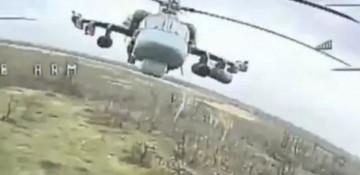
Ukrainian President Volodymyr Zelenskyy made a high-profile visit to frontline units near Pokrovsk, underscoring the seriousness of the situation. During his visit, he reaffirmed Ukraine’s need for additional Western military support, particularly advanced air-defence systems, long-range strike weapons, and armoured vehicles. He warned that Russia is intensifying its use of glide bombs and guided missiles, weapons that have caused heavy destruction in frontline towns. Zelenskyy’s statements echoed recent appeals by Ukrainian officials urging partners to speed up defence shipments to prevent further territorial losses.
On the Russian side, officials continued making assertive statements regarding military readiness. President Vladimir Putin held meetings with senior commanders and defence industry representatives, emphasising the importance of sustaining high production levels for ammunition, drones, and armoured vehicles. Russian state media amplified messages about the country’s “strategic stability capability,” a phrase analysts interpreted as renewed nuclear signalling aimed at deterring deeper Western involvement.
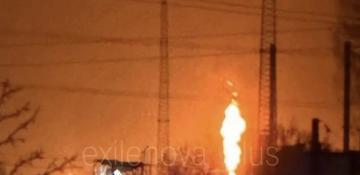
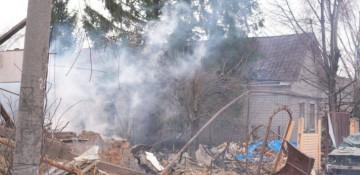
Meanwhile, Russia carried out several overnight missile and drone attacks against Ukrainian regions. Infrastructure facilities in Dnipropetrovsk, Poltava, and Mykolaiv were hit, with local authorities reporting damage to power distribution sites and industrial buildings. Emergency crews worked through the night to restore electricity, and air-defence units claimed dozens of interceptions. Civilian casualties remained limited, although several people were injured by falling debris.
The humanitarian situation in areas near the frontline continues to deteriorate. Aid workers reported increasing displacement from villages around Pokrovsk and Chasiv Yar, where water, electricity, and medical services have become unreliable due to persistent shelling. Winter conditions are worsening the situation, and Ukrainian officials warned that additional heating and shelter facilities are urgently needed.
Overall, the past 24 hours underscored the growing intensity of the conflict. The battle for Pokrovsk has entered a critical phase, with the potential to reshape control over a large section of Donetsk region. Ukraine’s drone campaign inside Russia reflects a strategic effort to offset Russian advantages in manpower and artillery, while both sides continue escalating their military and political messaging. The coming days will likely determine whether Ukrainian defenders can stabilise the front or whether Russia is positioned to make further advances.


Similar news