Russian gas supplies to China: prospects and risks


By Asif Aydinli
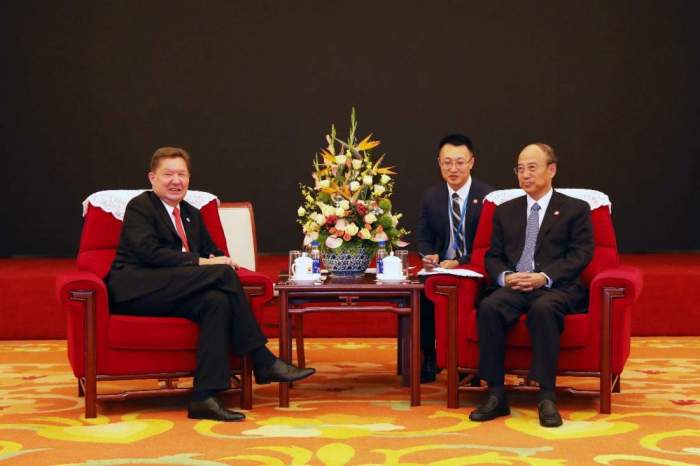
The recent agreement between Gazprom and CNPC on the early ramp-up of gas deliveries through the Power of Siberia 1 pipeline to maximum capacity has become a symbol of the strengthening energy alliance between Russia and China. However, behind the celebratory press releases lies a much more complex economic reality in which Russia is seeking new sources of revenue, while China is looking for stable energy supplies amid global disruptions.For China, the role of Russian gas is becoming more significant in an era of uncertainty in the global energy market. Sustainable economic growth, the transition to greener energy sources, and continued industrial expansion require reliable supplies. Yet behind the impressive numbers stands China’s strategy of supply diversification. In addition to the Power of Siberia, Beijing is actively working to strengthen ties with other suppliers, including Turkmenistan and Qatar, not to mention the significant expansion of its LNG (liquefied natural gas) capacity.
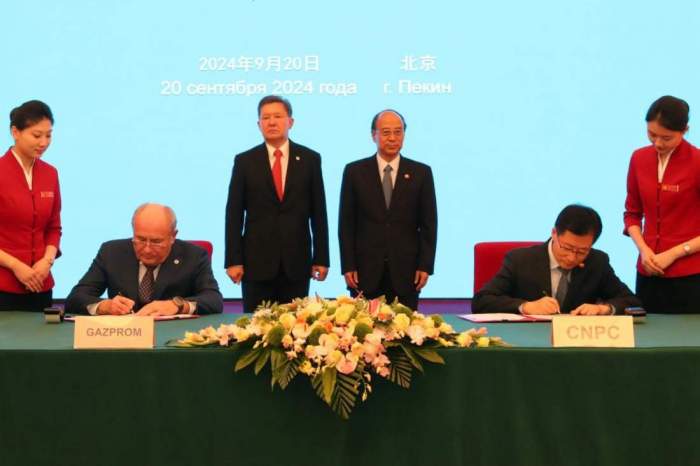
For Russia, the eastern market is not just a new development vector but a potential lifeline. Under Western sanctions, which intensified after 2022, Moscow has concentrated its efforts on the Chinese direction. The increase in supplies via the Power of Siberia is a natural consequence of this strategy. However, despite optimistic forecasts for increasing export volumes to 38 billion cubic meters , the question remains: how sustainable is this demand?
China, as a pragmatic partner, is not looking to become fully dependent on one supplier. Its multi-vector strategy means that Gazprom may face competition in one of the world's fastest-growing markets. Even if the figures for 2023 and 2024 look encouraging, relying solely on the Chinese market is risky, considering potential shifts in Beijing’s policies.
Infrastructure projects like Power of Siberia 1 and the potential Power of Siberia 2 represent multi-billion-dollar investments that need to pay off in the long term. However, there are several risk factors. First, current gas prices and demand levels in China may change due to global trends. Second, Russia itself risks falling into a debt trap if it fails to effectively diversify its markets and remains overly reliant on one major buyer.
Additional pressure also comes from the pace of construction of other pipelines, such as Power of Siberia 2 and the prospective project through Mongolia . These projects require significant investments, and their future largely depends on political will both within Russia and abroad.
The signing of additional agreements on gas supplies undoubtedly points to a political subtext. Moscow and Beijing are strengthening ties against the backdrop of Russia’s isolation by the West and increasing tensions in China’s relations with the U.S. Nevertheless, it is important to remember that China, as an economic superpower, remains pragmatic. For Beijing, Russia is just one of many possible suppliers. Amid global political instability, China will continue to build a multipolar energy supply network to avoid monopolistic dependence on any single direction.
Gazprom’s economic prospects in China certainly look promising in the short term, but they carry significant risks in the long run. The growth of gas supplies to China is important for the Russian economy, but strategic vulnerabilities remain, given the lack of other major export markets and the growing competition in the Asian region. Infrastructure projects need flexibility, and the economy requires diversification.


Similar news