Strategic shift in regional energy cooperation


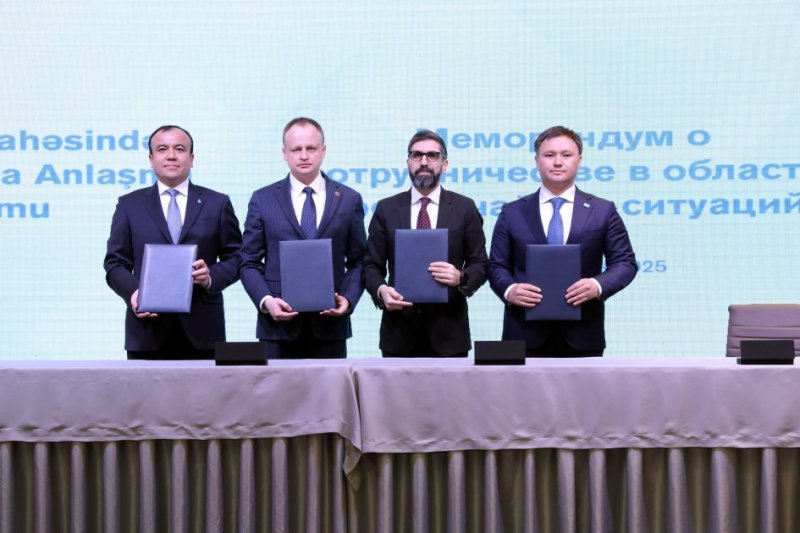
The recent international conference in Baku, supported by the State Oil Company of Azerbaijan (SOCAR), marked a significant turning point for regional energy cooperation. The event, focused on digitalization, industrial safety, and procurement in the energy sector, led to the signing of strategic agreements between Azerbaijan, Kazakhstan, Russia, and Uzbekistan. These four-party memorandums of cooperation between SOCAR, Kazakhstan’s KazMunayGas, Russia’s Tatneft, and Uzbekistan’s Uzbekneftegaz signal a deliberate move towards strengthening regional ties in the energy domain.
Azerbaijan's approach to foreign policy has consistently prioritized regional relations over broader global ambitions. This strategy is not only pragmatic but also essential in a rapidly evolving geopolitical landscape. By fostering closer ties with neighboring countries, Azerbaijan is securing its position as a key player in the oil and gas industry of the Caspian region. This focus on regional cooperation aligns with the broader objective of ensuring energy security and economic stability amidst a complex international environment.
 The logos of SOCAR and Tatneft
The involvement of Tatarstan's Tatneft is particularly noteworthy. As one of Russia’s leading oil and gas regions, Tatarstan brings significant technical expertise and resources to the table. Beyond the practical advantages, Tatarstan's participation also carries a symbolic dimension. With a substantial Turkic population, Tatarstan's alignment with these regional projects underscores the cultural and strategic affinities that can enhance cooperation and trust among these nations.
The signed agreements emphasize key areas such as digitalization, industrial safety, joint procurement, and emergency management—critical sectors for advancing the energy industry. Effective coordination among these countries will be essential to address the complex technological challenges that the oil and gas sector faces, including the management of emergencies like fires at oil and gas fields. Azerbaijan's extensive experience in handling such crises, along with Uzbekistan's capabilities in managing gas fires, highlights the benefits of pooling resources and expertise.
Joint procurement emerges as another strategic advantage for these nations. Azerbaijan's advanced transportation infrastructure, comprising a robust network of oil pipelines and railways, positions it as a vital corridor for delivering energy resources to global markets. By coordinating procurement efforts, the four countries can potentially reduce costs, enhance efficiency, and strengthen their collective bargaining power in the global energy market.
This regional alliance also holds significant promise for the future. The potential expansion of cooperation into areas such as oil extraction, refining, and the adoption of environmentally friendly technologies could redefine the energy landscape of the region. Modern technologies that minimize environmental impact are particularly crucial as the global focus increasingly shifts towards sustainable energy practices.
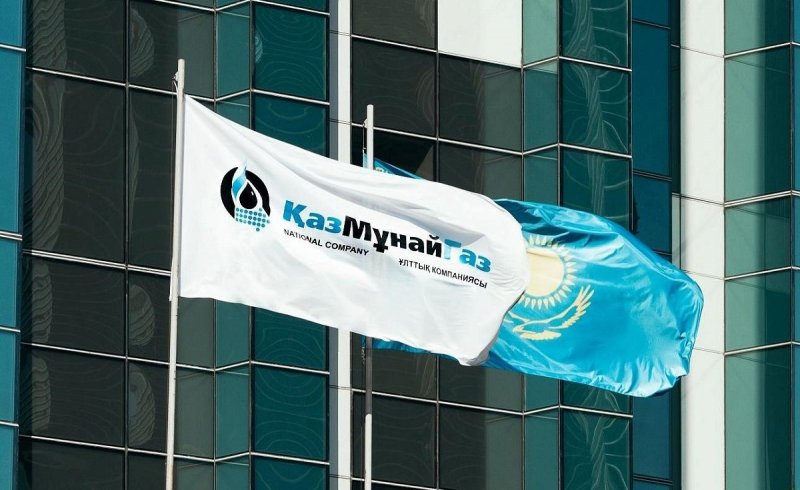 KazMunayGas
The stature of the participating companies further underscores the importance of these agreements. SOCAR's international presence, including its oil refinery in Türkiye, coupled with KazMunayGas's control over a substantial share of Kazakhstan’s oil processing and transportation, reflects a formidable collective capability. Meanwhile, Uzbekistan’s extensive network of oil refineries and fields, combined with Tatarstan’s expertise in the petrochemical industry, suggests a comprehensive approach to regional energy security.
In essence, the agreements signed in Baku represent more than just routine cooperation between oil and gas companies. They signify a strategic recalibration of regional partnerships aimed at enhancing energy security, economic resilience, and technological advancement. As the geopolitical dynamics continue to shift, this emerging bloc could play a pivotal role in shaping the future of the energy sector in Eurasia.
(If you possess specialized knowledge and wish to contribute, please reach out to us at opinions@news.az).


Similar news