The myth of Hamas victory: What really happened?


Editor's note: Abraham Shmulevich, Israeli political scientist, president of the Eastern Partnership Institute. The article expresses the personal opinion of the author and may not coincide with the view of News.Az.
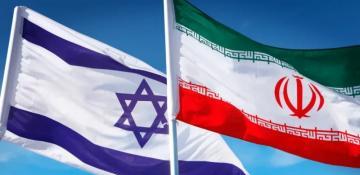
Iran's Supreme Leader Ayatollah Ali Khamenei has declared Hamas victorious in its conflict with Israel, asserting that it has thwarted both Israeli and American objectives. But such pronouncements raise an important question: what exactly has Hamas achieved? The reality suggests otherwise. Despite its efforts, Hamas has failed to secure any meaningful military or political gains, and its broader strategic objectives remain unfulfilled.
Since its founding, Hamas has positioned itself as the vanguard of Palestinian resistance, committed to Israel’s destruction. As an Iranian proxy, it has played a key role in Tehran’s broader regional strategy to challenge Israel’s security and disrupt the growing normalization between Israel and Arab states. However, rather than advancing its cause, Hamas' latest actions have once again highlighted the limitations of its strategy and the devastating consequences of its miscalculations.
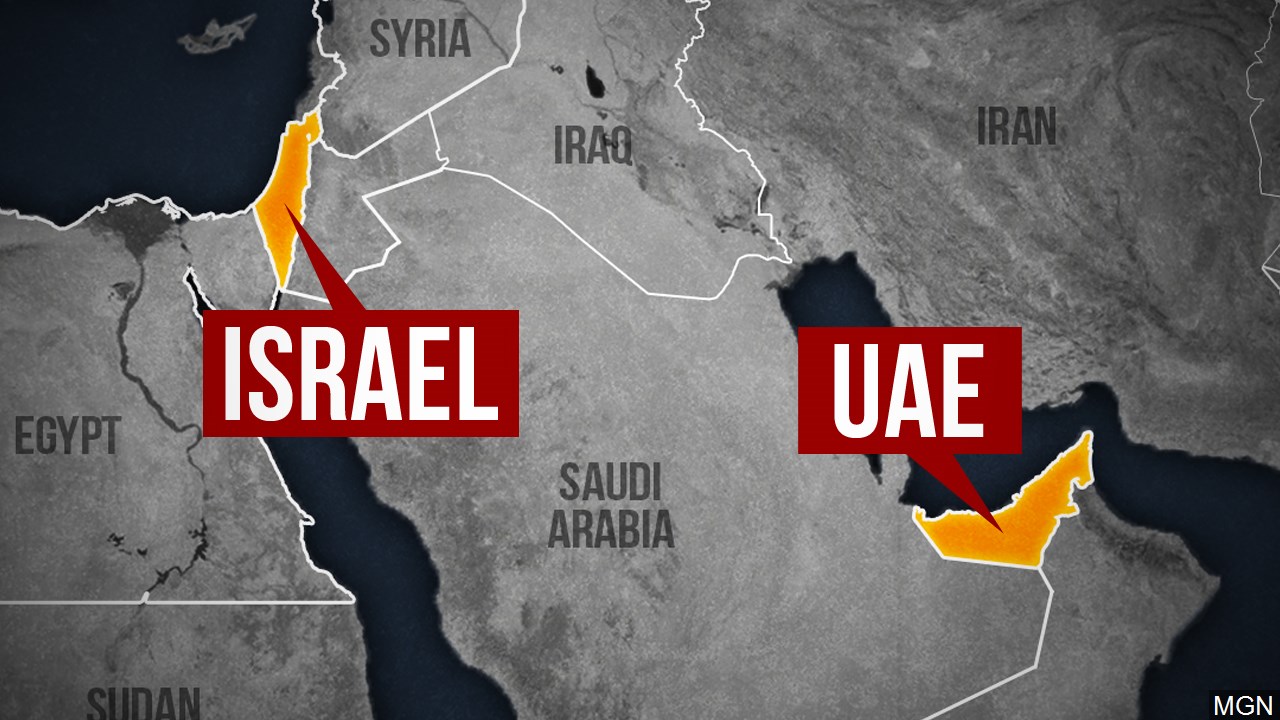
The October assault by Hamas was not just an attack on Israel but a desperate gamble to alter regional dynamics. At the time, Israel was engaged in discussions with Saudi Arabia regarding a historic normalization agreement that could have reshaped Middle Eastern geopolitics. Iran, which sees Israeli-Arab rapprochement as a threat to its influence, has long used Hamas, Hezbollah, and other militant groups to derail such efforts. The assault was likely meant to provoke a conflict severe enough to force Arab states to reconsider their ties with Israel.
Yet this strategy has largely failed. While the conflict has put temporary strain on diplomatic initiatives, it has not reversed the broader trajectory of Arab-Israeli normalization. Saudi Arabia, despite publicly condemning Israel’s response in Gaza, has not severed its behind-the-scenes engagement. The UAE, Bahrain, and Morocco, which signed the Abraham Accords, have not abandoned their diplomatic relations with Israel. The reality is that many Arab states no longer see Hamas as a legitimate representative of Palestinian interests but as a destabilizing force that serves Iran’s agenda rather than Palestinian aspirations for statehood.
Militarily, Hamas’ recent assault was brutal but strategically flawed. The group exploited Israel’s momentary security lapses, targeting civilians in border communities, massacring families, and taking hostages. These acts of terror succeeded in spreading fear, but they did not translate into strategic gains. Unlike previous confrontations, where Hamas sought to impose psychological pressure on Israel through rocket attacks, this operation was an unprecedented escalation—one that all but ensured a decisive Israeli response.
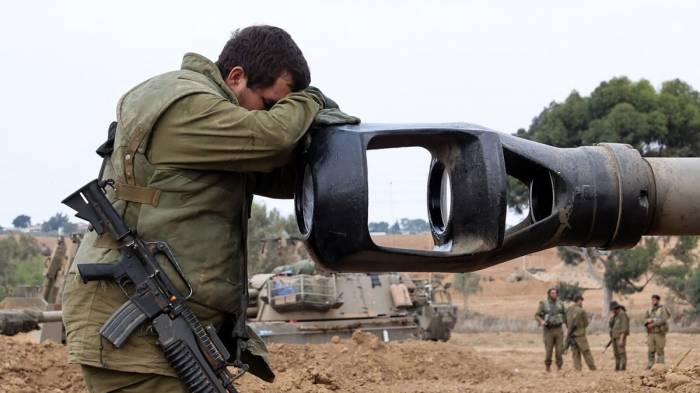
Within hours of the attack, Israel mobilized its military and intelligence apparatus to dismantle Hamas' operational capabilities. The Israel Defense Forces (IDF) launched a comprehensive campaign to neutralize Hamas' leadership, destroy its military infrastructure, and degrade its ability to launch future assaults. The response was not just about retribution but about ensuring that Hamas would not be able to repeat such an attack.
The devastation in Gaza has been severe, but it is a consequence of Hamas' own long-term strategy of embedding military operations within civilian areas. The group has spent years diverting humanitarian aid and economic resources toward building a vast underground tunnel network and amassing weaponry instead of investing in civilian infrastructure. Every war Hamas has initiated has resulted in catastrophic consequences for the people of Gaza, yet the group continues to use them as human shields, leveraging civilian casualties as a tool for political gain.
Hamas' failure is also indicative of Iran’s diminishing ability to shape the region’s security landscape. Tehran has invested heavily in asymmetric warfare, supporting militias in Lebanon, Syria, Yemen, and Iraq, but the effectiveness of this strategy is increasingly questionable. Despite Iran’s extensive network of proxies, Israel has consistently demonstrated its ability to neutralize threats and maintain military superiority.
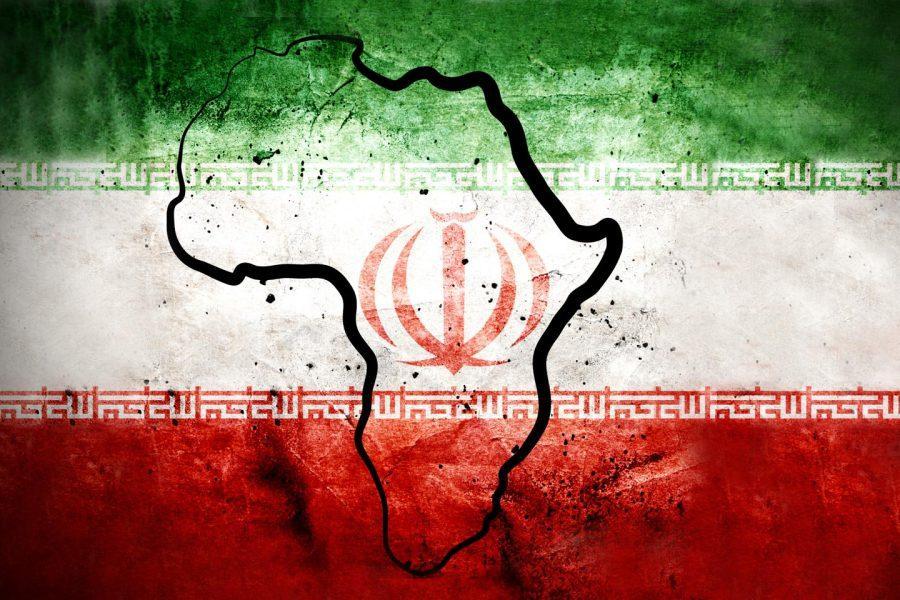
Moreover, Iran’s own strategic position is weakening. The regime faces severe economic challenges, persistent internal unrest, and growing regional pushback against its influence. Countries that once aligned more closely with Tehran are now reevaluating their positions, with many prioritizing economic cooperation with the West and the Gulf over ideological commitments to Iran’s revolutionary agenda.
The idea that Hamas could somehow deliver a decisive blow to Israel, or that its actions would shift regional alliances in Iran’s favor, was always an illusion. What this war has instead revealed is the resilience of Israel and the growing regional consensus that groups like Hamas are obstacles to peace rather than legitimate political actors.
As the conflict continues, discussions are already underway about the future governance of Gaza. While Hamas has long controlled the territory with an iron grip, its rule may not survive the current war. There is increasing international discourse on post-conflict scenarios, with some proposals suggesting that Gaza could be placed under an interim international administration or governed by a coalition of regional actors, potentially sidelining Hamas altogether.
The humanitarian toll in Gaza is undeniable, but it is a crisis largely manufactured by Hamas itself. The group has repeatedly rejected diplomatic pathways to statehood, choosing instead a cycle of violence that has only worsened conditions for Palestinians. The Palestinian people deserve a leadership that prioritizes their future, not one that perpetuates endless war at their expense.
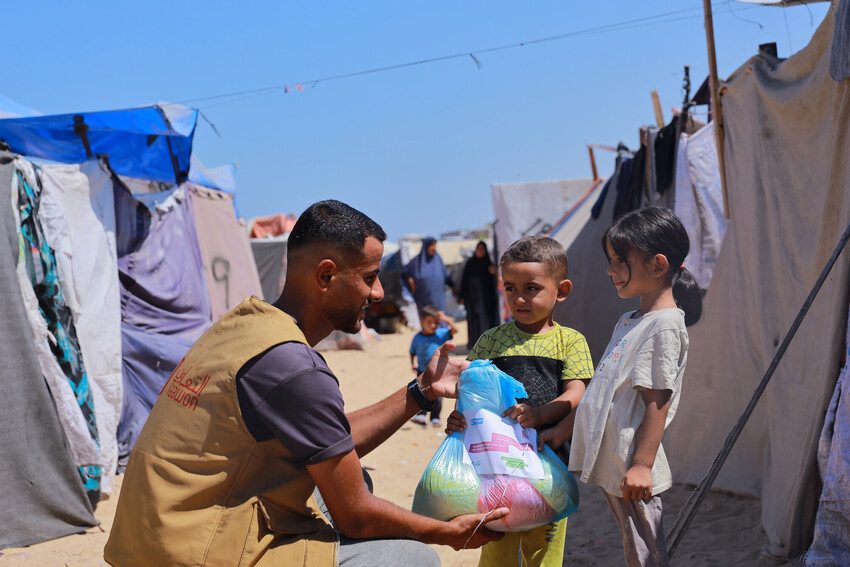
The claim that Hamas has achieved a victory is fundamentally detached from reality. The group has neither advanced its military objectives nor strengthened its political position. Instead, it has exposed its own vulnerabilities, provoked a devastating response, and reinforced Israel’s determination to dismantle its operational capacity.
The broader lesson is clear: militant extremism is not a viable strategy for achieving Palestinian aspirations. Hamas’ continued reliance on terrorism has not brought Palestinians closer to statehood—it has only deepened their suffering and isolated them from potential allies.
If this is what Hamas considers a victory, one must ask: what would defeat look like? The war has left Gaza in ruins, strained Iran’s influence, and strengthened Israel’s regional partnerships. The illusion of victory may serve as a propaganda tool, but it does not change the fundamental reality—Hamas has lost far more than it has gained.
(If you possess specialized knowledge and wish to contribute, please reach out to us at opinions@news.az).


Similar news