This is not your war, Kyiv — Azerbaijan has its own path


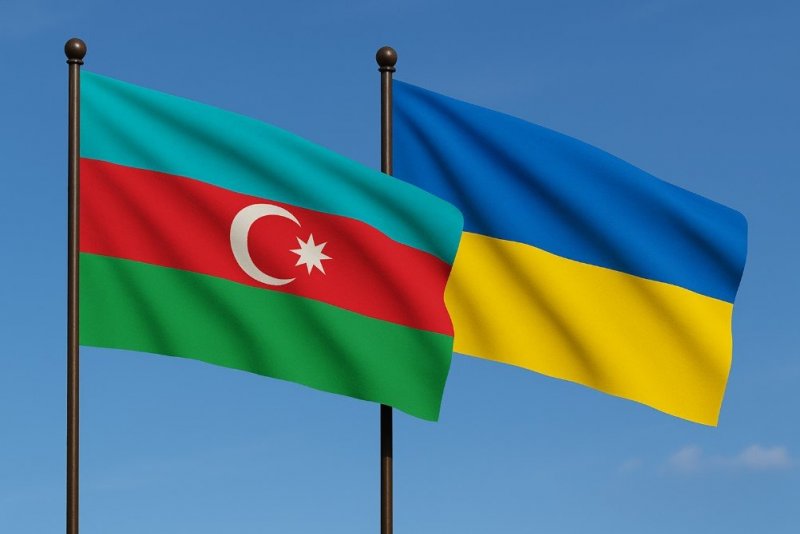
In the delicate calculus of geopolitics, true independence is measured not just by the allies one keeps — but by the battles one chooses to fight alone.
Over the past week, Azerbaijani-Russian relations have entered an unprecedented phase of strain. Following the killing of Azerbaijani nationals by Russian police in Yekaterinburg, global reactions came swiftly. Ukrainian President Volodymyr Zelensky called Azerbaijani President Ilham Aliyev to offer his condolences. The EU’s ambassador to Baku voiced concern. Western commentators — some of whom had never before spoken up for Azerbaijan — joined the chorus of criticism aimed at Moscow.
But amid this flurry of support, one fact stands out: Baku never asked for it.
Azerbaijan has long maintained a posture of strategic self-restraint, even in the face of provocation. And while expressions of solidarity may seem welcome on the surface, many of those currently offering their sympathy were nowhere to be found during the darkest years of Armenia’s occupation of Azerbaijani lands. That silence is not forgotten — nor is the selective outrage on display today.
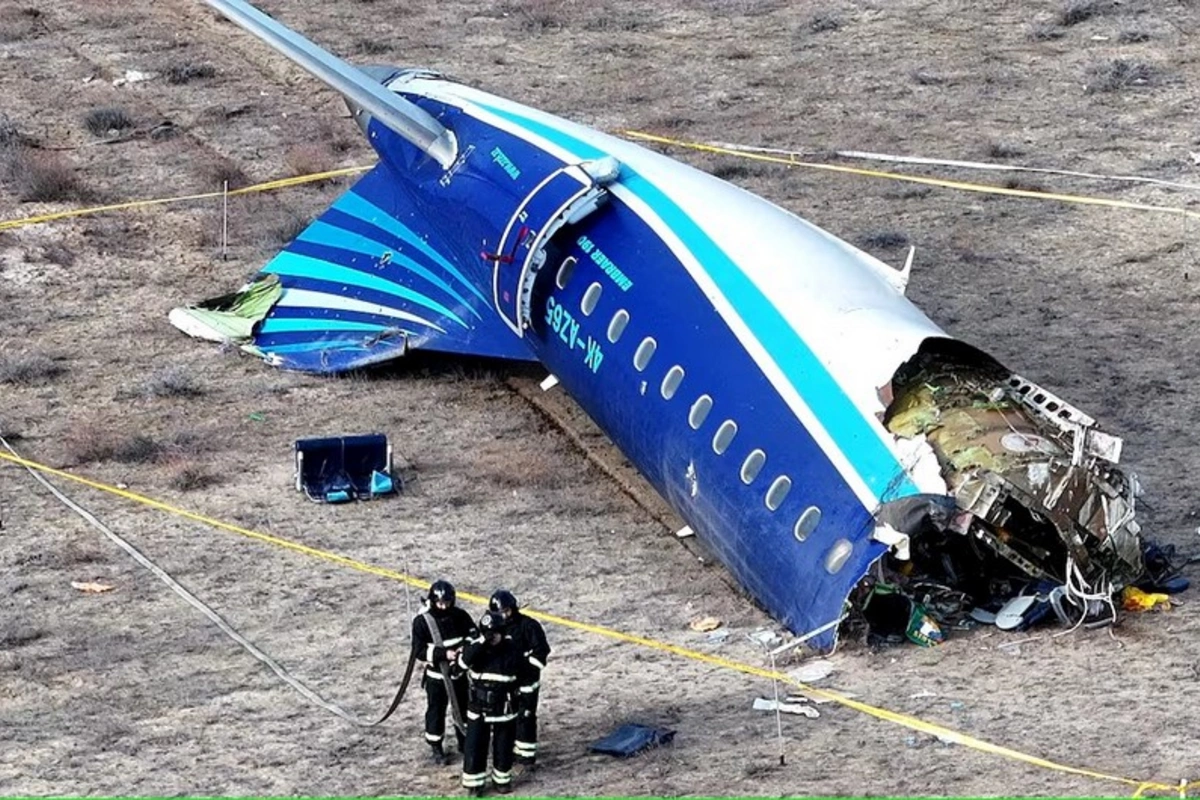
Source: Reuters
The current escalation is no minor diplomatic spat. It follows a series of serious incidents — including the downing of an Azerbaijani civilian aircraft by Russian air defenses — and reflects deeper structural issues in Moscow’s post-imperial worldview. Russia continues to treat former Soviet republics not as equal partners, but as subjects who must know their place. That attitude is increasingly out of step with the modern geopolitical reality.
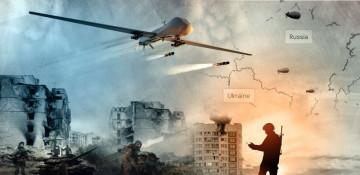
For years, Azerbaijan was one of the few post-Soviet states that chose engagement over estrangement with Russia. Baku remained committed to pragmatic cooperation, even when Moscow’s tone turned imperial. That phase may now be ending. And as tensions inch closer to a potential point of no return, international observers are quick to draw parallels to the Kremlin’s war with Ukraine.
But such comparisons are misplaced.
Unlike Ukraine, Azerbaijan is not seeking to rally the world behind its cause. It is not asking for weapons, sanctions, or sympathy. It is not broadcasting grievances in hopes of winning soft power points. In fact, Azerbaijan’s quiet resolve in the face of provocation stands in stark contrast to the way some nations have externalized every one of their domestic struggles.
It is worth remembering that when Armenia occupied one-fifth of Azerbaijan’s internationally recognized territory for nearly three decades, few in the West offered anything resembling real support. Ukraine, in particular, not only maintained close relations with Yerevan throughout that period but also actively amplified the Armenian narrative in its media space. In 2014, the Ukrainian TV channel 1+1 even sent a crew to the occupied Karabakh region without seeking Baku’s permission — producing a deeply biased segment as part of its “15 Republics” series. The Azerbaijani embassy protested. The Ukrainian Foreign Ministry barely responded.
Then came 2020. During the Second Karabakh War, prominent Ukrainian media outlets declared — quite brazenly — that the situation bore no resemblance to Crimea or Donbas. “This is different,” they claimed, citing Armenians as the “autochthonous” population and raising alarm over a hypothetical Azerbaijani “genocide,” while ignoring decades of ethnic cleansing and occupation suffered by Azerbaijanis. Even President Zelensky has, in the recent past, publicly accused Baku of reselling Russian gas to Europe — a baseless and politically timed allegation made in Brussels in 2023.

Source: TASS
These double standards are not just disappointing — they’re telling.
For too long, concern for Azerbaijan’s fate has been conditional. Only when Russia plays the role of aggressor does the world’s attention shift toward Baku. It is not the crime that provokes outrage, but the identity of the perpetrator. When Azerbaijani civilians suffered under Armenian occupation, the silence was deafening. But when Russian police commit violence, the headlines come quickly.
Azerbaijan does not need such performative outrage.
It does not need cheerleaders eager to weaponize its suffering in their own geopolitical conflicts. Nor does it need unsolicited advisors who treat the South Caucasus as a proxy battlefield. What it does need — and has long pursued — is respect for its sovereignty, acknowledgment of its agency, and freedom from geopolitical moralizing.
This is not a war between Russia and Ukraine. Azerbaijan’s conflict with Moscow cannot be folded into someone else’s narrative. It is a different history, a different geography, and a different story entirely.
And perhaps it is time for Baku to say what Kyiv once insisted so strongly: This is different.
By Tural Heybatov


Similar news