Trump’s big deals on the horizon: What awaits the U.S. and the world in 2025?


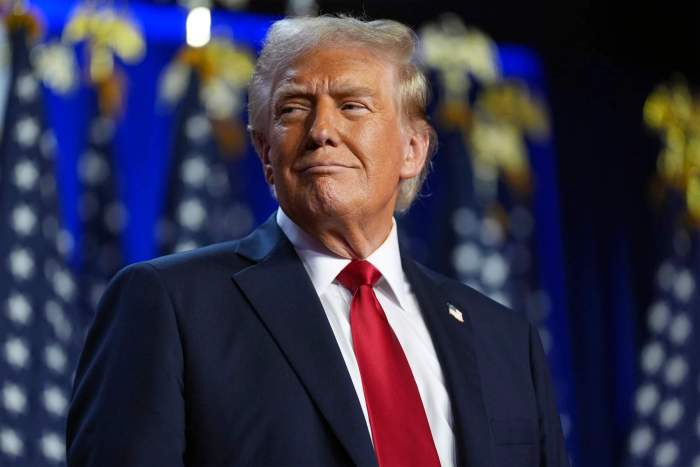
AP Photo/Evan Vucci
As 2024 draws to a close, the global political landscape is bracing for a shift. On January 20, 2025, Donald Trump, who served as the 45th President of the United States from 2017 to 2021, will once again take the oath of office as the 47th President. His return signals a potential recalibration of U.S. domestic and foreign policies, reminiscent of his first term, during which he left an indelible mark with his unorthodox approaches, particularly in his "trade war" with China.
However, even before his inauguration, Trump has been making headlines with a series of bold and provocative statements, hinting at the tone of his upcoming presidency. From comments on the recent Syrian conflict to controversial proposals involving Greenland and the Panama Canal, Trump has reignited debates across the international stage.
The Syrian conflict: "This is not our war"
One of Trump’s most striking pre-inauguration remarks came during the 10-day Syrian conflict in December 2024, which led to the unexpected fall of Bashar al-Assad’s regime. Known for his non-interventionist stance, Trump declared, “This is not our war,” reiterating his belief that the United States should avoid entanglements in foreign conflicts unless directly linked to national interests.
Trump attributed Assad’s ousting to two key factors: Russia’s dwindling support for the Syrian leader and Turkey’s decisive involvement. “Assad fled because Russia and Vladimir Putin were no longer interested in his survival,” Trump asserted, referencing Russia’s preoccupation with the ongoing war in Ukraine. He claimed that the conflict had taken a significant toll on Russian forces, with an estimated 600,000 soldiers killed or wounded since the invasion began in February 2022.
Equally notable was Trump’s praise for Turkish President Recep Tayyip Erdoğan. “Erdoğan is a very smart man,” Trump remarked. “The Turks have sought Assad’s downfall for over a thousand years, and now they’ve succeeded.” Trump credited Turkey with playing a decisive role in the rapid collapse of Assad’s government, which unfolded as armed groups based in Turkey launched a coordinated assault, culminating in the capture of Damascus.

Historical context: The Assad regime
The Assad family's rule in Syria dates back to 1970 when Hafez al-Assad seized power through a military coup. As leader of the Syrian Baath Party, Hafez consolidated control and ruled until his death in 2000. His son, Bashar al-Assad, an ophthalmologist by training, inherited the presidency but faced mounting challenges, particularly during the Arab Spring of 2011. With Russian support, Bashar managed to retain power through years of civil war. However, by 2024, as Russia’s focus shifted to its conflict in Ukraine, Assad found himself increasingly isolated. Reports suggest that Russia offered him asylum in Rostov-on-Don as armed opposition forces closed in on the Syrian capital.
Bold proposals: Greenland and the Panama Canal
Trump’s pre-inauguration commentary did not stop at Syria. On December 23, he took to his social media platform, Truth Social, to revive a controversial idea from his first term—the U.S. acquisition of Greenland. Trump described the purchase as vital for “U.S. national security and global freedom,” arguing that the island’s strategic location could bolster American interests in the Arctic region.
The proposal was met with swift rejection from Greenlandic Prime Minister Múte Bourup Egede, who stated unequivocally that “Greenland is not for sale and never will be.” The statement underscored the Danish territory’s commitment to sovereignty, despite its strategic importance and historical ties to both Denmark and the United States.
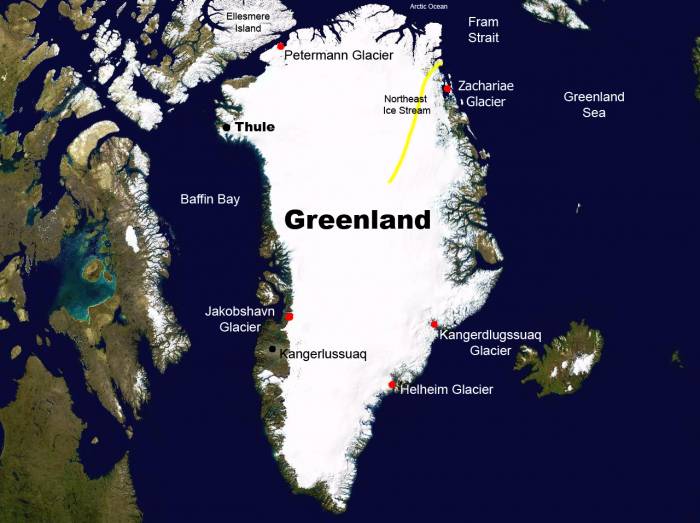
Historical Context: Greenland
Greenland, the world’s largest island, was first explored by Viking Erik the Red in the 10th century. It became a Danish territory in the 18th century and remains an integral part of the Kingdom of Denmark, despite having significant autonomy. Although the U.S. has previously expressed interest in purchasing Greenland, including a formal proposal during Trump’s first term, Denmark has consistently maintained that the island is not for sale.
Trump also sparked controversy with his comments about the Panama Canal, criticizing Panama’s high tariffs and suggesting that the canal should return to U.S. control. Referring to the canal as “critical to America’s economy and national security,” Trump accused Panama of overcharging for its use and warned against potential Chinese influence in the region.
Panamanian President José Raúl Mulino responded firmly, stating, “The Panama Canal belongs to Panama and will remain so.” He expressed hope for continued amicable relations with the United States but rejected any notion of relinquishing sovereignty over the canal.
Historical Context: The Panama Canal
The Panama Canal, which spans over 80 kilometers, is a vital conduit for international trade, linking the Pacific Ocean and the Caribbean Sea. Its construction, completed in 1914 after decades of planning and financial difficulties, stands as a testament to engineering ingenuity. The canal was administered by the United States until December 31, 1999, when control was officially transferred to Panama.
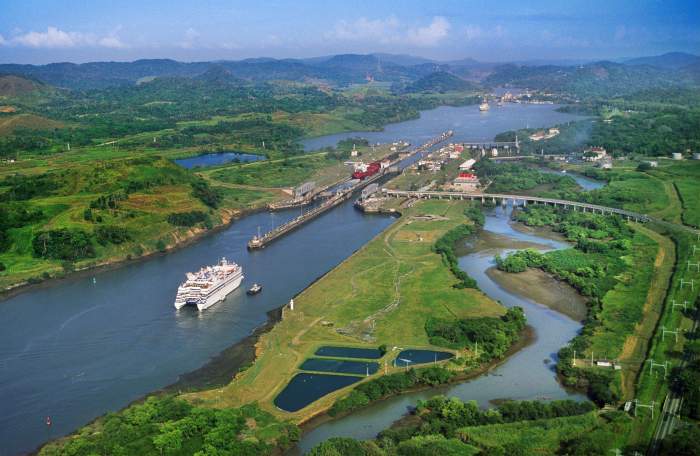
Azumendi/Stone RF/Getty Images
Canada: A Provocative Christmas greeting
In a lighter yet equally controversial moment, Trump’s Christmas greeting to Canada raised eyebrows. Referring to Canadian Prime Minister Justin Trudeau as a “governor,” Trump suggested that Canadians could see a 60% tax reduction if their country became the 51st state of the United States. While likely intended as humor, the remarks drew mixed reactions, with some questioning their implications for U.S.-Canada relations.
Historical context: Canada
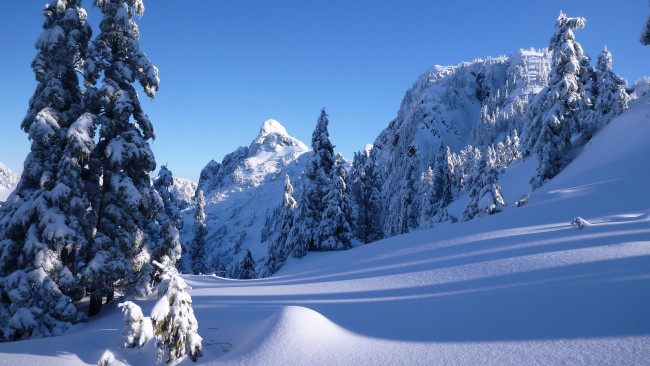
Canada, explored by Viking Leif Erikson in the 10th century, was colonized by both the French and British in subsequent centuries. It achieved self-governance in 1867 and full constitutional independence in 1982. As one of America’s closest allies, Canada has maintained a unique relationship with its southern neighbor, characterized by extensive trade, shared cultural ties, and occasional political friction.
A preview of 2025
Donald Trump’s return to the White House is poised to usher in a new era of American politics. His bold statements on issues ranging from Syria to Greenland signal a presidency that is likely to remain as unpredictable and unconventional as his first term. With global challenges on the horizon, 2025 promises to be a year of significant developments both at home and abroad. Welcome back to the White House, Mr. President.
However, even before his inauguration, Trump has been making headlines with a series of bold and provocative statements, hinting at the tone of his upcoming presidency. From comments on the recent Syrian conflict to controversial proposals involving Greenland and the Panama Canal, Trump has reignited debates across the international stage.
The Syrian conflict: "This is not our war"
One of Trump’s most striking pre-inauguration remarks came during the 10-day Syrian conflict in December 2024, which led to the unexpected fall of Bashar al-Assad’s regime. Known for his non-interventionist stance, Trump declared, “This is not our war,” reiterating his belief that the United States should avoid entanglements in foreign conflicts unless directly linked to national interests.
Trump attributed Assad’s ousting to two key factors: Russia’s dwindling support for the Syrian leader and Turkey’s decisive involvement. “Assad fled because Russia and Vladimir Putin were no longer interested in his survival,” Trump asserted, referencing Russia’s preoccupation with the ongoing war in Ukraine. He claimed that the conflict had taken a significant toll on Russian forces, with an estimated 600,000 soldiers killed or wounded since the invasion began in February 2022.
Equally notable was Trump’s praise for Turkish President Recep Tayyip Erdoğan. “Erdoğan is a very smart man,” Trump remarked. “The Turks have sought Assad’s downfall for over a thousand years, and now they’ve succeeded.” Trump credited Turkey with playing a decisive role in the rapid collapse of Assad’s government, which unfolded as armed groups based in Turkey launched a coordinated assault, culminating in the capture of Damascus.
Photo:lenta.cy
Historical context: The Assad regime
The Assad family's rule in Syria dates back to 1970 when Hafez al-Assad seized power through a military coup. As leader of the Syrian Baath Party, Hafez consolidated control and ruled until his death in 2000. His son, Bashar al-Assad, an ophthalmologist by training, inherited the presidency but faced mounting challenges, particularly during the Arab Spring of 2011. With Russian support, Bashar managed to retain power through years of civil war. However, by 2024, as Russia’s focus shifted to its conflict in Ukraine, Assad found himself increasingly isolated. Reports suggest that Russia offered him asylum in Rostov-on-Don as armed opposition forces closed in on the Syrian capital.
Bold proposals: Greenland and the Panama Canal
Trump’s pre-inauguration commentary did not stop at Syria. On December 23, he took to his social media platform, Truth Social, to revive a controversial idea from his first term—the U.S. acquisition of Greenland. Trump described the purchase as vital for “U.S. national security and global freedom,” arguing that the island’s strategic location could bolster American interests in the Arctic region.
The proposal was met with swift rejection from Greenlandic Prime Minister Múte Bourup Egede, who stated unequivocally that “Greenland is not for sale and never will be.” The statement underscored the Danish territory’s commitment to sovereignty, despite its strategic importance and historical ties to both Denmark and the United States.
Photo: NASA Scientific Visualization Studio
Historical Context: Greenland
Greenland, the world’s largest island, was first explored by Viking Erik the Red in the 10th century. It became a Danish territory in the 18th century and remains an integral part of the Kingdom of Denmark, despite having significant autonomy. Although the U.S. has previously expressed interest in purchasing Greenland, including a formal proposal during Trump’s first term, Denmark has consistently maintained that the island is not for sale.
Trump also sparked controversy with his comments about the Panama Canal, criticizing Panama’s high tariffs and suggesting that the canal should return to U.S. control. Referring to the canal as “critical to America’s economy and national security,” Trump accused Panama of overcharging for its use and warned against potential Chinese influence in the region.
Panamanian President José Raúl Mulino responded firmly, stating, “The Panama Canal belongs to Panama and will remain so.” He expressed hope for continued amicable relations with the United States but rejected any notion of relinquishing sovereignty over the canal.
Historical Context: The Panama Canal
The Panama Canal, which spans over 80 kilometers, is a vital conduit for international trade, linking the Pacific Ocean and the Caribbean Sea. Its construction, completed in 1914 after decades of planning and financial difficulties, stands as a testament to engineering ingenuity. The canal was administered by the United States until December 31, 1999, when control was officially transferred to Panama.
Azumendi/Stone RF/Getty Images
Canada: A Provocative Christmas greeting
In a lighter yet equally controversial moment, Trump’s Christmas greeting to Canada raised eyebrows. Referring to Canadian Prime Minister Justin Trudeau as a “governor,” Trump suggested that Canadians could see a 60% tax reduction if their country became the 51st state of the United States. While likely intended as humor, the remarks drew mixed reactions, with some questioning their implications for U.S.-Canada relations.
Historical context: Canada
Photo: artfile.me
Canada, explored by Viking Leif Erikson in the 10th century, was colonized by both the French and British in subsequent centuries. It achieved self-governance in 1867 and full constitutional independence in 1982. As one of America’s closest allies, Canada has maintained a unique relationship with its southern neighbor, characterized by extensive trade, shared cultural ties, and occasional political friction.
A preview of 2025
Donald Trump’s return to the White House is poised to usher in a new era of American politics. His bold statements on issues ranging from Syria to Greenland signal a presidency that is likely to remain as unpredictable and unconventional as his first term. With global challenges on the horizon, 2025 promises to be a year of significant developments both at home and abroad. Welcome back to the White House, Mr. President.
(If you possess specialized knowledge and wish to contribute, please reach out to us at opinions@news.az).


Similar news