Turkey's ambitious move to become a key gas hub: Opportunities and challenges


By News.Az
In recent years, Turkey has been making bold moves in the energy market, aiming to become a major gas hub not just in its region but across Europe. This ambition was highlighted by Turkey's Minister of Energy and Natural Resources, A. Bayraktar, during his visit to the Gas Processing Plant (GPP) in Filyos on August 19, 2024. Bayraktar outlined Turkey's plans to ramp up gas exports to Bulgaria and other European countries, a significant step towards positioning Turkey as a key player in the natural gas market.
Right now, Turkey is equipped with a robust infrastructure that allows it to import and distribute natural gas well beyond its own needs. Key components like the Trans-Anatolian Natural Gas Pipeline (TANAP) and the TurkStream pipeline, along with new gas fields like Sakarya on the Black Sea, are crucial assets. These resources put Turkey in a strong position to act as a major transit point for gas from diverse sources, including Russia, Azerbaijan, Iran, Qatar, Algeria, Oman, Turkmenistan, and more, while also boosting its domestic production.Turkey’s push to supply gas to Europe, particularly Bulgaria, is a strategic goal for Ankara. The gas routed through the Bulgarian segment of the pipeline extension from the second line of TurkStream, known as the "Balkan Stream," will help Turkey secure energy stability in the Balkans and expand its footprint in the European energy market. Beyond Bulgaria, Turkey aims to supply countries like Greece, Romania, Hungary, Slovakia, North Macedonia, and Serbia. To attract more customers, Turkey has launched the Turkish Blend brand—a mix of gas from different sources, making it an attractive option for various European markets.
Currently, Turkey has an export capacity of around 3.5 billion cubic meters per year, but there are plans to double this with Bulgaria’s help. Instead of laying new pipelines, Turkey plans to upgrade its current infrastructure to increase its capacity. This strategy will require significant investment but offers tremendous potential for Europe as a whole.
Russia remains Turkey’s largest gas supplier, accounting for about 40% of its needs. However, Turkey is actively working to diversify its gas sources through LNG contracts with the U.S., Qatar, Algeria, Nigeria, and Oman. This approach allows Turkey to be more flexible in the energy market, reducing reliance on a single supplier and enhancing its energy security.
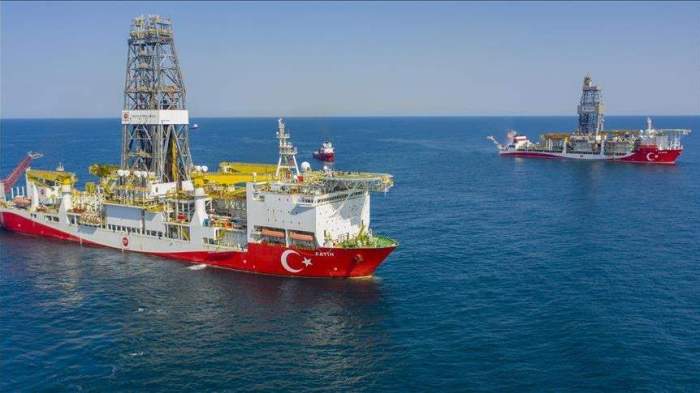
A key part of Turkey’s strategy is ramping up its own production at the Sakarya gas field in the Black Sea. The target is to reach a daily output of 60 million cubic meters, and once achieved, this gas could meet all the residential needs across Turkey. This shift would not only cut down on imports but also boost the country's energy independence.
Turkey is heavily investing in expanding its gas storage and distribution infrastructure. This includes growing its underground gas storage facilities (UGS) and floating production storage and offloading units (FPSOs), managed by the national company BOTAŞ . Turkey also aims to establish a major gas hub in Istanbul, which would set gas prices at the EU border. Collaboration with Russia’s Gazprom and other international players could be crucial in making this vision a reality.
The deal signed in January 2023 between Bulgaria’s interim government and the Turkish company BOTAŞ, involving a 13-year agreement for access to Turkey's gas network, underscores Turkey's growing importance in the European gas market. Under this deal, Bulgaria will pay around 500,000 dollars annually for gas throughput capacity, marking a major move towards greater energy independence for Bulgaria.
In a world of global energy uncertainties, Turkey is leveraging its strategic location and developing infrastructure to strengthen its position in the international gas market. By diversifying its supplies and boosting domestic production, Turkey is positioning itself as a pivotal player in global energy. However, to fully achieve its goals, Turkey will need to tackle several challenges, including attracting investment, modernizing its infrastructure, and building stronger ties with international partners. Successfully navigating these waters will enable Turkey not only to meet its own energy needs but also to ensure stable gas supplies to Europe, opening up new avenues for economic growth and sustainable development in the region.


Similar news