U.S. halts military aid to Ukraine: A strategic shift or pressure on Zelensky?


.png)

The recent decision by the United States to suspend all military aid to Ukraine represents a significant shift in international relations, carrying profound implications for the ongoing conflict in Eastern Europe.
Since Russia's invasion of Ukraine in 2022, the United States has been a primary supporter of Kyiv, providing substantial military, financial, and humanitarian assistance. This support has been crucial in strengthening Ukraine's defense capabilities against Russian aggression. However, recent developments have prompted a reassessment of this support.
Recent developments
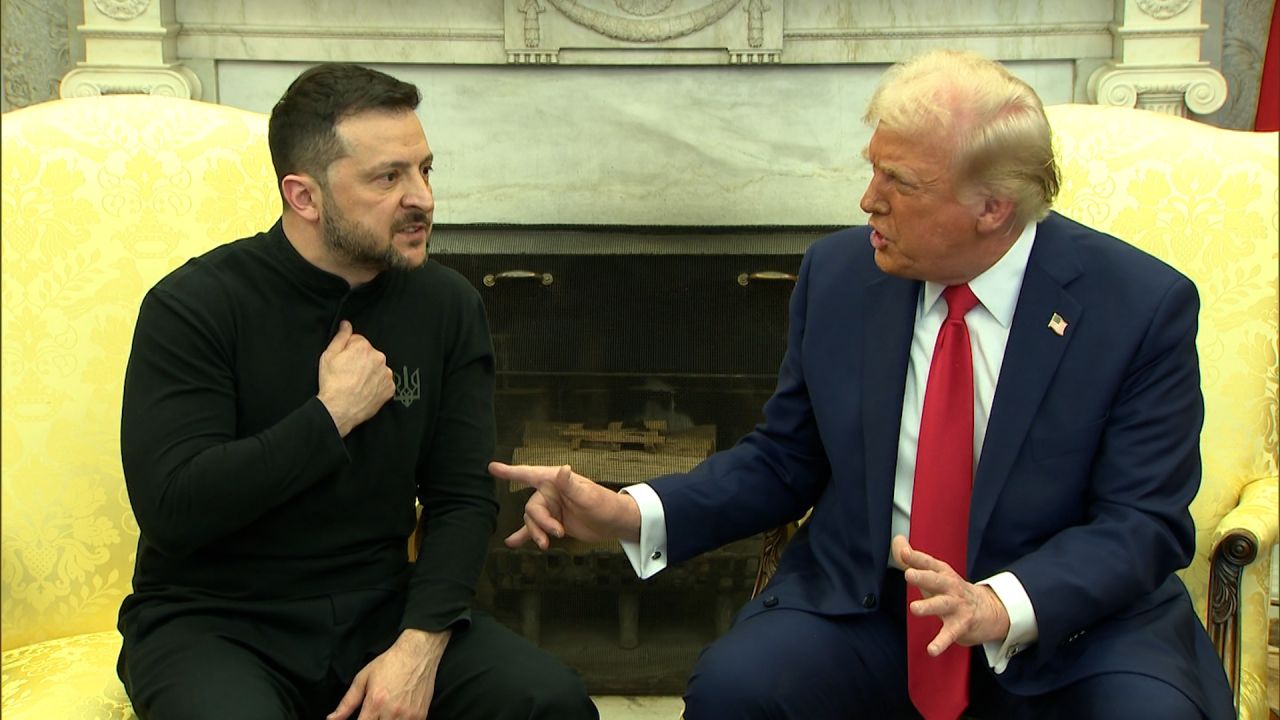
On February 28, 2025, a highly publicized meeting took place between U.S. President Donald Trump and Ukrainian President Volodymyr Zelenskyy in the Oval Office. The meeting was marked by intense disagreements, with President Trump expressing frustration over Ukraine's approach to peace negotiations with Russia. The confrontation led to the abrupt departure of the Ukrainian delegation without any agreements.
Source: BBC
Subsequently, on March 3, 2025, the Trump administration announced a suspension of all military aid to Ukraine. A White House official stated, "We are pausing and reviewing our aid to ensure that it is contributing to a solution."
Reasons behind the decision
Several factors appear to have influenced the U.S. decision to halt military aid: pressure for peace negotiations, a reassessment of U.S. interests, and the use of strategic leverage.
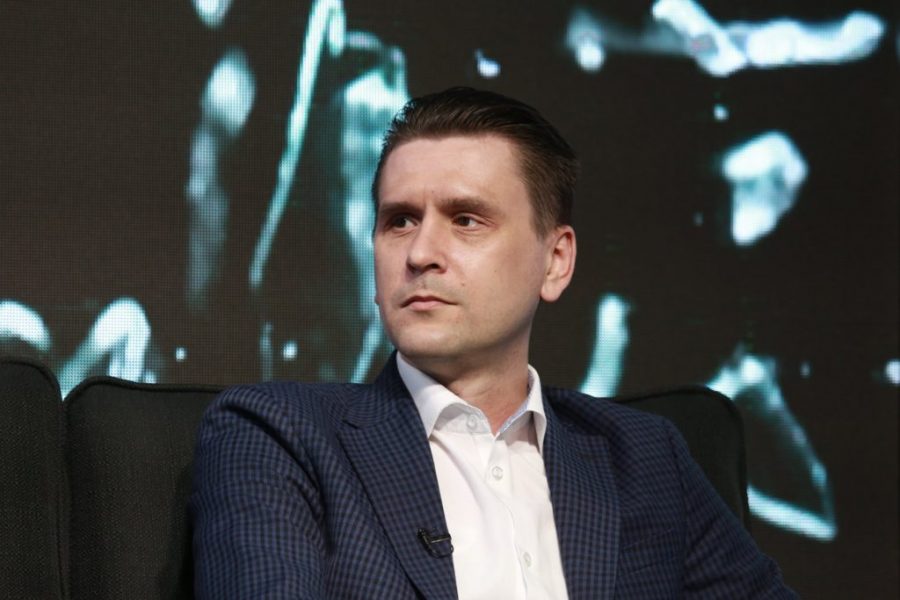
Oleksandr Kovalenko, a Ukrainian military and political columnist, in an interview with News.Az, assessed the decision as an attempt by Donald Trump to pressure Volodymyr Zelensky.
"The main reason for stopping aid from the United States is, of course, Donald Trump's attempt to pressure and dominate Volodymyr Zelensky. From the very beginning of discussions on a major deal concerning rare earth metals, Trump has tried to exert pressure, but without success. As for peace talks, Trump seems to disregard Ukraine's interests entirely, offering no guarantees. Moreover, he has not yet presented the peace plan he often speaks of. Trump is attempting to force Ukraine into negotiations with Russia based solely on ephemeral trust in his personal assurances. This is unrealistic. That is why Trump has resorted to the same leverage he tried to use in 2023 when Congress began blocking aid to Ukraine," Kovalenko stated.
Implications of the aid suspension
The U.S. has been a major supplier of advanced military equipment to Ukraine. The sudden halt in aid could weaken Ukraine's defense posture, making it more vulnerable to Russian advances. Ukrainian officials have voiced concerns about their ability to sustain defense operations without U.S. support.
Kovalenko reminded that Ukraine managed without U.S. aid for six months:
"The front did not collapse, the defense did not collapse. Thanks to our European partners and other countries, we were able to hold out. I believe a similar situation will occur now. The Republican Party, facing diminishing support and losses without any dividends, will eventually back down. However, this will take time, and unfortunately, this is a war—this means human lives and losses. In the short term, there will be no effect, and in the long term, not much either."
The Patriot Air Defense Systems: A critical issue
Source: Reuters
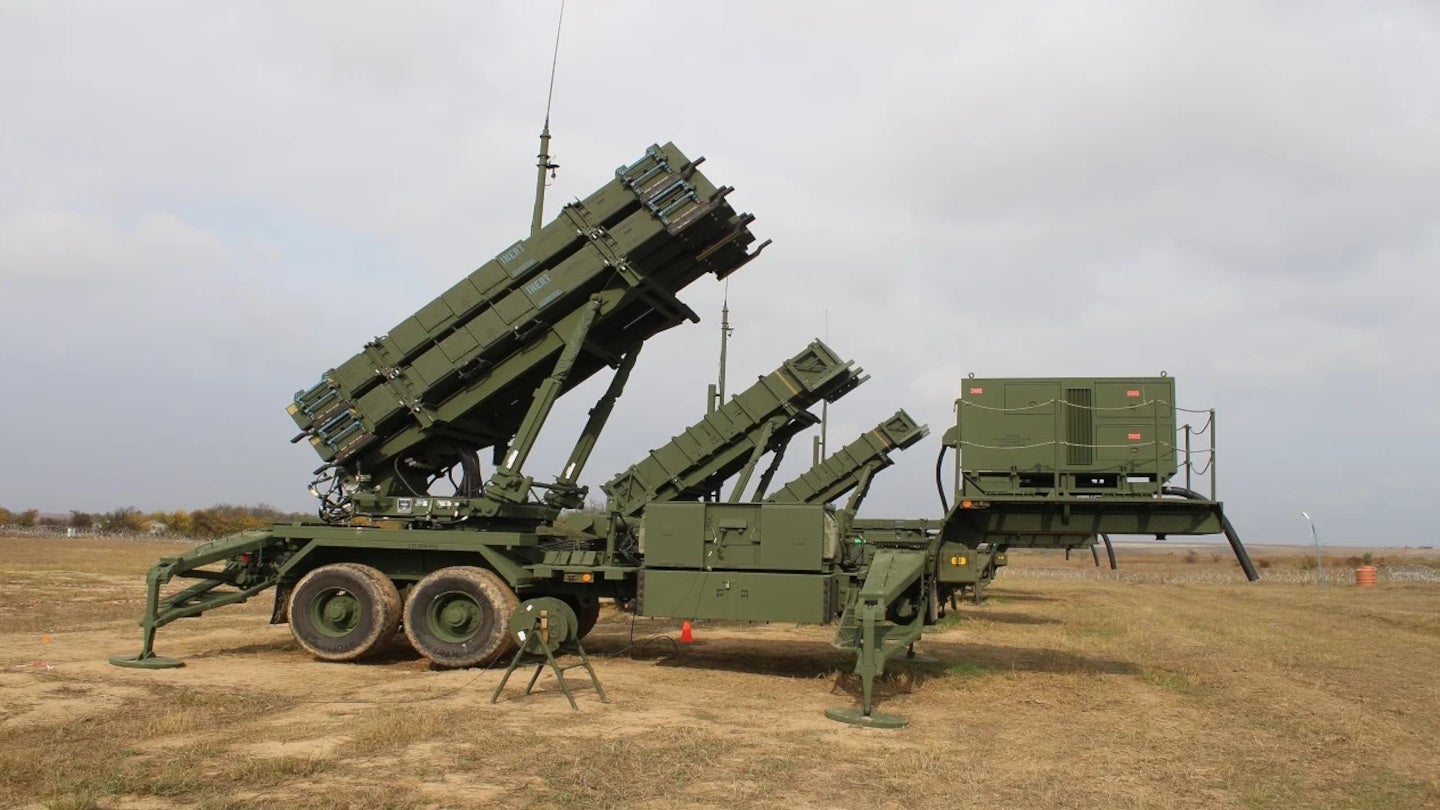
According to Ukrainian military experts, the main concern now is not the combat capability of the Ukrainian army but the supply of Patriot air defense systems by the United States.
"The Patriot air defense system plays a crucial role in protecting the capital, Kyiv, from ballistic attacks. If we do not receive Patriot missiles or new systems, it will become much more difficult to defend against attacks on Ukraine's rear," the expert emphasized.
He further noted that while the Russian army lacks the capability for large-scale offensive operations, the threat of terrorist attacks on Ukraine's rear remains significant unless alternative solutions are found.
Kovalenko mentioned the Franco-Italian SAMP/T systems as a potential alternative to the Patriot systems.
"However, unlike the Patriot systems, SAMP/Ts are produced in limited quantities, as are the missiles for them. Ukraine might need to find a supplier willing to agree to such conditions. It is crucial for Ukraine to secure at least partial replacements for U.S. aid. This support could come not only from European countries but also from others that have cooperated with Ukraine, such as Turkey, Japan, and South Korea," he suggested.
Can European allies compensate for the suspension?

Source: BBC
When asked whether European allies could compensate for the suspended U.S. aid, Kovalenko was skeptical.
"Unfortunately, they will not be able to fully compensate for the aid from the United States. Therefore, Ukraine will need to seek support from other countries. This could involve expanded cooperation with Japan, South Korea, Turkiye, and other nations with well-developed military-industrial complexes," he stated.
He also highlighted the unprecedented cooperation witnessed during the conflict, such as the so-called 'shell coalition,' where ammunition from Pakistan and India—two historical adversaries—was used to support Ukraine.
"Such unexpected alliances demonstrate that expanded cooperation could help Ukraine manage the current situation, just as it did in 2023-2024 when Congress blocked aid," Kovalenko concluded.


Similar news