U.S.-led Ukraine peace talks: How Vietnam views the path to resolution - INTERVIEW


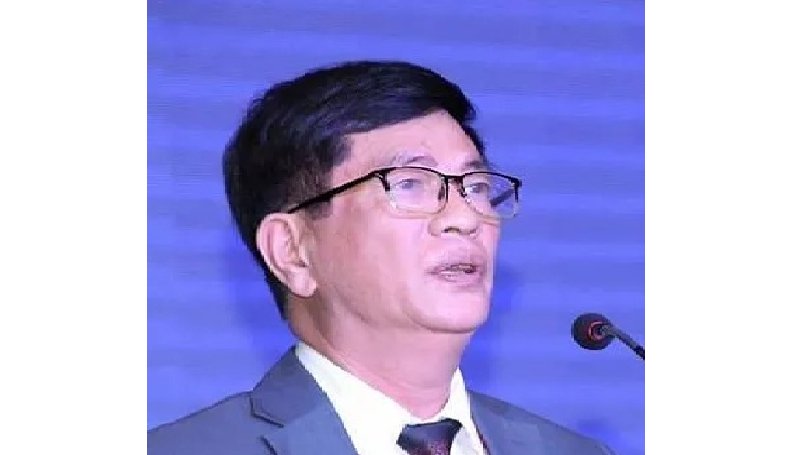
Interview with Prof. Nguyen Canh Toan, Research Fellow at the Institute of European Studies under the Vietnam Academy of Social Sciences, for News.Az.
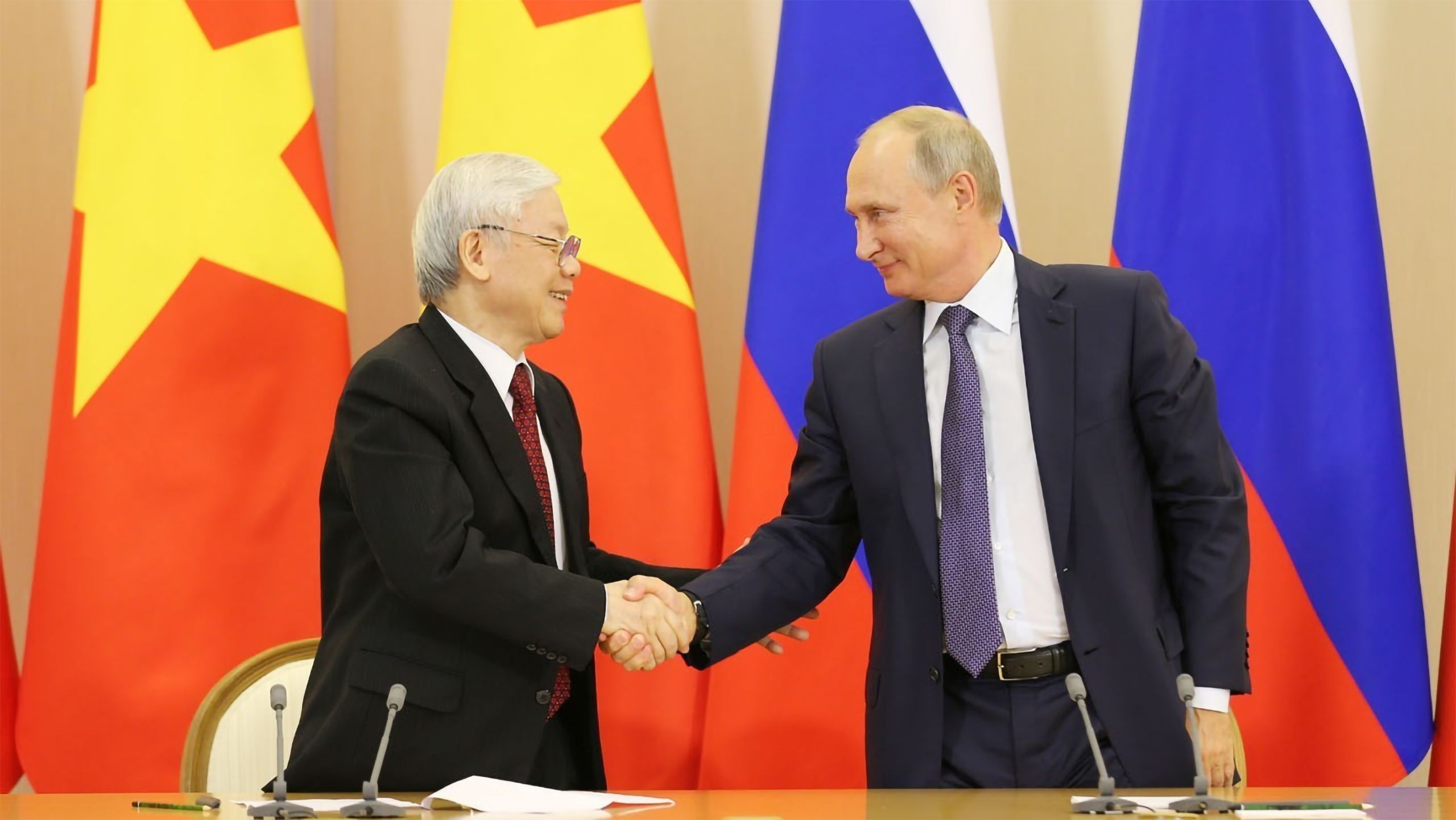
- Russia and Vietnam aim to reach a trade turnover of $15 billion by 2030, implementing a comprehensive cooperation plan, as stated by Russian Prime Minister Mikhail Mishustin during his meeting with the General Secretary of the Communist Party of Vietnam, To Lam. What are the key areas of cooperation between Russia and Vietnam that will help achieve the targeted trade turnover of $15 billion by 2030?
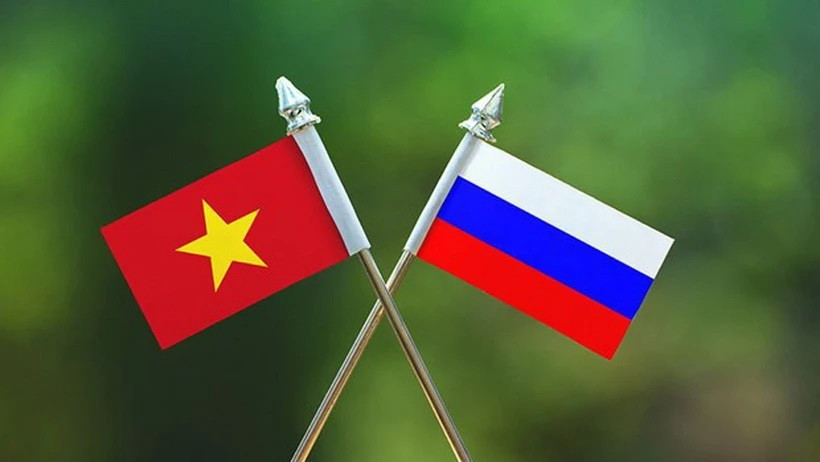
- Russia and Vietnam have set an ambitious goal—to increase bilateral trade volume to $15 billion by 2030. To achieve this, both countries plan to expand cooperation across several key sectors.
One of the most crucial aspects is trade and exports. Russia will continue expanding its supply of energy resources, including oil, gas, metals, chemical products, and machinery. Vietnam, in turn, aims to boost exports of agricultural products such as rice, coffee, and exotic fruits, as well as goods from the light and textile industries. Additionally, special attention will be given to the development of the high-tech sector.
In recent years, Vietnam has been rapidly expanding its role in the global supply chain for electronic products. Notably, the Vietnamese technology company FPT has achieved significant success in digital transformation, substantially increasing exports of semiconductor chips and other high-tech solutions. On international markets, the company competes successfully with leading global corporations, particularly in cloud computing, artificial intelligence, and business process automation. While Vietnam has long been established as a center for electronics manufacturing, it now seeks to move beyond simple assembly operations and emerge as a full-fledged technology hub.
Source: VietnamPlus
Energy remains another vital area of bilateral cooperation. Russia and Vietnam continue to work together on oil and gas projects, as well as on the construction and modernization of energy infrastructure. Furthermore, Russia may assist Vietnam in developing nuclear energy, which would contribute to the country’s energy security.
Technological and innovation cooperation is also of great importance. The two countries plan to strengthen partnerships in information technology, telecommunications, and the implementation of modern digital solutions in industrial sectors.
The expansion of tourism is another tool for strengthening economic ties. Increasing tourist flows between Russia and Vietnam will not only boost trade turnover but also promote cultural and educational exchange programs.
Infrastructure and transportation cooperation is another significant focus. Russia and Vietnam intend to collaborate on the construction and modernization of transport routes, including port terminals and railway networks. This will help accelerate logistics processes and enhance the efficiency of goods delivery.
Military-technical cooperation has traditionally played an important role in bilateral relations. For many years, Russia remained Vietnam’s primary supplier of military equipment. However, in recent years, there has been a trend toward diversifying military procurement. Vietnam is actively developing its own defense industry, and the company Viettel has made significant progress in creating advanced electronic warfare systems, unmanned aerial vehicles, and cybersecurity solutions.
Thus, comprehensive cooperation in energy, technology, agriculture, and infrastructure will lay a solid foundation for achieving the targeted increase in trade turnover between Russia and Vietnam.
-What specific measures are included in the signed action plan and 13 roadmaps to expand economic partnership between the two countries?
Source: VietnamPlus
-Russia and Vietnam have approved a comprehensive action plan for developing bilateral cooperation until 2030. This agreement includes 13 roadmaps aimed at strengthening economic partnership between the two nations. The key objective of these initiatives is to boost mutual trade to $15 billion.
Although the details of all 13 roadmaps have not yet been disclosed, it is known that they cover the main areas of cooperation.
Scientific and technical collaboration is a significant focus of the plans. In particular, a strategy has been approved for developing the Joint Russian-Vietnamese Tropical Research and Technology Center until 2035. This center specializes in tropical ecology, medicine, and materials science.
The humanitarian sector remains a priority in bilateral relations. A roadmap is being developed to include joint scientific research, archaeological expeditions, academic exchanges, and projects in area studies, history, cultural studies, and linguistics.
Education is another key area of cooperation. Both countries plan to intensify collaboration through student and faculty exchange programs, as well as joint research projects.
Tourism is also an important sector. Vietnam and Russia are committed to expanding this field, as evidenced by a significant increase in the flow of Russian tourists to Vietnam—an 85% rise by the end of 2024.
The adopted measures aim to strengthen Russian-Vietnamese partnership and achieve the established economic and strategic objectives in bilateral relations.
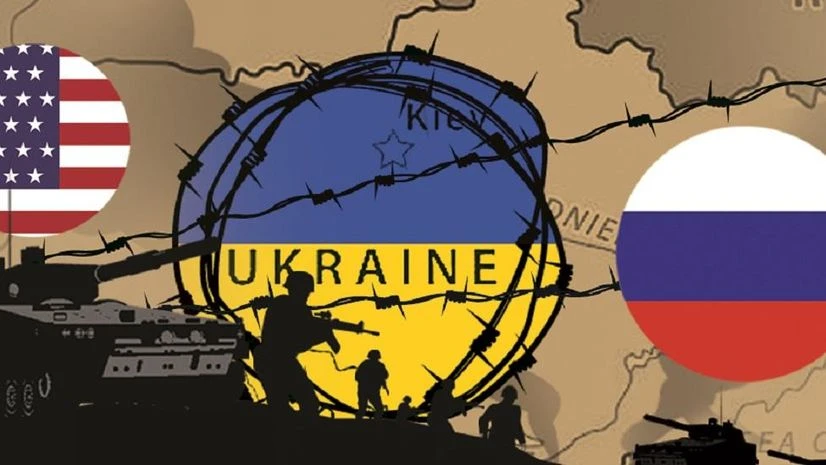
- How is the U.S. involvement in initiating negotiations on resolving the Ukraine conflict perceived in Vietnam? To what extent does this initiative receive support from the Vietnamese leadership and society?
)
Source: Reuters
- Vietnam consistently advocates for a peaceful resolution of the Ukraine conflict, emphasizing the need for dialogue and adherence to international law. The official spokesperson of Vietnam’s Ministry of Foreign Affairs, Pham Thu Hang, reaffirmed the country's willingness to participate in international efforts aimed at finding a sustainable resolution to the Russia-Ukraine crisis.
As part of this policy, Vietnam has offered its territory as a venue for peace negotiations. During a meeting with Ukrainian President Volodymyr Zelensky in Davos, Prime Minister Pham Minh Chinh expressed readiness to facilitate initiatives aimed at peaceful conflict resolution. Vietnamese experts highlight that the country has the necessary diplomatic experience and infrastructure to host international negotiations, citing the successful U.S.-North Korea summit held in Hanoi in 2019.
Regarding the perception of the U.S. role in initiating negotiations on the Ukraine conflict, Vietnam’s leadership emphasizes the need to achieve a fair and lasting peace in accordance with the UN Charter. In a joint statement by U.S. President Joe Biden and General Secretary of the Communist Party of Vietnam Nguyen Phu Trong, the importance of a comprehensive peaceful resolution based on international law was underlined.
Vietnamese society largely supports the country’s official stance. The nation’s historical experience in the struggle for independence and its commitment to peaceful development shape the Vietnamese people's preference for diplomacy and neutrality in international conflicts.
Thus, Vietnam supports initiatives aimed at peacefully resolving the Ukraine conflict, including U.S. efforts, while consistently emphasizing the necessity of adhering to international law and considering the interests of all parties involved.
-Is there a prevailing view in Vietnam that negotiations under U.S. leadership might be biased or serve the interests of only one party in the conflict? What format of resolution would Vietnam prefer?
-In official statements, Vietnam has not expressed concerns about potential bias in the negotiation process under U.S. leadership. The country’s policy is based on supporting any international initiatives aimed at the peaceful resolution of the Ukraine conflict, provided they strictly adhere to international law and the principles of the UN Charter.
Vietnam consistently advocates for diplomatic conflict resolution, emphasizing the necessity of dialogue and the recognition of all parties' legitimate interests. The country has declared its readiness to participate in international mediation efforts aimed at achieving a lasting peace.
Thus, Vietnam prefers a multilateral resolution format that includes all stakeholders and ensures a fair and long-term settlement of the conflict.
-In your opinion, how might the U.S.-led negotiations on resolving the Ukraine conflict conclude? How likely is a long-term ceasefire between Russia and Ukraine?
![Latest on Russia's war on Ukraine [What Think Tanks are thinking] | Epthinktank | European Parliament](https://i0.wp.com/epthinktank.eu/wp-content/uploads/2022/11/EPRS_BRIE_TT_733632_War_Ukraine_six_months_on_final.png?fit=820%2C546&ssl=1)
Source: CNN
-The negotiations on resolving the Ukraine conflict, organized with U.S. participation, could develop according to several scenarios, depending on the positions of the parties involved and international pressure.
One possible outcome is a compromise agreement, involving a ceasefire, negotiations on borders and disputed territories, security guarantees for both Ukraine and Russia, and a potential easing of sanctions against Moscow in exchange for compliance with a peace treaty. However, given the current gap between the positions of the parties, the likelihood of such an agreement remains low.
A more realistic scenario is the conflict transitioning into a frozen phase without final resolution, similar to the situation on the Korean Peninsula after the mid-20th-century war.
Currently, the likelihood of a ceasefire remains low, at least in the short term. Most likely, the negotiation process will be prolonged, and the conflict will gradually shift into a frozen state, with continued political and military confrontation.


Similar news