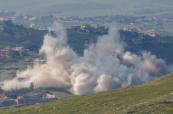
VIDEO: Japan prepares for nuclear deterrence against China and Russia: Ishiba’s new strategy


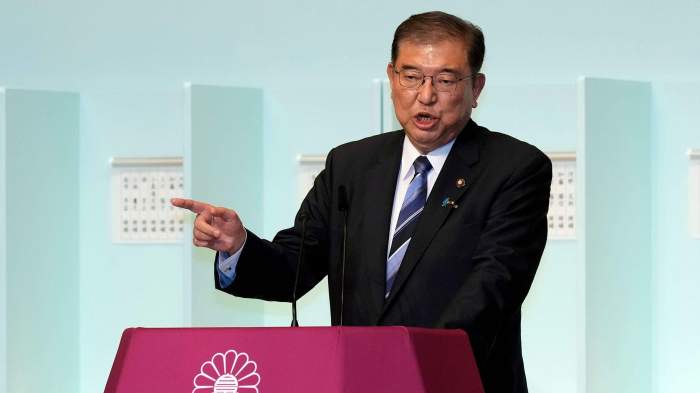

Journalist Kerim Sultanov, in his video report, discusses the significant shifts in Japan's foreign policy and military strategy following Shigeru Ishiba’s appointment as Prime Minister on October 1, 2024. Sultanov highlights Ishiba’s call, in his article for the Hudson Institute, for a potential deployment of U.S. nuclear weapons in the Asia-Pacific region and the creation of an Asian equivalent of NATO. This initiative not only redefines Japan's policy direction but also raises concerns about remilitarization and its impact on regional stability.
For decades, Japan adhered to a pacifist policy enshrined in its Constitution. However, changes in the global political landscape and rising tensions in the region—especially related to China's growing military power and North Korea’s nuclear ambitions—are forcing Japan to reconsider its defense doctrines.Shigeru Ishiba , known for advocating the strengthening of Japan’s defense capabilities, has highlighted the lack of a NATO-equivalent system in the Asia-Pacific region —a collective defense mechanism capable of effectively deterring threats from countries like China, Russia, and North Korea. In his statement, Ishiba openly proposed creating such an alliance in Asia, which could coordinate efforts with the U.S. and potentially use nuclear weapons as a deterrent.
This move marks a dramatic departure from Japan’s post-war “nuclear-free” stance. Despite maintaining close defense ties with the U.S., Tokyo has consistently avoided formal commitments to nuclear arms. However, China's increased military activity, particularly around the disputed Senkaku Islands, and North Korea’s nuclear ambitions have shifted Japan's priorities.
China views the strengthening of U.S.-Japanese defense relations as a direct threat to its regional dominance. In recent years, China has pursued an increasingly aggressive policy in the South China Sea and around the Senkaku Islands, which Japan claims as its own. This growing tension amplifies Japan's need for security guarantees and a means of deterring potential threats.
Meanwhile, China and Russia continue to bolster their military cooperation through joint exercises and a strengthening strategic alliance. In this context, Ishiba’s proposal for an Asian NATO-like alliance becomes particularly relevant. If China and Russia continue to act in close coordination, regional countries will be forced to seek ways to protect their interests. Ishiba's proposal is seen as a response to these shifting international dynamics.


Similar news