The current phase of the Russia–Ukraine conflict is marked by intensified military operations, rising tensions, and an uncertain outlook for negotiations. Both sides accuse each other of conducting major strikes as the struggle for territorial control continues. Against this backdrop, the regional security environment is growing increasingly fragile, while economic and humanitarian risks are deepening. The timing and conditions under which peace may be achieved remain unclear and continue to rank among the key issues on the international agenda.
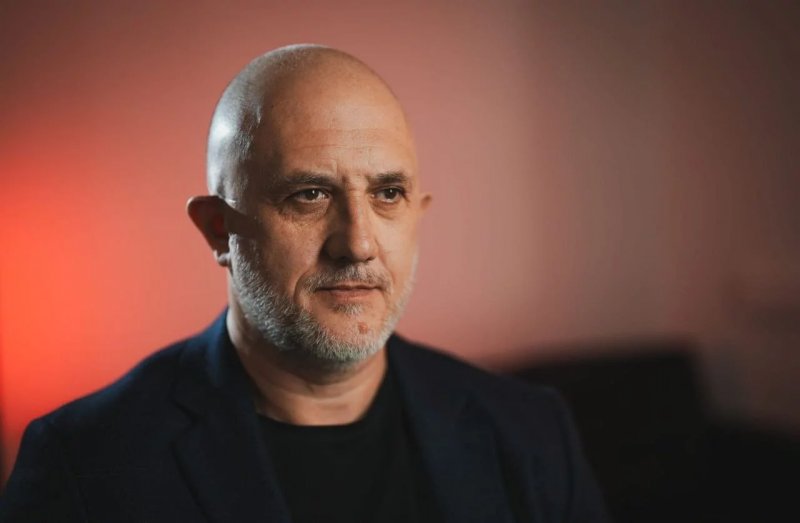
To assess the current state of the war and the potential impact of recent statements by both sides on the trajectory of military and political developments, the News.Az analytical portal interviewed Russian military expert and political analyst Yevgeny Mikhailov.
– Mr. Mikhailov, how would you characterize the current state of the Russia–Ukraine conflict?
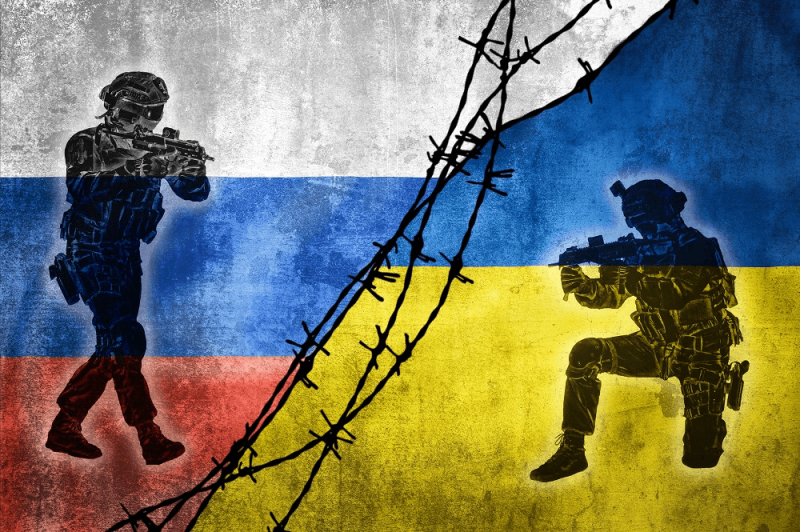
Source: Reuters
– The current situation represents a complete failure of the Armed Forces of Ukraine and is marked by large-scale successes by the Russian Federation, both tactically and in broader operational terms. At this stage, I see absolutely no reason for Russia to insist on the withdrawal of Ukrainian forces from Donbass.
In the near future, the Slovyansk–Kramatorsk grouping of Ukrainian troops and the remaining forces in the area will be destroyed or taken prisoner. These are the realities of the current situation. We are achieving successes in Zaporizhzhia and in the Dnipropetrovsk region.
We have already approached the city of Sumy, with only about 20 kilometers remaining. We are delivering retaliatory strikes on Ukraine’s port infrastructure in response to attacks on our tankers, thereby depriving Ukraine of foreign currency revenues and limiting its ability to receive weapons and other assistance from Western partners. Overall, the situation can be described as catastrophic for Kyiv.
– Ukraine’s President Volodymyr Zelensky has stated that the war may conclude in 2026, noting that the size of the Russian Armed Forces has, for the first time, stopped increasing. How would you evaluate this assertion?
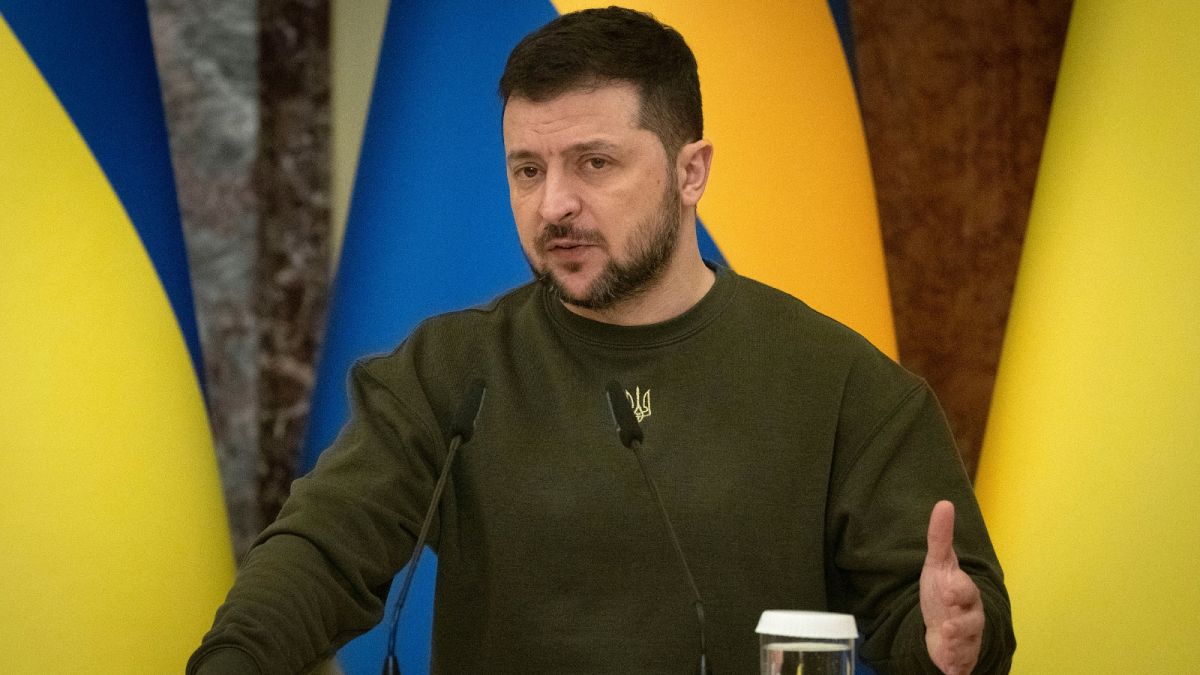
Photo: Ukrainian President Volodymyr Zelensky
– I would not even discuss Zelensky’s statements at this point. They mean nothing, particularly for me as a political scientist. In general, few people are paying attention to his words anymore, including his allies, whom he has put at risk through some of his actions, especially in light of the attempted strike on the residence of the President of the Russian Federation, Vladimir Putin.
If the war does end in 2026, it will end either with the complete defeat and capitulation of Ukrainian forces or with the signing of a peace treaty under conditions far harsher than those previously proposed. The longer Zelensky and his partners delay, the tougher Russia’s position will be at the negotiating table.
– How would you comment on the reported attack on the residence of the President of the Russian Federation in the Novgorod region?
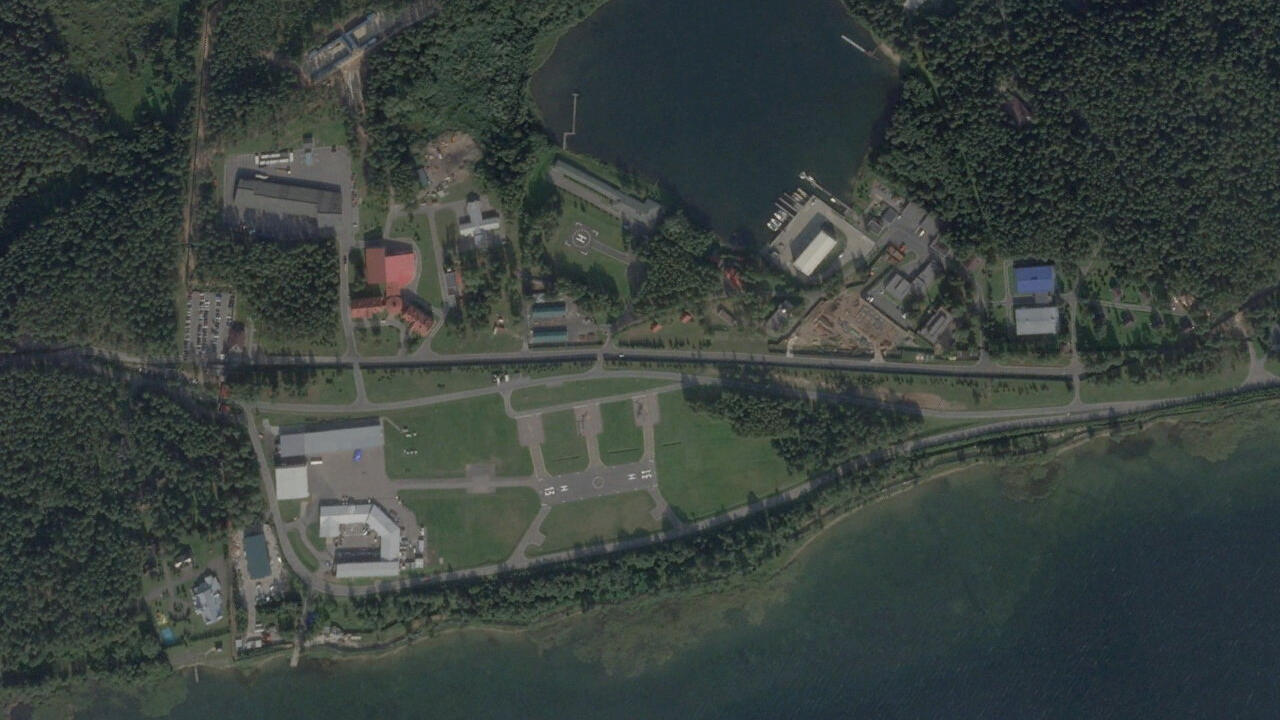
Source: France 24
– There has never been a case like this before. War is war, but there are certain red lines.
A strike on the president’s residence effectively removes all remaining restraints on the Russian military. We are preparing a retaliatory strike, and it will be severe.
Against the backdrop of the strikes we are already conducting, Ukraine’s Western partners must recognize what the Russian Federation is capable of. Moreover, our leadership recently stated that Russia still has several “surprises” in reserve for the international community observing its armaments. It is quite possible that these will now be demonstrated.
Outrage over the attack has already been expressed by many world leaders, including those from neutral countries and the Global South. Even Donald Trump voiced outrage, particularly since the incident reportedly occurred shortly after his negotiations with Zelensky. This can be seen as a direct challenge — a slap in the face to Trump — from Zelensky, who continues to operate under the assumptions of 2022, when he received widespread international support and encouragement to pursue the war.
– The Kremlin has stated that Russia’s negotiating position on Ukraine will be toughened. In your view, what is driving this shift?

Photo: Dmitry Peskov, Press Secretary of the Russian President
– Indeed, Russia’s position will become tougher. This is driven primarily by what we view as Ukraine’s terrorist activities on Russian territory and by strikes that go beyond all reasonable limits.
In the eyes of Russian leadership and Russian citizens, the Ukrainian regime has effectively transformed into a terrorist organization — the largest, one could say, in Eurasia. As a result, our negotiating stance will be hardened. I reiterate: Russia will liberate Donbass independently. We no longer require Ukrainian troop withdrawals — we will simply destroy the remaining forces. The current dynamics on the front line are developing precisely in this direction.
– Over the past week, both sides have reported an intensification of hostilities. In your view, what is Moscow’s priority at this stage: territorial expansion or strengthening its negotiating position?
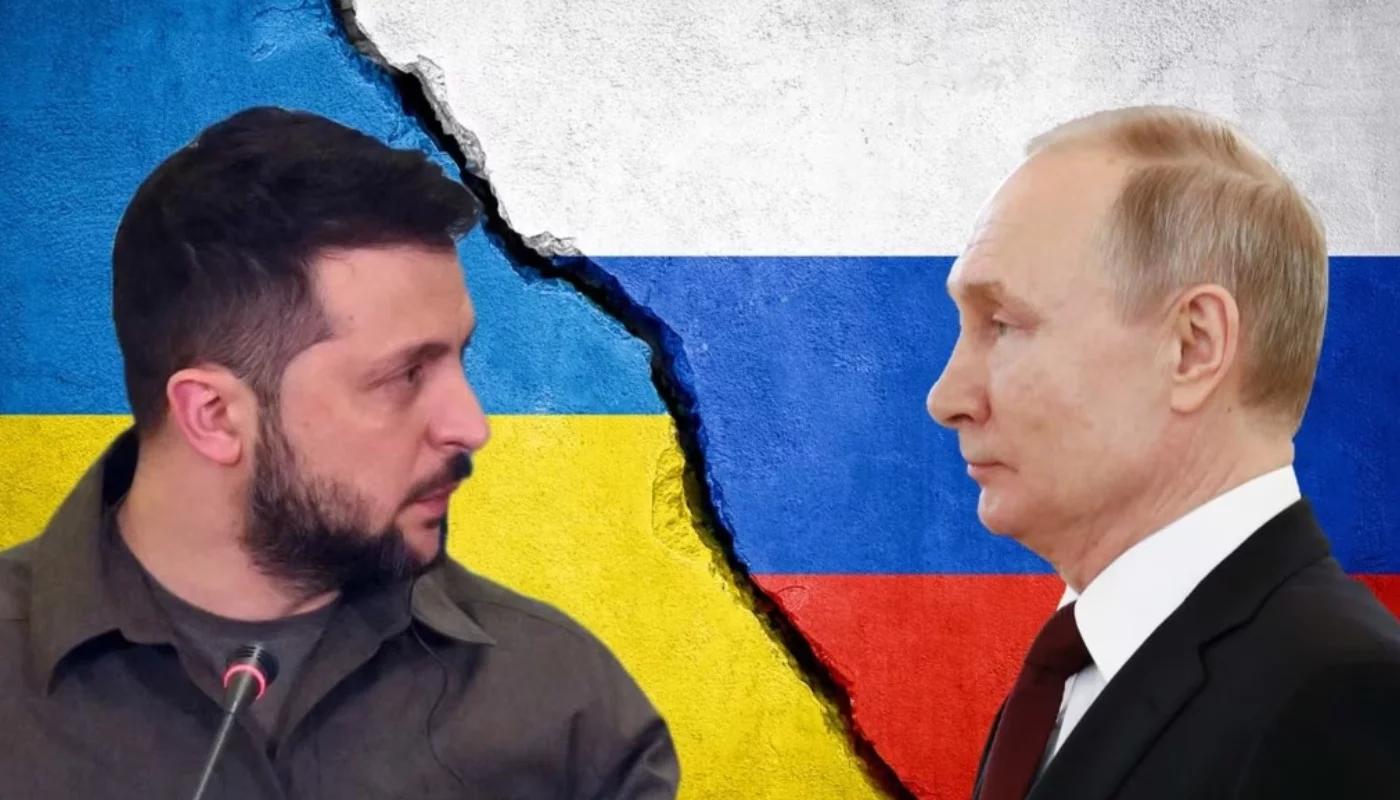
Photo: Ukrainian President Volodymyr Zelensky and Russian President Vladimir Putin
– Moscow’s priority is territorial control: the liberation of Donbass, the creation of a buffer zone, and the expansion of controlled territory. Strengthening Russia’s negotiating position follows directly from this. The more territory we liberate and bring under control, the stronger our negotiating position becomes. At present, military action is shaping the conditions for diplomacy.
The longer Kyiv delays, the worse its negotiating position becomes, and this is increasingly acknowledged internationally. The intensification of hostilities has primarily occurred on the Russian side. Daily reports from the Ministry of Defense confirm the liberation of settlements, including major cities and fortified positions.
Under these circumstances, there is no incentive for Moscow to engage in negotiations that are not in its interest. This is also understood in the United States, where it has been stated that coordination with Kyiv will continue toward the end of January. In practice, these are negotiations for the sake of negotiations, while Moscow continues to achieve further successes in the zone of the special military operation.
– Finally, how would you assess the prospects for achieving a negotiated peace in the foreseeable future?
Source: BBC
– Peace will eventually be achieved. The main question is timing. Another factor is whether Russia will face provocations in other regions, because we are currently defeating the West in Ukraine, and provocations in the post-Soviet space remain possible.
Russian society is fully mobilized. Defense production has increased manyfold. Salaries have risen, and unemployment is minimal. In this context, I believe that within Ukraine, those who are capable of removing Zelensky and negotiating with the Russian Federation are increasingly interested in peace.
Russia is also interested, but on its own terms. These terms are becoming tougher by the day and may ultimately lead to only one outcome: the capitulation of Ukraine.
News.Az



.png)