Russia–Ukraine war: Latest development over the previous day


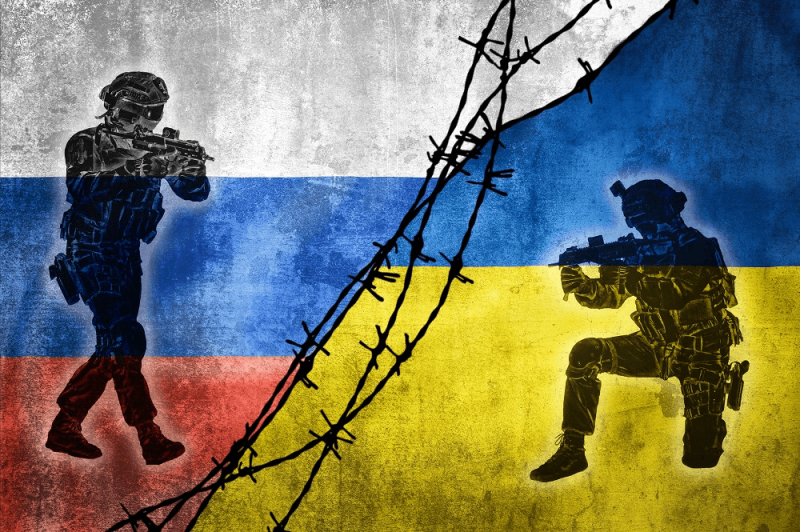
The Russia–Ukraine war entered another turbulent 24 hours marked by intensified military activity, strategic political decisions and ongoing diplomatic maneuvers as the conflict continues into its fourth year, News.az reports.
The latest period saw new announcements from both Moscow and Kyiv, heightened battlefield engagements, international reactions, and renewed attention on the prospects for peace.
Russian military leadership announced plans to expand what it calls a territorial buffer zone in northeastern Ukraine, particularly in the Sumy and Kharkiv regions. President Vladimir Putin has reportedly ordered officials to extend control over strategic areas near the border. Russian commanders argue that the buffer zone is intended to protect Russian territory, especially regions such as Belgorod and Kursk, from cross-border attacks. Ukrainian President Volodymyr Zelensky described the concept as irrational and a pretext for further territorial expansion by Russia.
Russia also signaled a deepening of its military cooperation with Belarus, confirming the deployment of a number of nuclear-capable missile systems on Belarusian territory. Belarusian President Alexander Lukashenko welcomed the move, presenting it as a strengthening of military ties and a deterrent against external threats. Western analysts warned that placing such weapons in Belarus increases the risk of escalation and further embeds Belarus in Moscow’s military orbit. Ukraine criticized the deployment as an attempt to intimidate Europe and undermine peace initiatives.
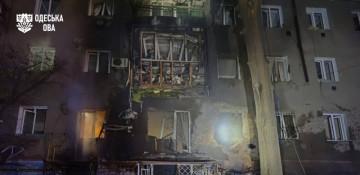
In the Black Sea region, Russian drone and missile attacks struck key Ukrainian port facilities, including infrastructure at the Pivdennyi and Chornomorsk ports. Several civilian cargo vessels transporting grain were reported damaged. Ukrainian authorities condemned the strikes, saying they threaten global food security as well as Ukraine’s economy, given the country’s key role as a grain exporter. Although repairs began quickly, port operations reportedly continued at a reduced capacity.
Ukraine carried out counter-strikes in response. Ukrainian drones and missiles targeted infrastructure across parts of western Russia and Crimea, including a reported attack on energy facilities in the Krasnodar region. These actions illustrate Kyiv’s continued ability to project force beyond the immediate front line despite the ongoing strain on its military resources.
Russian authorities also reported a major power outage affecting parts of Moscow following what they said was a large-scale Ukrainian drone attack. Local media described widespread electricity disruptions and a fire at an energy substation. Residents across several districts reportedly experienced temporary blackouts. Ukrainian officials did not directly comment on the incident but rejected separate Russian claims of an attempted drone strike on President Putin’s residence, dismissing them as propaganda intended to influence public opinion and peace discussions.
On the political front, President Zelensky reiterated that Ukraine relies heavily on continued support from the United States and other Western allies, particularly in areas such as air defense and long-range missile systems. He warned that without sustained assistance, Ukraine’s ability to hold territory and push back Russian forces would be severely weakened. Zelensky also said he sees no evidence that Russia is genuinely interested in ending the war on terms that respect Ukraine’s sovereignty and territorial integrity.
Diplomatic exchanges between Kyiv and international leaders have continued. Discussions around a proposed peace framework reportedly include security guarantees, demilitarized zones, and conditions for a ceasefire. Ukrainian officials have stated that while they remain open to negotiations, any eventual agreement must respect Ukraine’s internationally recognized borders.
In Moscow, the Kremlin signaled what it called a tougher stance in peace discussions. Russian officials linked this to what they described as Ukrainian drone attacks on Russian leadership and territory, accusations that Kyiv continues to deny. Analysts suggest that Moscow’s statements may be intended to strengthen its bargaining position rather than signal a real shift toward a political settlement.
On the ground, Russian forces claimed incremental gains in parts of eastern and southern Ukraine, including limited advances in the Zaporizhzhia and Kharkiv regions. Fighting along the front lines remained intense, with artillery duels, drone warfare, and missile strikes continuing on both sides. Independent verification of battlefield developments remains difficult because of restricted access and competing claims.
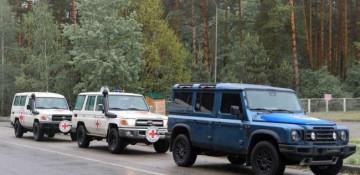
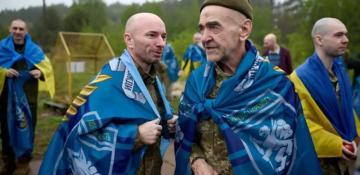
Humanitarian concerns remain severe. Civilian casualties, damaged housing, and mass displacement continue to be reported across multiple regions. Periodic prisoner exchanges between Russia and Ukraine have provided the only limited moments of relief, reuniting captured soldiers and some civilians with their families. However, broader humanitarian conditions remain dire, with millions still affected by power shortages, limited access to healthcare, and disrupted education.
The economic implications of the conflict continue to ripple beyond the battlefield. Global grain markets remain sensitive to disruptions in Ukrainian exports, especially after the latest attacks on ports. Meanwhile, ongoing sanctions, energy market volatility, and defense-related spending are reshaping economic policy and trade flows across Europe and beyond.
In summary, the past day in the Russia–Ukraine war was characterized by heightened military activity, new strategic deployments, infrastructure damage on both sides, and continued diplomatic pressure. Despite periodic discussions about possible peace plans, neither side shows clear signs of stepping back from military confrontation in the near term. As the conflict persists, the humanitarian, economic, and geopolitical consequences continue to grow, leaving the international community searching for ways to prevent further escalation while supporting long-term stability in the region.


Similar news