Asia-Pacific Summit sees cultural, creative sectors as growth drivers


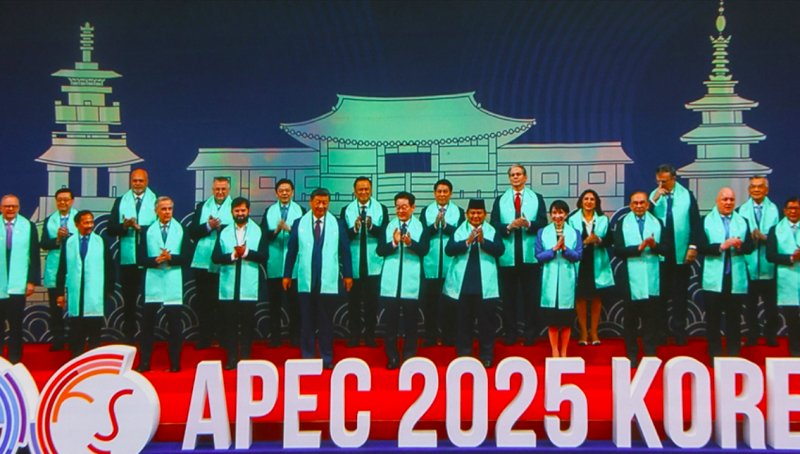
Leaders of the Asia-Pacific Economic Cooperation (APEC) bloc wrapped up their summit in Gyeongju, South Korea on Saturday with a declaration that puts cultural and creative industries at the heart of the region’s future economic strategy, marking the first time the sector has been recognized as a core growth driver.
The agreement followed two days of talks among representatives from the 21-member group, held under this year’s theme of “Connectivity, Innovation, and Prosperity.” The final statement emphasized deepening economic cooperation across the Pacific amid a shifting global landscape and heightened geopolitical competition, News.Az reports, citing foreign media.
“We reaffirm our shared recognition that robust trade and investment are vital to the growth and prosperity of the Asia-Pacific region,” leaders said, stressing stronger partnerships to navigate economic uncertainty. The declaration highlighted priorities such as trade, digital innovation, and inclusive development while acknowledging the role of science and technology in creating new engines of growth.
In a notable first, the document explicitly called out cultural and creative industries as a significant force for economic expansion. APEC leaders praised the sector’s growing contribution to jobs, innovation, and soft-power influence, while underscoring the need for solid intellectual-property protections to support it.
South Korea — hosting the summit — secured approval of two additional policy initiatives: one focused on cooperation in artificial intelligence and another aimed at addressing demographic shifts across the region, including aging populations and workforce challenges.
Although U.S. President Donald Trump spoke to business leaders ahead of the summit, he left South Korea before the final leaders’ session began. Casey Mace, a senior U.S. diplomat, represented Washington during the closing discussions.
With the creative economy now formally on APEC’s economic agenda — alongside traditional pillars like trade and technology — members signaled a broader vision for Asia-Pacific growth. In a region powering global entertainment, digital media, gaming, design, and cultural tourism, the move sends a strong message: economic dynamism isn’t just about factories and exports anymore, but also ideas, culture, and creativity.


Similar news