Asif Noor: Diplomacy is still possible, but TTP must be addressed first - INTERVIEW


.png)

The latest escalation along the Pakistan–Afghanistan border has brought long-standing security and political tensions between the two neighbours to a dangerous new level. Several days of airstrikes, artillery exchanges, and infantry assaults have underscored unresolved disputes over the Durand Line, the Taliban’s stance toward Tehreek-e-Taliban Pakistan (TTP), a Pashtun militant group operating along the Afghan–Pakistani border, and the fragility of existing border management mechanisms. These developments have disrupted trade, displaced border communities, and raised the spectre of a wider confrontation if de-escalation efforts fail.
To better understand the causes, dynamics, and possible outcomes of this volatile situation, the News.Az analytical portal spoke with Muhammad Asif Noor, a Pakistani political analyst and Director of the Center for Central Asia and Eurasian Studies at the Institute of Peace and Diplomatic Studies, who provided an in-depth assessment of the security challenges, political disagreements, and future scenarios facing both countries.
- What are the main reasons behind the recent clashes on the Pakistan–Afghanistan border? What events triggered this escalation?
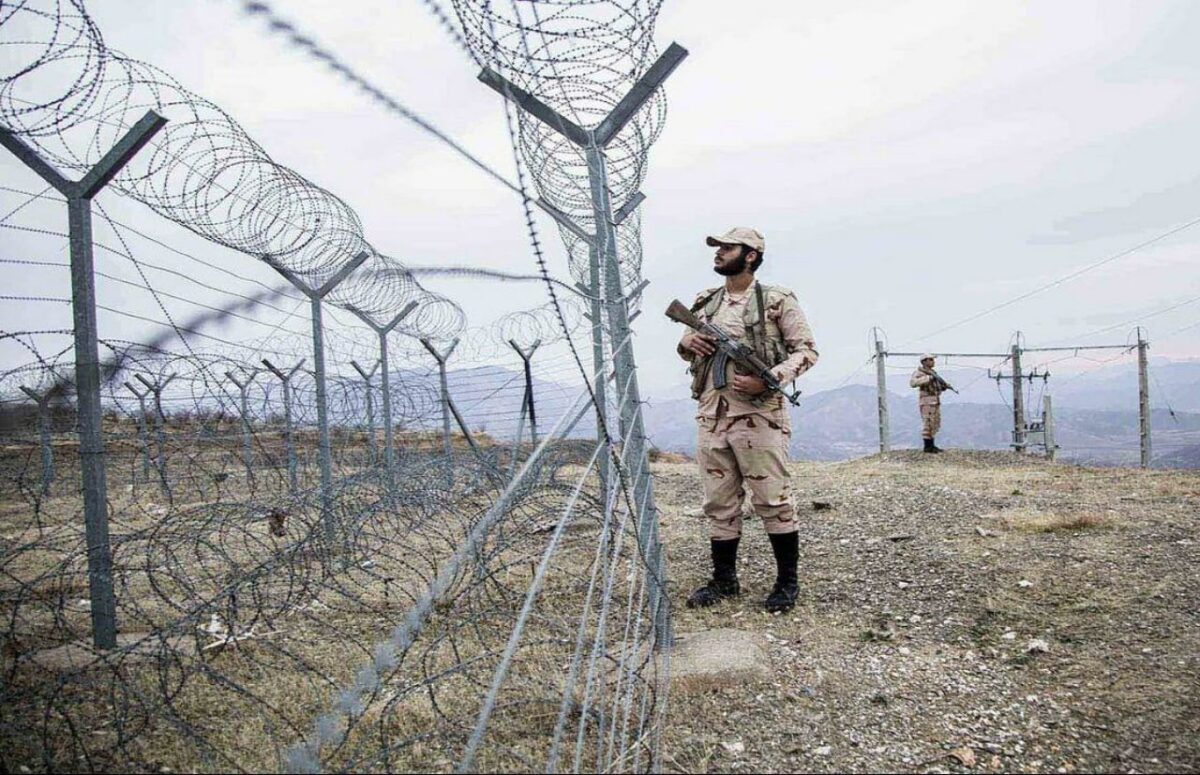
- The core reason for the conflict between Pakistan and Afghanistan is the continued ability of Tehreek-e-Taliban Pakistan (TTP) to operate against Pakistan from Afghan territory. Pakistani intelligence investigations have established that acts of terrorism in the Khyber Pakhtunkhwa region are planned, directed, and executed from across the border in Afghanistan.
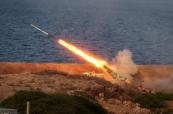
Source: AMU TV
It is Pakistan’s consistent position that the Taliban regime in Kabul provides safe havens to the Tehreek-e-Taliban Pakistan (TTP), a banned militant group responsible for a surge in attacks inside Pakistan, with more than a 50 percent increase in 2025 alone, including bombings and assaults that have killed hundreds of civilians and security personnel. Islamabad views these attacks as direct threats to its sovereignty, exacerbated by the Taliban’s post-2021 takeover, which has failed to dismantle TTP networks despite earlier diplomatic pledges under various security frameworks. Pakistan has repeatedly conveyed its concerns to the Afghan Taliban, but these efforts have so far yielded no tangible results.
The immediate spark came on October 9, 2025, when Pakistan launched airstrikes deep inside Afghan territory targeting TTP leader Noor Wali Mehsud and his associates in Kabul (near Abdul Haq Square), Khost, Jalalabad, and Paktika provinces. These precision strikes, which reportedly killed two senior TTP commanders and destroyed 21 training camps, were justified by Islamabad as a response to “imminent threats” from TTP sanctuaries, following a deadly October 10 assault by the group on a Pakistani police training academy that left 23 security personnel and three civilians dead.
Clashes erupted on October 11, with Afghan forces launching artillery and infantry attacks on Pakistani positions in Helmand, Kandahar, Khost, and Paktika. Pakistan retaliated forcefully, reporting that 200 Taliban and TTP fighters had been neutralized, 19 Afghan outposts seized, and key Taliban infrastructure destroyed, while acknowledging the loss of 23 of its own troops. By October 12, Pakistan had fully sealed the border at key crossings such as Torkham and Chaman, as heavy exchanges of fire continued overnight with no ceasefire in place. Reports also emerged of Pakistan initiating a new air operation, Khyber Storm, aimed at eliminating remaining TTP holdouts.
This escalating cycle of retaliation has prompted international calls for restraint from mediators such as Qatar and Iran, though the fluid standoff continues to risk a wider, low-intensity conflict.
- How do disagreements over the Durand Line contribute to the current tensions? How different are the two countries’ positions on the border issue?
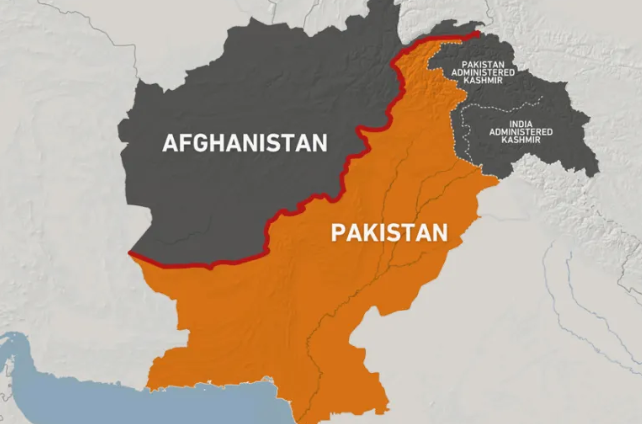
- The Durand Line — a 2,640-kilometer (1,622-mile) border drawn in 1893 by British colonial authorit- ies between British India (now Pakistan) and the Emirate of Afghanistan — remains one of the most contentious legacies of imperial rule in South Asia. It has long been a flashpoint in bilateral relations, contributing significantly to the October 2025 border clashes by heightening perceptions of sovereignty violations and enabling cross-border militancy.
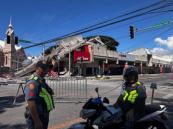
Source: shiawaves
Pakistan and Afghanistan hold fundamentally irreconcilable positions on the Durand Line, reflecting divergent interpretations of history, sovereignty, and security priorities. Pakistan upholds the Durand Line as a permanent international boundary, with 98 percent of border fencing completed by 2024 to curb smuggling, narcotics trafficking (90 percent of global heroin moves through Afghan routes), and militancy — a policy that has reduced cross-border incidents by 40 percent and aligns with UN Security Council Resolution 1373 mandating counterterrorism cooperation.
In contrast, the Taliban regime’s refusal to recognize the Line is viewed by Pakistani officials as a deliberate tactic to fuel Pashtun separatism and shelter TTP affiliates — an estimated 70 percent of whom are Afghan national, while rejecting bilateral treaties and loya jirga precedents. Pakistan’s Foreign Minister Ishaq Dar has publicly highlighted this asymmetry, noting that Islamabad continues to seek dialogue through mechanisms such as the Quadrilateral Coordination Group. Afghan resistance to recognizing the border invites recurring skirmishes, as seen in the October 11–12 clashes, during which Pakistani forces neutralized 200 Taliban-linked fighters and seized 19 outposts in self-defense.
This difference is not ethnic but ideological. Pakistan prioritizes mutual security and trade, valued at $2.5 billion annually, whereas Kabul’s position risks regional instability, including potential refugee crises affecting the 1.4 million Afghans currently hosted by Pakistan.
- What role does the Taliban’s stance toward the TTP play in this situation? What are Pakistan’s main security concerns in this regard?
- The Taliban’s protective and ideologically aligned stance toward the TTP, often described as “fraternal” due to shared Pashtun roots, anti-Pakistan rhetoric, and Sunni Deobandi ideology, has been a central catalyst in the October 2025 border escalation. This approach has effectively enabled TTP operations while shielding the group from Pakistani reprisals.
Since the Taliban’s return to power in 2021, Kabul has consistently refused to designate the TTP as a terrorist organization or dismantle its estimated 6,000–7,000 fighters based in safe havens across Afghan provinces such as Khost, Paktika, and Kunar. Instead, the Taliban view the group as ideological kin united against a “common enemy” in Islamabad. This leniency has played a direct role in triggering the current clashes.
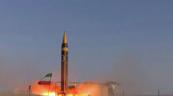
 Source: Tribune
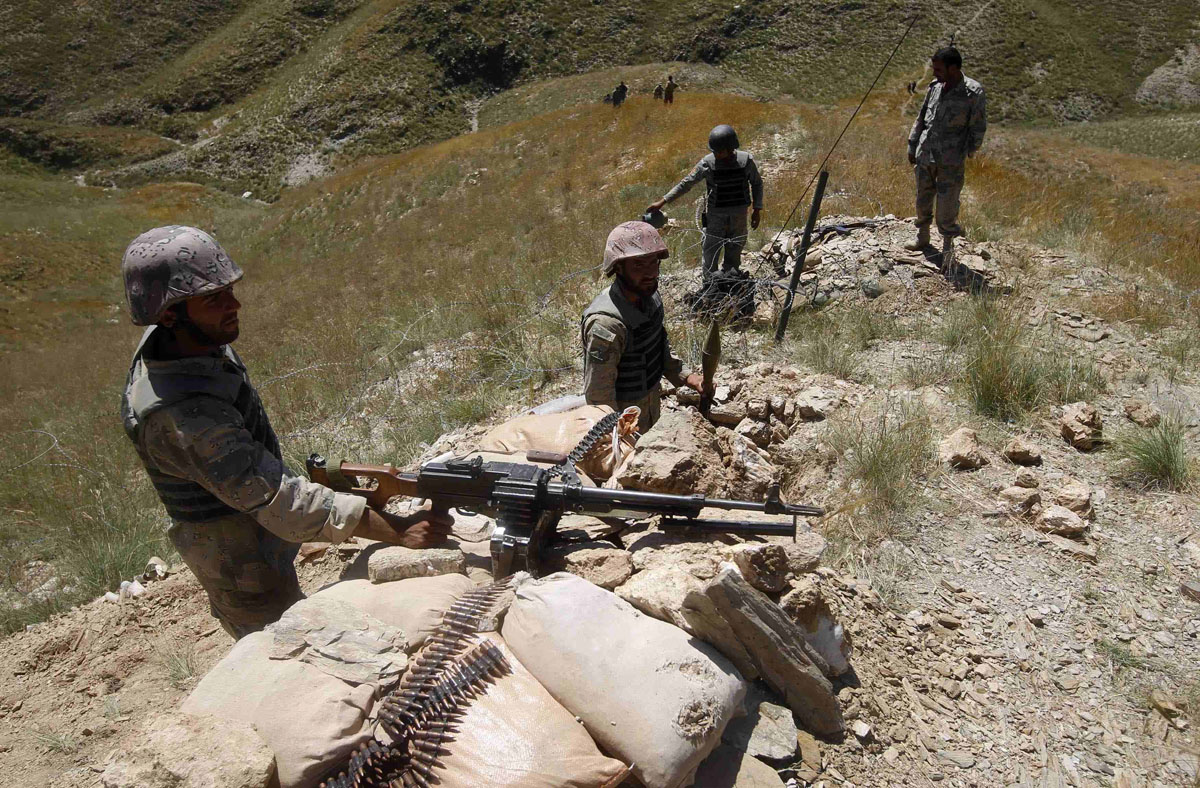
Pakistan perceives the TTP, bolstered by Taliban support, as its most acute non-state threat, with more than 600 attacks or clashes recorded in the past year alone, surpassing all of 2024 by mid-2025. The porous Durand Line allows TTP fighters to retreat to Afghan sanctuaries after attacks, enabling a resurgence that has expanded violence into southern districts such as Bannu and Dera Ismail Khan, which now account for 60 percent of TTP activity. These attacks include tactical strikes on security forces, off-duty personnel, and civilians, including polio workers and tribal elders, with civilian-targeted incidents rising more than elevenfold since 2021.
The TTP exploits Pashtun grievances stemming from the 2018 FATA merger, including delayed development and alleged abuses by security forces, to recruit members and propagate Pashtun nationalism. This undermines state authority, fosters local militias, and risks a protracted insurgency in the absence of political resolutions.
Pakistan has avoided large-scale operations like Zarb-e-Azb due to public backlash, financial costs, and the risk of mass displacement, instead relying on localized strikes that have proven ineffective over the long term. The recent clashes have already caused significant casualties, including 23 Pakistani personnel killed in the latest exchanges, diverted resources from other security fronts such as Balochistan, and threatened trade routes under the China-Pakistan Economic Corridor (CPEC).
Smuggled U.S. and NATO weapons transiting through Afghanistan have further bolstered TTP capabilities, while Taliban-supported attacks erode military morale and public trust, raising concerns in Islamabad about potential foreign interference, including alleged Indian proxy involvement.
- How have these border clashes affected trade routes, refugee movements, and the daily lives of people living in border areas?
- The recent border clashes, culminating in overnight exchanges on October 11–12, 2025, have led to the immediate closure of major crossings along the 2,640-kilometer border, severely disrupting bilateral trade worth over $2.5 billion annually. Key points such as Torkham (linking Khyber Pakhtunkhwa to Nangarhar) and Chaman (connecting Balochistan to Kandahar) were sealed by Pakistan on October 12, leaving thousands of trucks carrying goods, including fruits, vegetables, cement, and textiles, stranded.
The closures pose a significant threat to the China-Pakistan Economic Corridor (CPEC), as alternative routes through Afghanistan have become increasingly risky amid escalating violence, potentially raising transportation costs by 20–30 percent and worsening inflation in border regions. Local traders report daily losses of up to $10 million and are calling for a swift reopening to avert a humanitarian and economic crisis.

Source: Arabnews
While the clashes have not yet triggered a large-scale new exodus, they occur against the backdrop of Pakistan’s ongoing deportation campaign, which has forcibly returned over 1 million Afghan refugees since late 2023, including 2.5 million in 2025 alone. Border closures have left thousands of undocumented Afghans attempting to flee violence or economic hardship stranded in no-man’s-land camps near Torkham and Chaman. Reports indicate that these vulnerable groups face heightened risks of crossfire, with the UNHCR warning of potential spikes in displacement if fighting continues.
On the Afghan side, retaliatory strikes have displaced families from Kunar and Nangarhar provinces, pushing an estimated 5,000–10,000 people toward internal relocation or hazardous border crossings. This dynamic threatens to reverse fragile repatriation efforts, as fear of airstrikes discourages returns and leaves refugees in limbo amid shortages of food and shelter.
Communities in Pakistan’s Khyber Pakhtunkhwa (e.g., Kurram and Bajaur) as well as Afghanistan’s eastern provinces (Kunar and Nangarhar) are enduring severe disruptions from intensified shelling and gunfire, which have confined residents indoors for hours and shattered daily routines. Schools and clinics in border villages remain closed, water supplies are intermittent due to damaged infrastructure, and locals are mobilizing to supply troops with food, creating a siege-like atmosphere. Women and children are particularly affected, facing increased gender-based risks amid restricted mobility, while the economic fallout from trade halts has driven food prices up by 15–20 percent in these areas.
- Could this escalation turn into a prolonged conflict, or is a diplomatic resolution still possible? What realistic options do both sides have to de-escalate?
- A diplomatic resolution remains possible. Recently, Qatar and Saudi Arabia mediated a ceasefire between the two sides, though the situation on the ground remains volatile. The likelihood of a prolonged conflict is low, as Afghanistan’s forces are disorganised and not trained for conventional warfare, while Pakistan holds a dominant position. The Afghan Taliban’s strength lies in guerrilla tactics, which limits Afghanistan’s ability to sustain a border conflict with Pakistan.

Source: Alarabiya
Ultimately, both countries are left with one option: to discuss the future of the TTP. Pakistan should pursue a formal ceasefire agreement with Kabul after securing assurances on effective border management and preventing Afghan nationals from joining the TTP’s ranks. The Afghan Taliban, for their part, must publicly commit to monitoring or relocating TTP fighters from border provinces, potentially under UN oversight, to address Pakistan’s core concerns, though internal divisions may limit the scope of any crackdown.
At the next stage, guarantees should be obtained to ensure that the TTP is not allowed to use Afghan territory against Pakistan. Given the current pace of Pakistani security operations, it appears Islamabad is seeking to raise the cost of conflict for Kabul to the point of capitulation. The next 72 hours will be crucial in this regard.
In the long term, it is imperative that both Afghanistan and Pakistan shift their focus from a security-centric to a trade-centric approach. Prioritising bilateral economic growth could create a shared and powerful incentive for maintaining stable and peaceful border management.


Similar news