Azerbaijan: A universal model of multiculturalism and peace


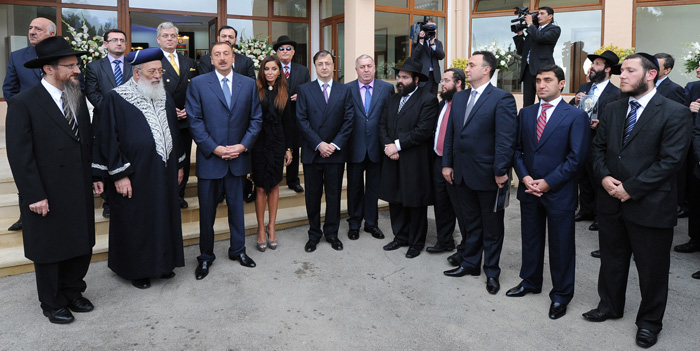
In a world often fractured by ethnic and religious divisions, Azerbaijan stands as a shining example of how diversity can be a source of unity and strength.
For centuries, this South Caucasus nation has cultivated an environment where people of different ethnicities, religions, and cultures coexist harmoniously. Azerbaijan’s enduring commitment to tolerance and inclusivity has established it as a model for peaceful multiculturalism—not only in its region but globally.
Azerbaijan’s multicultural ethos is deeply rooted in its history as a crossroads of civilizations. The ancient Silk Road brought a steady flow of peoples, languages, and religions through its lands, fostering a spirit of openness and coexistence. This legacy continues to shape Azerbaijan’s national identity, where diversity is embraced rather than feared.
Modern Azerbaijan reflects this harmony through its policies and everyday realities. The Constitution guarantees equality for all citizens, regardless of ethnicity, religion, or language. Ethnic Azerbaijanis live side by side with Jews, Russians, Lezgins, Talysh, Kurds, and many others, creating a society where mutual respect is woven into the fabric of daily life. Religious festivals, national holidays, and cultural traditions are celebrated inclusively, reinforcing the sense of unity that defines Azerbaijani society.
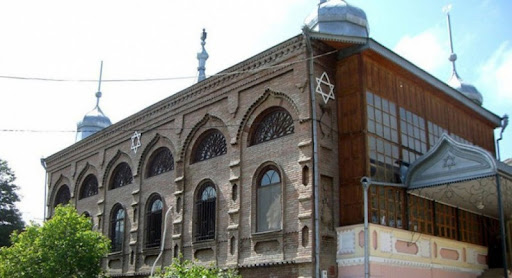
Among Azerbaijan’s many communities, the Jewish population offers a compelling testament to its multicultural model. Jewish presence in Azerbaijan dates back over two millennia, with Mountain Jews—speakers of Judeo-Tat—establishing peaceful settlements in the country’s mountainous regions. Unlike many places where Jews faced discrimination, Azerbaijan provided a safe haven, allowing Jewish culture to flourish.
 President.az
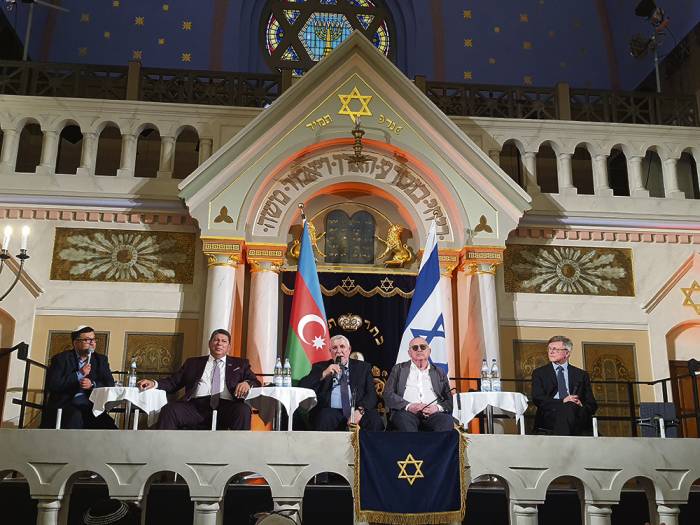
During the Soviet era, Azerbaijan remained one of the few republics where anti-Semitism was less prevalent. Jewish individuals played vital roles in education, arts, and business, thriving in a relatively tolerant environment. Today, synagogues, schools, and cultural institutions continue to flourish, supported by a government committed to preserving religious freedom.
The Second Karabakh War in 2020 further underscored Azerbaijan’s unity and inclusivity. In defending its sovereignty, the nation saw volunteers from various ethnic and religious backgrounds—including Jewish citizens—joining the military ranks. Jews fought alongside Azerbaijanis, Lezgins, Talysh, and even Armenians under one flag, demonstrating that patriotism transcends ethnicity or faith. This solidarity sent a powerful message: loyalty to the nation is rooted in shared values, not in cultural or religious divides.
 multikulturalizm.gov.az
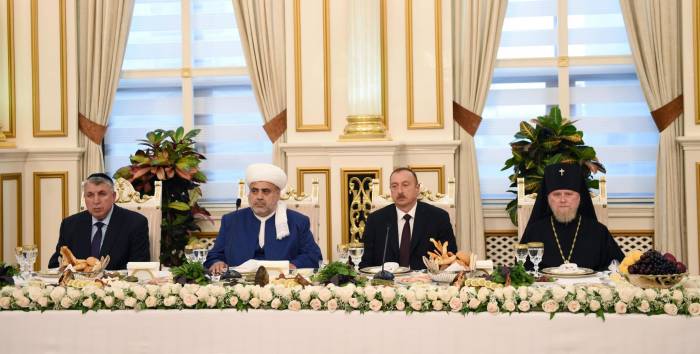
Azerbaijan’s government has institutionalized tolerance and inclusivity as central pillars of its national policy. Minority groups enjoy equal rights and access to education, cultural preservation programs, and religious freedom. The state actively supports interfaith dialogue, ensuring that leaders from different religious communities participate in public events, fostering mutual respect.
Azerbaijan’s leadership also prioritizes the preservation of cultural heritage. Schools and cultural centers for ethnic minorities are state-supported, and minority languages are protected and promoted. This proactive approach ensures that diversity remains a source of strength, not division.
Azerbaijan’s model of tolerance extends beyond its borders. As a secular state with a majority-Muslim population, it bridges divides between East and West, championing dialogue and cooperation in international forums. Azerbaijan’s active participation in the Organization of Islamic Cooperation (OIC) and its efforts to combat extremism further solidify its reputation as a peacebuilder. The country’s approach—rooted in inclusivity and mutual respect—offers a template for resolving conflicts in ethnically and religiously diverse regions.
 evrejskaja-panorama
In an era marked by polarization and intolerance, Azerbaijan’s model of multiculturalism offers a vision of hope. It demonstrates that unity in diversity is achievable—and essential. The country’s policies, cultural practices, and historical legacy all point to one truth: harmony thrives when inclusivity and respect form the foundation of society.
Azerbaijan’s success should inspire other nations to look beyond their differences and embrace diversity as a source of strength. By following Azerbaijan’s example, the world can move closer to a future where peaceful coexistence is not an exception but the rule.
The material was prepared with the financial support of the Media Development Agency of the Republic of Azerbaijan.
(If you possess specialized knowledge and wish to contribute, please reach out to us at opinions@news.az).


Similar news