Azerbaijan leads "green revolution" in Caucasus – Analysis


By Sabina Alizade
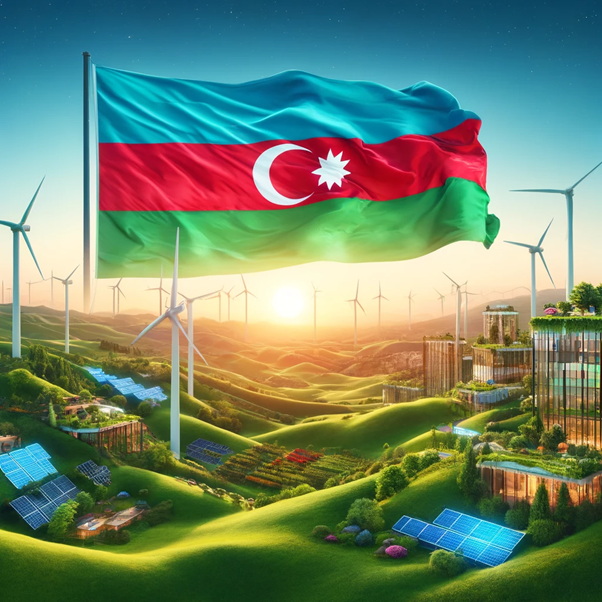
The use of alternative energy is becoming a key aspect of the global fight against climate change. Azerbaijan, aiming to establish a "green economy," is actively developing this sector, drawing on international experience and cooperation. The country has already launched large-scale projects with major international players in the renewable energy field, such as "Masdar," ACWA Power, and "bp". This not only promotes sustainable development but also enhances economic efficiency by conserving traditional fuels like oil and gas.
In 2022, Azerbaijan, Georgia, Romania, and Hungary signed a strategic agreement to develop and transfer "green energy," underscoring Azerbaijan's growing role in the European energy network. The agreement facilitates the export of energy produced in the Caspian Sea, thereby deepening energy integration and strengthening the ecological security of the region.
Additionally, Azerbaijan has joined a global initiative that aims to triple the production of renewable energy and double energy efficiency by 2030. With favorable geographic and climatic conditions, Azerbaijan possesses tremendous potential in the "green energy" sector, positioning it as a leader in this field in the Caucasus.
In recent years, Azerbaijan has achieved significant progress in renewable energy development, actively utilizing the country's natural resources. It boasts impressive technical potential for alternative energy, with 135 GW on land and 157 GW in marine zones. The economically viable potential, however, is estimated at 27 GW, which includes various sources of renewable energy.
Key areas of focus include wind energy, with a potential of 3,000 MW, making wind a pivotal source for the country’s green energy development. Solar energy also plays a significant role, with a potential of 23,000 MW, highlighting the region's favorable conditions for solar panel utilization. Contributions from bioenergy and hydroelectric power from mountain rivers also play a role, with potentials of 380 MW and 520 MW, respectively.
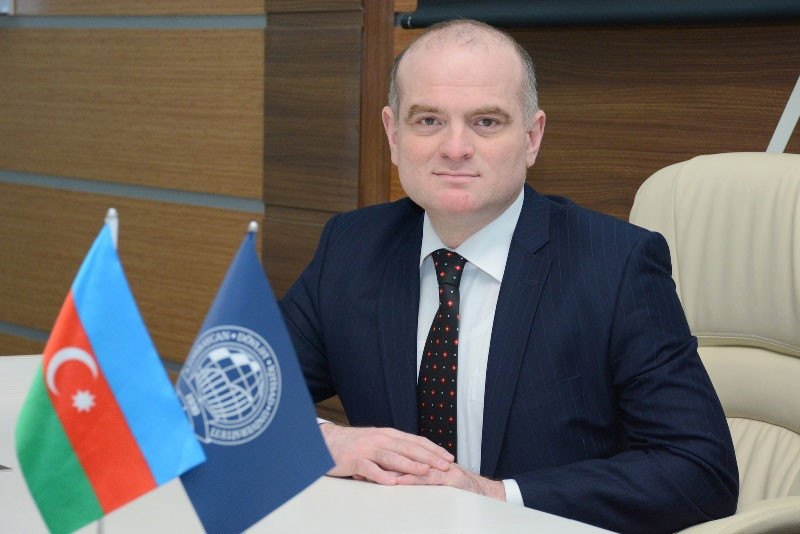
Professor Elshad Mammadov, head of the Innovative Research Center at Azerbaijan Technical University, emphasized the importance of developing alternative energy sources in Azerbaijan's investment strategy in an interview with news.az. According to him, the country's goal is to increase the share of alternative energy to 30% by 2030. Mammadov highlighted that achieving this target will require investments in projects utilizing water, wind, and solar energy. He considers the regions recently liberated from occupation as particularly promising, noting that they contain up to 25% of the country's water resources.
The expert also pointed out the significant potential for development in wind and solar energy, which has not yet been fully realized. In his view, the joint development of these three directions makes the achievement of the set goal feasible. Mammadov did not rule out the inclusion of nuclear energy in future projects. "Considering the need for industrial development and export diversification, we must aim for a significant increase in electricity production, where alternative energy should play a crucial role," he added.
Mammadov also noted the active development of Azerbaijan's international energy connections, particularly with Georgia, Romania, and Hungary, which helps attract investments and foster economic growth in the country.
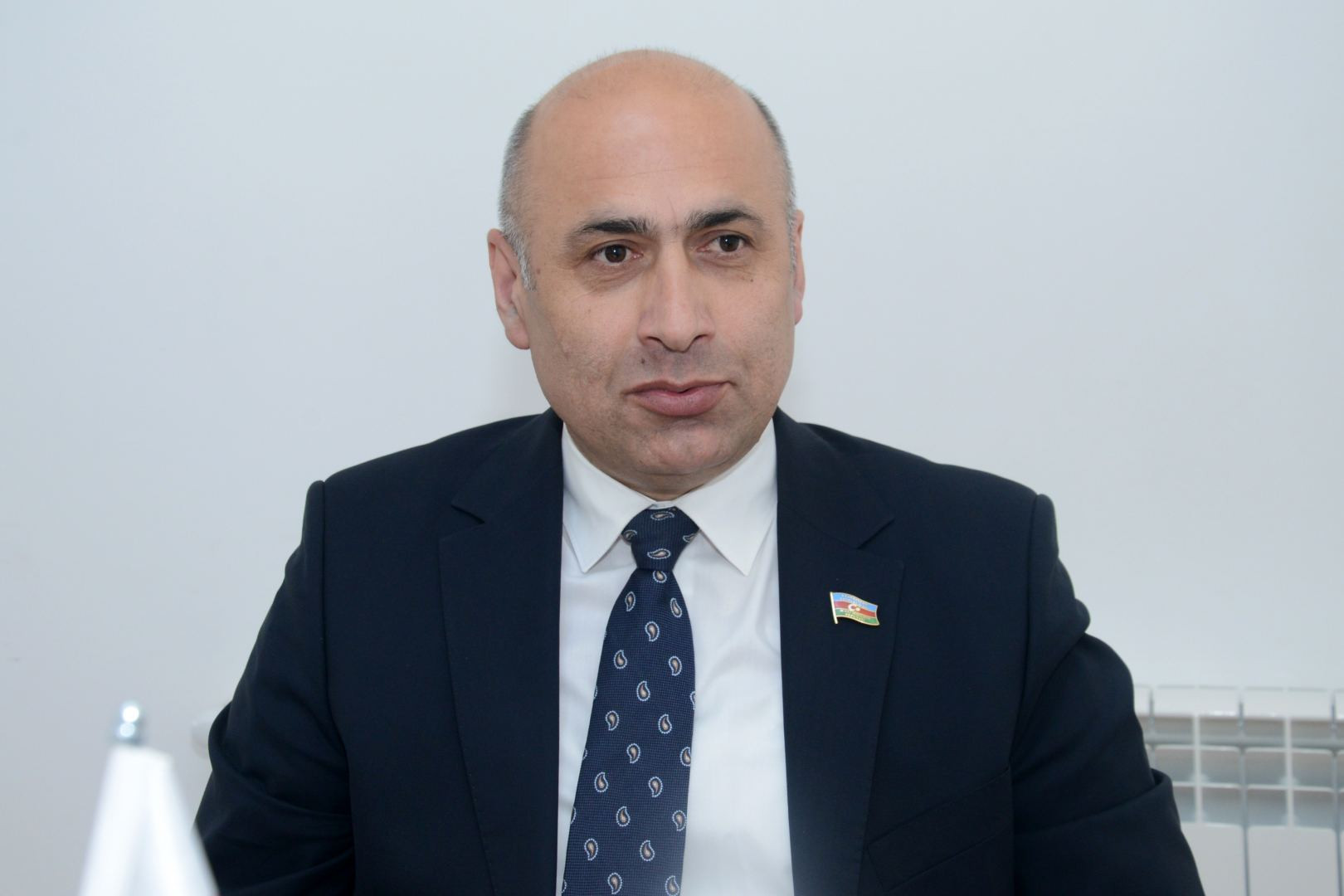
In turn, Azerbaijani economist Azer Badamov emphasized the importance of fulfilling the strategic priorities announced on February 2, 2022. One of the key priorities is to achieve a high level of environmental cleanliness and stimulate green growth by 2030.
"Azerbaijan, as an active participant in the global community, has joined UN global initiatives to combat climate change, aiming to increase the share of renewable energy sources to 30%," stated Badamov.
Badamov also reported significant progress in the development of renewable energy on the liberated territories, where hydroelectric power stations have been restored in the last three years, providing the local settlements with electricity from renewable sources. According to him, the country's renewable energy potential is about 200 gigawatts, a significant portion of which comes from marine resources.
Azerbaijan, according to Badamov, is not limiting itself to domestic consumption of green energy but plans to export to the European market. "The creation of the Green Energy Council and plans to build a green energy corridor through the Black Sea in cooperation with Georgia, Hungary, and Romania open new opportunities for exporting green electricity and hydrogen," he added.
Badamov highlighted Azerbaijan's role in global sustainable development efforts. "Baku will host the international COP 29 conference in November this year, which will be a significant contribution to the development of the renewable energy sector and reaffirm our commitment to global environmental initiatives," he said.
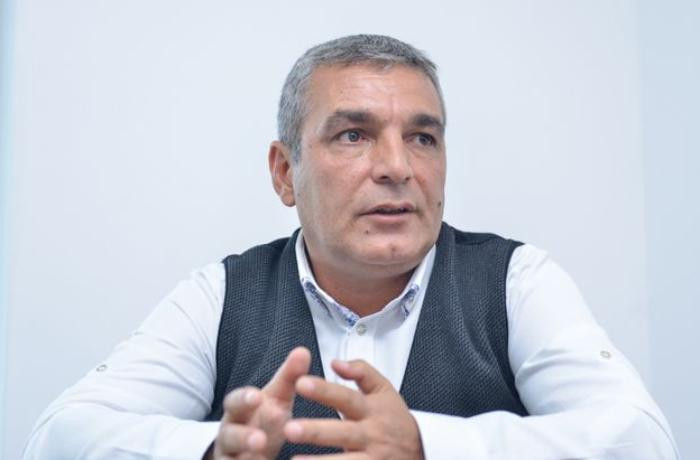
Economist Natik Jafarli emphasized Azerbaijan's high potential in the field of renewable energy, highlighting the favorable conditions for its development across various regions of the country. He pointed out that solar energy production is particularly promising, given that some areas enjoy up to 300 sunny days per year.
Nevertheless, Jafarli called for a more thoughtful approach to resource allocation. He suggested using the fertile lands of liberated territories for agriculture, while placing solar panels in the Aran regions such as Kurdamir, Ujar, and Beylagan, where solar energy can be generated more efficiently.
Jafarli also emphasized that optimally utilizing infertile lands for solar panel installation not only promotes economic growth but also enhances ecological sustainability. "In regions where the lands are saline and unsuitable for agriculture, setting up solar energy installations seems to me the most sensible solution," he added.
P.S. Experts predict a significant increase in the share of electricity generated from renewable sources globally by 2030. It is expected that so-called "green energy" will account for about 65% of all produced electricity. According to forecasts by the International Renewable Energy Agency, by 2050, this figure could reach 90%. It is also projected that by then, global carbon dioxide emissions will be reduced by 70%, marking a significant step in combating climate change. The largest increase in electricity production from wind and sun is expected to occur primarily in the Caucasus, Central Asia, and the countries of Eastern and Southeastern Europe.


Similar news