BYD Volkswagen talks signal new phase in global EV competition


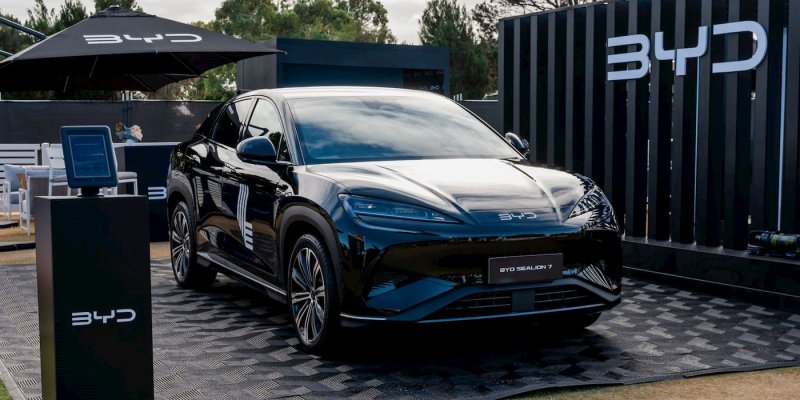
Chinese electric vehicle giant BYD is in discussions with Volkswagen over a potential deal to take over part of the Dresden facility, widely known as the Transparent Factory.
The talks are still at an early stage, but they signal a significant shift in the European automotive landscape as Chinese manufacturers increasingly look to establish production bases within the region.
RECOMMENDED STORIES
What is the Dresden plant and why is it important?
The Dresden site has long been one of Volkswagen’s most symbolic factories. Known for its glass architecture and showcase style production, it previously built premium vehicles and later electric models.
Vehicle production at the site was halted in recent years as part of Volkswagen’s restructuring efforts, leaving the facility underutilized. It is now being repositioned partly as a technology and innovation hub, opening the door for potential partnerships.
What exactly is BYD planning?
BYD is reportedly considering using part of the factory to manufacture electric vehicles in Europe. The proposed concept would split the site into two functions:
One part would remain focused on innovation and research, possibly in collaboration with local institutions.
The other part could be used by BYD for electric vehicle production.
This arrangement would allow shared use of the facility without requiring a full transfer of ownership.
Why is BYD interested in the plant?
The move aligns with BYD’s broader strategy to expand aggressively in Europe. Establishing production in Germany offers several advantages.
It strengthens brand perception by associating production with a country known for automotive excellence.
It helps avoid potential import tariffs imposed on vehicles manufactured outside the European Union.
It improves supply chain efficiency and reduces logistics costs in a highly competitive market.
Why would Volkswagen consider such a deal?
For Volkswagen, the discussions reflect a pragmatic response to evolving market conditions. The company has faced pressure from slowing demand, rising operational costs, and growing competition from Chinese electric vehicle makers.
Allowing BYD to use part of the Dresden facility could reduce maintenance costs for an underused plant and create opportunities for new forms of collaboration or shared innovation.
Are other companies involved?
There have been indications that other Chinese electric vehicle manufacturers have also explored similar opportunities in Europe. This points to a broader trend of Chinese brands seeking local production footprints rather than relying solely on exports.
What does this mean for Europe’s auto industry?
If finalized, the deal would highlight a major shift in the global automotive industry. Chinese manufacturers are no longer just exporting vehicles but are increasingly integrating into European industrial ecosystems.
This intensifies competition for traditional automakers, as new entrants gain proximity to customers, suppliers, and regulatory frameworks within Europe.
Is the deal confirmed?
No final agreement has been announced. The discussions remain ongoing and subject to regulatory, political, and labor considerations. German stakeholders are likely to closely evaluate any arrangement involving foreign use of a domestic manufacturing site.
What are the broader strategic implications?
The potential deal reflects several important trends.
Chinese automakers are accelerating global expansion.
Local production is becoming essential for competing in major markets.
Legacy industrial assets are being repurposed rather than abandoned.
Traditional competitors may increasingly collaborate in unexpected ways.
Conclusion
The possible involvement of BYD at Volkswagen’s Dresden plant underscores how rapidly the automotive sector is evolving. As electric vehicles reshape the industry, established players and emerging challengers are finding new ways to coexist and compete.
While still under negotiation, the development signals a future in which geographic boundaries matter less and strategic partnerships become more common.
By Faig Mahmudov


Similar news