Chernobyl’s radioactive landscape becomes a thriving sanctuary for wild animals


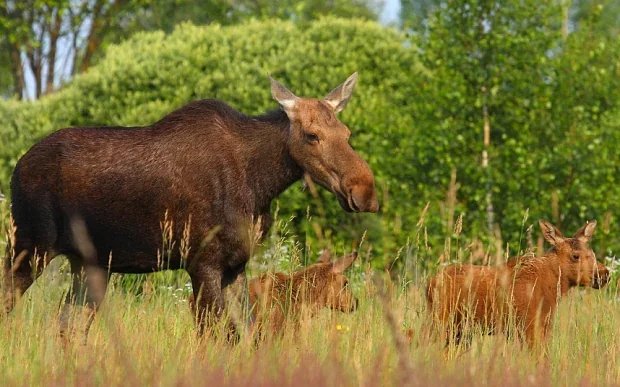
Four decades after the 1986 nuclear disaster, the Chernobyl exclusion zone has transformed into a vast, unintended nature reserve where wildlife is thriving in the absence of humans .
Despite radiation levels that remain too dangerous for human habitation, populations of wolves, lynx, moose, and red deer have rebounded across the desolate territory spanning Ukraine and Belarus, News.Az reports, citing Independent.
Even brown bears have returned to the region after more than a century of absence. The landscape, once defined by urban settlements, is being reclaimed by nature as trees pierce abandoned Soviet-era buildings and forests overtake dissolving roads.
The most notable residents of this radioactive wilderness are the Przewalski’s horses, a stocky, sand-colored breed that was nearly extinct before being introduced to the zone in 1998. Originally from Mongolia, these "spirit" horses have adapted successfully to the environment, grazing across an area larger than Luxembourg.
RECOMMENDED STORIES
Scientists observing the zone note that nature recovers with remarkable speed when human pressure is removed, creating a landscape that resembles European wilderness from centuries past. Hidden cameras continue to capture these animals navigating the overgrown cemeteries and weathered ruins, proving that the world's worst nuclear disaster site has become a unique haven for some of the planet's rarest species.
By Leyla Şirinova


Similar news