COP30 host city Belem tries to boost economy while preserving the Amazon


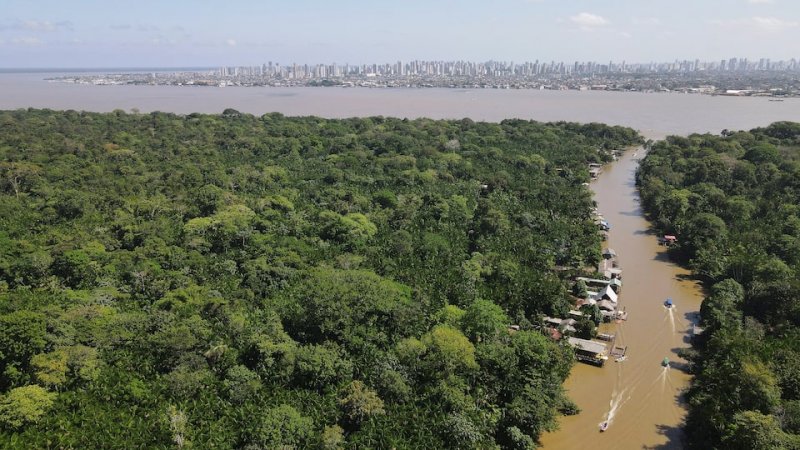
As the Amazon’s gateway prepares to host COP30, the state of Pará is showcasing a new development model aimed at protecting the rainforest while generating income for local communities.
Located along the Guamá River, Belém is rolling out a strategy that shifts away from deforestation for cattle or mining and instead promotes transforming natural forest products — such as açaí, cacao, and Brazil nuts — into high-value goods for global markets, News.Az reports, citing Reuters.
“We want to turn our forest assets into a new strategic sector,” Pará Governor Helder Barbalho told Reuters. “This helps reduce dependence on high-emission extractive industries and builds a low-carbon economy that values the living forest.”
A major symbol of this new approach is the Bioeconomy and Innovation Park, a 300-million-real ($56 million) facility opened in October. The lab-equipped hub allows entrepreneurs to develop new foods, fragrances, and natural products using ingredients sourced from the rainforest.
Chef Leonardo Souza, one of the first participants, said the park helped him scale production of his Amazon herb-infused salt from 60 jars per day to around 1,000, increasing the number of families he sources herbs from nearly fivefold.
A 2019 study by the IDB, the Nature Conservancy, and Natura found that Pará’s forest product value chains already generate more than 4.2 billion reais, matching income from cattle grazing and proving the bioeconomy’s commercial potential.
“This isn’t a niche market. It can be very muscular,” said Paula Caballero, the Nature Conservancy’s Latin America director.
Açaí remains one of the most important products, with global demand rising sharply. Market projections show growth from $1.23 billion in 2024 to over $3 billion by 2032.
At Belém’s historic Ver-o-Peso market, riverboats unload açaí every night. Exporter Damien Binois, founder of NOSSA! AÇAÍ, now works with 150 local producers and is planning a large processing plant that could employ 200 people by 2030.
“Açaí income is very strong — prices have jumped from $3 to around $11 per pot in five years,” he said.
NGO Amazonia Agroflorestal supports 234 families growing organic coffee in southern Amazonia while reforesting land that was heavily deforested in the 1970s.
Director Sarah Sampaio says Belém’s new innovation lab allows producers to develop better packaging and premium blends for both domestic and international markets.
“We provide seedlings, soil prep, and technical assistance so families can restore their land while earning sustainably,” she explained.
While Brazil’s bioeconomy push is new, Amazon forest products have been sold at Ver-o-Peso for over a century. Vendors like Bete Cheirosinha, a fifth-generation seller, combine indigenous knowledge with modern markets, offering herbal tinctures and natural remedies.
“We have more than a thousand herbs — each curing something,” she said.
For others, like cassava seller Allison Charles, the value of Amazon goods is as cultural as it is economic:
“We awaken memories. That’s the most rewarding part.”


Similar news