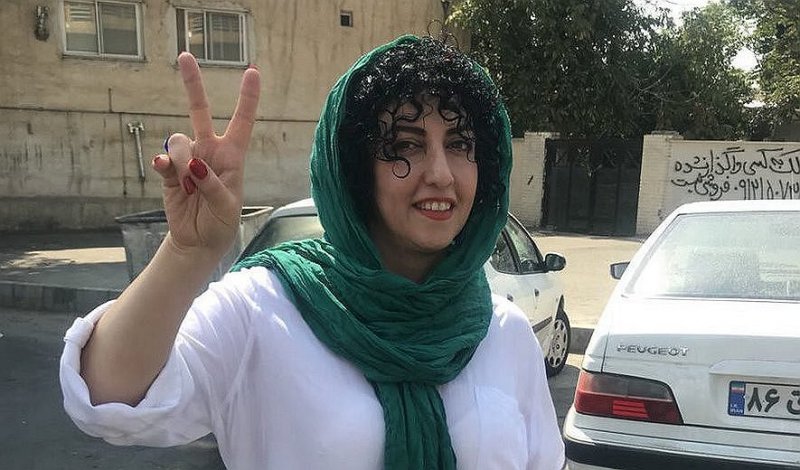
The decision comes after weeks of mounting pressure from rights organizations, political activists, Nobel Committee officials, and Mohammadi’s family, who warned that her condition inside prison had become life threatening.
According to statements from her legal team and supporters, Mohammadi was transferred from Zanjan prison to a hospital in Tehran for specialized medical treatment after suffering severe health complications, including suspected heart attacks and episodes of unconsciousness. Her family described her condition as critical and argued that prison authorities had failed to provide adequate medical care.
The temporary release of Mohammadi has once again focused international attention on Iran’s treatment of political prisoners, women’s rights activists, and dissidents. It has also renewed debate over the broader state of civil liberties and political repression in the country.
Although Iranian authorities reportedly suspended her sentence on medical grounds and granted temporary release under heavy bail conditions, Mohammadi’s supporters insist that the move is insufficient and continue demanding her unconditional freedom and the dismissal of charges against her.
For many observers, the case has become symbolic of the wider confrontation between Iran’s ruling establishment and activists calling for greater freedoms, women’s rights, judicial reform, and political openness.
Who is Narges Mohammadi?
Narges Mohammadi is one of Iran’s most internationally recognized human rights activists.
She has spent years campaigning for:
women’s rights,
freedom of expression,
the abolition of the death penalty,
and improved conditions for political prisoners in Iran.
Mohammadi became globally known for documenting alleged abuses inside Iranian prisons and speaking out against solitary confinement, forced confessions, and restrictions on civil liberties.
In 2023 she was awarded the Nobel Peace Prize for what the Norwegian Nobel Committee described as her struggle against the oppression of women in Iran and her fight for human rights and freedom for all.
At the time of receiving the award she was imprisoned in Iran.
Over the years Mohammadi has repeatedly faced arrest, imprisonment, interrogation, and additional criminal charges linked to her activism.
Rights organizations say she has become one of the most prominent symbols of peaceful resistance against repression in Iran.
Why was she released on bail?
Iranian authorities reportedly granted Mohammadi temporary release because of serious medical concerns.
According to statements from her family, lawyers, and foundation, she experienced severe health deterioration in prison, including suspected cardiac episodes, loss of consciousness, dramatic weight loss, chest pain, and respiratory problems.
Reports said she was first hospitalized in Zanjan before being transferred by ambulance to Tehran where she could be treated by her own medical team.
Her legal representatives stated that Iranian authorities suspended her prison sentence temporarily on medical grounds and released her under substantial bail conditions.
The move followed increasing international pressure from human rights organizations, European officials, and Nobel Committee representatives who publicly warned that Mohammadi’s health was deteriorating rapidly.
How serious is her health condition?
According to her family and supporters, Mohammadi’s condition became extremely serious in recent months.
Reports indicate she suffered suspected heart attacks, recurring chest pain, unstable blood pressure, breathing difficulties, and episodes of unconsciousness while imprisoned.
Her family stated that she lost significant weight and required specialized medical treatment unavailable inside prison facilities.
Supporters accused prison authorities of delaying or restricting access to adequate medical care despite repeated warnings from doctors and family members.
The Norwegian Nobel Committee also expressed concern over her condition and called for her release.
Mohammadi has reportedly faced multiple health complications over recent years, including previous surgeries and chronic medical issues aggravated by repeated imprisonment.
Why has her case attracted global attention?
Several factors explain the extraordinary international attention surrounding Mohammadi’s case.
First, she is a Nobel Peace Prize laureate, giving her case enormous international visibility.
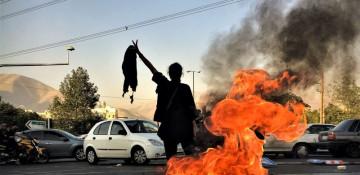
Second, she became closely associated with broader movements demanding women’s rights and civil liberties in Iran, particularly following the “Women, Life, Freedom” protests that erupted after the death of Mahsa Amini in 2022.
Third, her writings and testimonies about prison conditions attracted widespread international concern.
Mohammadi repeatedly criticized:
solitary confinement,
judicial repression,
mandatory hijab policies,
and alleged abuses against detained women.
Human rights organizations argue that her imprisonment reflects broader patterns of political repression targeting activists, journalists, lawyers, and dissidents in Iran.
Her deteriorating health therefore became a symbol of wider concerns about the treatment of political prisoners in the country.
What charges has Iran brought against her?
Iranian authorities have accused Mohammadi of multiple national security related offenses over the years.
These reportedly included accusations such as:
propaganda against the state,
collusion against national security,
and participation in illegal organizations.
Rights groups and her supporters strongly reject those accusations, arguing that she has been punished solely for peaceful activism and human rights advocacy.
According to reports, Mohammadi has been arrested numerous times and sentenced repeatedly over the course of her activism career.
Earlier in 2026 she reportedly received an additional prison sentence linked to her activism and public criticism of authorities.
Her supporters argue that the judicial cases against her are politically motivated.
What role did the “Women, Life, Freedom” movement play?
Mohammadi became one of the most internationally recognized voices linked to the “Women, Life, Freedom” movement.
The protests erupted across Iran after the death of Mahsa Amini, a young woman detained by morality police over alleged violations of hijab regulations.
The demonstrations evolved into one of the most serious challenges faced by Iran’s leadership in years.
Women played a central role in the protests, demanding:
greater freedoms,
gender equality,
and an end to restrictive social policies.
Mohammadi openly supported the movement from prison and criticized government crackdowns against protesters.
Her Nobel Peace Prize in 2023 was widely interpreted internationally as recognition of both her activism and the broader struggle for women’s rights in Iran.
Why are human rights organizations criticizing Iran?
Rights groups accuse Iranian authorities of:
suppressing dissent,
restricting free expression,
detaining activists,
and using the judiciary against political opponents.
Organizations have also raised concerns regarding:
prison conditions,
medical neglect,
forced confessions,
internet restrictions,
and the treatment of women activists.
Mohammadi’s case intensified those criticisms because supporters argued her health deteriorated severely while authorities allegedly delayed adequate treatment.
Several international organizations demanded her immediate release on humanitarian grounds.
The case has therefore become part of broader international scrutiny regarding Iran’s human rights record.
How has Iran responded to international criticism?
Iranian authorities generally reject accusations of systematic human rights abuses and frequently accuse Western governments and international organizations of politicizing human rights issues.
Officials often argue that detained activists violated national security laws rather than being punished for peaceful dissent.
Iran has also accused foreign governments of interfering in domestic affairs through support for opposition movements and criticism of Iranian judicial decisions.
At the same time authorities occasionally grant temporary medical leave or bail releases to prisoners facing severe health conditions.
However, critics argue these measures are often limited, temporary, and insufficient.
What does “temporary release” actually mean?
Temporary release does not necessarily mean Mohammadi’s legal cases have been dismissed.
According to reports, Iranian authorities suspended her sentence temporarily to allow medical treatment under bail conditions.
This means she could potentially be returned to prison later depending on judicial decisions and medical evaluations.
Her family and supporters therefore continue demanding:
permanent release,
dismissal of charges,
and guarantees she will not be returned to prison conditions that allegedly worsened her health.
Human rights organizations argue that humanitarian medical leave alone does not resolve the broader issues surrounding political detentions.
Why is her memoir attracting attention?
Recent reports indicated that Mohammadi completed memoirs and writings documenting prison conditions and alleged abuses faced by detained women in Iran.
According to excerpts discussed in international media, the memoir reportedly describes:
solitary confinement,
physical abuse,
medical neglect,
and psychological pressure inside Iranian prisons.
Supporters say the writings were smuggled out of prison over several years.
The memoir has attracted significant attention because it provides firsthand accounts from one of Iran’s best known political prisoners.
For many observers, her writings reinforce broader international concerns about detention conditions and treatment of dissidents in Iran.
Could her release affect Iran’s international image?
Possibly.
Iran’s treatment of high profile political prisoners frequently affects international perceptions of the country.
Mohammadi’s Nobel Prize status made her imprisonment especially sensitive diplomatically.
The temporary release may ease some immediate international pressure regarding her medical condition.
However, rights groups and foreign governments are likely to continue monitoring her situation closely.
If authorities return her to prison after treatment, criticism could intensify again.
The case therefore remains politically and symbolically important both inside and outside Iran.
What broader lessons emerge from the case?
Narges Mohammadi’s temporary release highlights several broader realities about modern Iran.
First, it demonstrates the continuing tension between state authority and civil society activism.
Second, it shows how women’s rights movements have become central to political debate inside Iran.
Third, it illustrates the growing international visibility of Iranian human rights issues following recent protest movements.
Finally, the case reveals how health conditions and prison treatment increasingly become major aspects of political and diplomatic pressure campaigns.
For supporters of Mohammadi, her release represents only a temporary humanitarian measure rather than a true resolution.
For Iranian authorities, the case remains tied to broader concerns about political stability, dissent, and state control.
Whether her medical release becomes the beginning of a more permanent resolution or merely another temporary episode in a long cycle of detention and activism remains uncertain.
But the international attention surrounding her case ensures that Narges Mohammadi will likely remain one of the most closely watched human rights figures connected to contemporary Iran.