Does JD Vance have a Palantir problem? Growing scrutiny


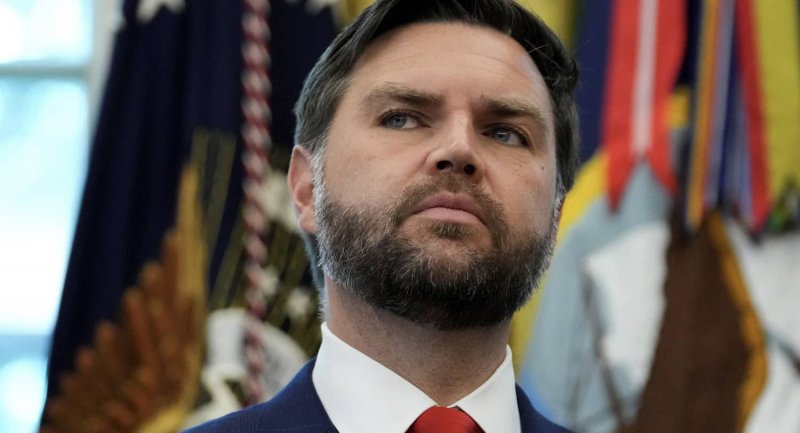
Vice President JD Vance is facing mounting political pressure over his long-standing relationship with Palantir Technologies, a powerful data analytics firm whose influence inside the Trump administration continues to expand.
What began as a routine Democratic talking point — focused on Vance’s ties to Palantir co-founder Peter Thiel, who mentored Vance early in his career and poured $15 million into his 2022 Senate run — has now become a source of tension within Trump’s own political coalition, News.Az reports, citing foreign media.
In recent weeks, several prominent conservative figures, including Steve Bannon, Joe Rogan, and Roger Stone, have expressed unease about Palantir’s growing footprint in federal agencies. Stone even said he warned Vance directly that his “biggest fear for the country is Palantir,” citing concerns about futuristic, large-scale government surveillance.
Vance has dismissed these claims, telling young conservatives that accusations he is “in bed” with the company are nothing more than an “internet meme.” He insists Palantir is simply a private contractor that provides both helpful and controversial services.
Despite attempts to distance himself, Palantir has become deeply embedded in the federal government:
- DHS
- Department of Veterans Affairs
- State Department
- IRS
- Pentagon and U.S. Army
The company has secured billions in federal deals since Trump took office, including a potential $10 billion Army contract, while its stock price has tripled since the election.
Its software is now central to major policy areas, such as immigration enforcement and federal workforce restructuring, both top priorities for Trump’s second term.
Concerns escalated after a March executive order mandated broader interagency data coordination. Critics across the political spectrum fear that combining Palantir’s tools with advanced AI could give the government unprecedented insight into Americans’ private lives.
Palantir strongly denies those claims, saying in a June statement:
“We are not a surveillance company… We do not sell personal data… We don’t provide data-mining as a service.”
Still, as the company's influence grows, skepticism only intensifies.
Vance has attempted to strike a middle ground. He argues that Big Tech platforms collecting consumer data for profit pose a bigger privacy threat than Palantir’s government contracts. Yet he also acknowledges that modern technology is “crazy and weird,” with real implications for civil liberties.
His position is delicate. Trump has increasingly surrounded himself with Silicon Valley billionaires, even as the GOP’s populist wing becomes more suspicious of tech giants. Recent flashpoints include:
- Bannon’s ongoing clashes with Elon Musk
- Ron DeSantis sounding alarms about energy-hungry data centers
- Josh Hawley pushing investigations into AI-related harms
Against this backdrop, Vance — once a venture capitalist and long-time Thiel protégé — stands between two worlds: conservative populists and tech elites.
Palantir CEO Alex Karp, who backed Kamala Harris in 2024 before shifting toward Trump post-election, has built close ties with the new administration and donated to pro-Trump groups. Former Palantir adviser Jacob Helberg now holds a senior State Department role.
Their growing visibility has angered activists like Laura Loomer, who accuses Palantir of trying to “infiltrate” the administration to secure massive defense contracts.
For now, Vance has not proposed any specific steps to address privacy or data protection concerns. None of Trump’s 213 executive orders to date prioritize consumer data safeguards, and the administration recently backed moves to block state-level AI regulations.
As Palantir cements its position in Washington and skepticism grows among the MAGA base, Vance must navigate conflicting pressures:
- loyalty to Trump’s governing agenda
- distrust from conservative activists
- his own deep ties to the tech sector
How he manages this divide may shape both Trump’s coalition — and Vance’s long-term political trajectory.


Similar news