Exclusive report reveals framework of a major diplomatic deal between Tehran and Washington


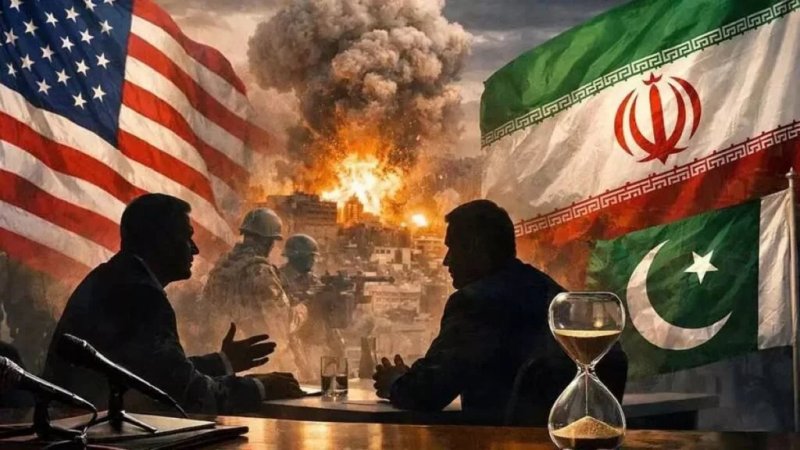
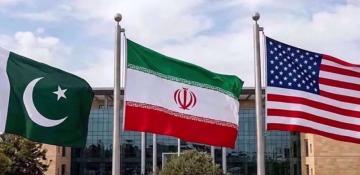
A significant shift in Middle Eastern geopolitics appears to be underway following an exclusive report by Israel Hayom, which has unveiled the intricate details of a burgeoning "major deal" between Tehran and Washington.
According to the report, high-level backchannel negotiations have produced a framework aimed at de-escalating long-standing regional tensions and addressing the nuclear impasse, News.Az reports, citing Voice of Emirates.
The potential agreement, which has been kept under tight wraps by both administrations, suggests a mutual desire to avoid a full-scale regional conflict while simultaneously addressing economic and security concerns that have plagued the relationship for decades.
RECOMMENDED STORIES
The core of the deal reportedly involves a "freeze-for-freeze" approach, where Iran would commit to capping its uranium enrichment levels and increasing cooperation with international inspectors in exchange for significant relief from specific economic sanctions.
Beyond the nuclear file, the report indicates that the negotiations have touched upon regional maritime security, particularly in the Strait of Hormuz, and the status of frozen Iranian assets in foreign banks. This comprehensive framework represents one of the most ambitious diplomatic efforts since the 2015 nuclear accord, reflecting a pragmatic pivot by both parties to stabilize global energy markets and reduce the risk of military miscalculation.
While the news of the deal offers a glimmer of hope for regional stability, it has already sparked intense scrutiny from key stakeholders, most notably within Israel. Security officials and political leaders in Jerusalem are reportedly concerned that the agreement may offer Tehran too much economic breathing room without sufficiently dismantling its military capabilities or curbing its influence across the "Axis of Resistance." The Israel Hayom reveal highlights a growing anxiety that a temporary "calm" might allow Iran to further entrench its regional position, leading to a more complex security challenge for the Jewish state in the long run.
As both Washington and Tehran move closer to a formal announcement, the international community remains cautiously optimistic but wary of the domestic political hurdles in both capitals. For the Biden administration, the deal could serve as a major foreign policy win, potentially lowering oil prices and shifting focus to other global priorities.
For the Iranian leadership, it offers a vital lifeline to an embattled economy. However, the success of the deal will ultimately depend on the verification mechanisms put in place and the ability of both sides to withstand pressure from hardline factions at home who view any compromise as a strategic defeat.
By Leyla Şirinova


Similar news