Pro-Russian Radev-aligned party secures landslide victory in Bulgaria’s eighth election since 2021


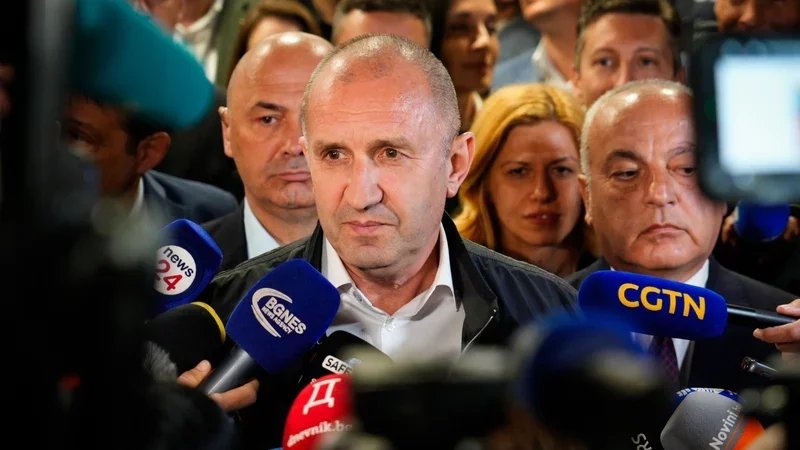
Bulgaria’s prolonged political deadlock has taken a decisive turn following the country’s eighth general election in just five years.
The latest vote resulted in a landslide victory for the political faction aligned with the pro-Russian President Rumen Radev, signaling a significant shift in the nation's domestic and foreign policy trajectory, News.Az reports, citing Polskie Radio.
This repeated trip to the ballot box since 2021 underscores a deep-seated fragmentation within the Bulgarian electorate, but the overwhelming success of Radev-linked forces suggests that voters may finally be gravitating toward a centralized, albeit controversial, power base in hopes of achieving long-term stability.
RECOMMENDED STORIES
The election results have sent ripples through the European Union and NATO, as the winning party has historically advocated for a more "neutral" stance regarding the conflict in Ukraine and has pushed for the restoration of energy ties with Moscow. Critics argue that this victory could jeopardize Bulgaria’s integration into the core of the Eurozone and potentially soften the country's commitment to collective Western sanctions. However, supporters of the movement view the outcome as a necessary correction, prioritizing national economic interests and energy security over what they perceive as external geopolitical pressures.
The persistent inability of centrist and pro-European parties to form a lasting coalition contributed heavily to the rise of this pro-Russian sentiment. After seven failed attempts to maintain a stable government, the Bulgarian public appears to have been exhausted by the revolving door of leadership, allowing Radev’s allies to capitalize on a platform of "order" and traditional sovereignty. This shift is particularly notable given Bulgaria's strategic position on the Black Sea, making its internal political alignment a matter of high stakes for regional security and the unity of the Balkan Peninsula.
As the new parliament prepares to convene, the primary challenge will be whether this landslide victory can actually translate into a functional administration or if the deep divisions between pro-Western and pro-Russian factions will lead to further paralysis. For now, the election marks a clear departure from the status quo, placing Bulgaria at a crossroads between its established European commitments and a renewed pull toward its historical and cultural ties with Russia. The international community will be watching closely to see how the new government balances these competing interests in the months ahead.
By Leyla Şirinova


Similar news