Germany prepares for a new military era as Europe watches closely


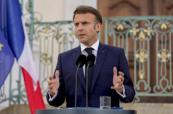
Germany has unveiled its first official military strategy, marking a major shift in the country’s defence policy as Berlin seeks to reduce dependence on the United States and strengthen Europe’s ability to deter Russian threats. The new doctrine was presented by German Defence Minister Boris Pistorius on April 22 and reflects growing security concerns following Russia’s invasion of Ukraine.
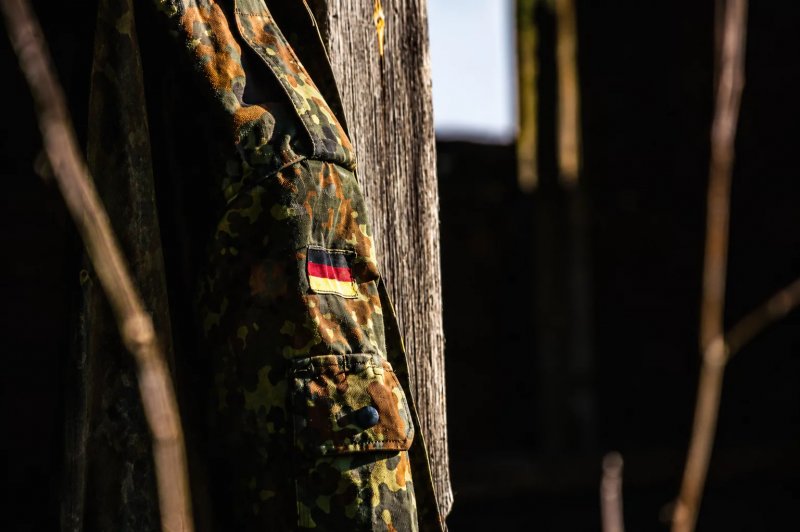
The strategy focuses on collective European defence, rapid deployment capabilities, stronger air defence systems and increased military spending within NATO frameworks. It also formalises Germany’s earlier “Zeitenwende” policy, which committed billions of euros to modernising the Bundeswehr, News.Az reports, citing BISI.
Germany is positioning itself for a greater leadership role in European security while attempting to strengthen NATO’s eastern flank.
RECOMMENDED STORIES
The new strategy is expected to increase Germany’s military importance within Europe, especially for countries such as Poland and the Baltic states, which have repeatedly called for stronger German defence commitments against potential Russian aggression.
However, analysts warn that serious problems continue to affect the Bundeswehr despite the large financial investments announced since 2022. Although Germany created a €100 billion special fund to modernise its military, many procurement programmes remain delayed and operational readiness has improved slower than expected.
Germany has approved major defence purchases including Lockheed Martin F-35 fighter jets, CH-47F Chinook helicopters, expanded air-defence systems and ammunition reserves. Still, experts say equipment shortages, bureaucratic delays and recruitment problems continue to weaken the armed forces.
The strategy also highlights Germany’s intention to become more militarily independent within Europe while remaining committed to NATO. Analysts say this could create future tensions within transatlantic relations if disagreements emerge over defence priorities, military spending or burden sharing between Europe and the United States.
Germany’s growing military role is already reflected in defence spending. In 2025, the country became the largest military spender among European NATO members after increasing military expenditures by 24 percent to around $114 billion. Germany also exceeded NATO’s two percent GDP defence spending target for the first time since reunification.
German leaders have additionally announced ambitions to build the “strongest conventional army in Europe.” NATO planning targets may require Germany to expand the Bundeswehr by another 50,000 to 60,000 troops in the coming years.
The strategy also places Germany at the centre of NATO logistics and reinforcement plans for Eastern Europe. Berlin has pledged to provide 35,000 troops along with major air and naval assets within 30 days under NATO’s new force model.
At the same time, experts warn that infrastructure weaknesses remain a major challenge. Assessments have shown that parts of Germany’s rail and transport systems are in poor condition, potentially limiting rapid military movement and reinforcement capabilities during a crisis.
Analysts say the long-term success of Germany’s military transformation will depend on political stability, economic conditions and whether the government can successfully reform defence procurement and recruitment systems in the years ahead.
By Leyla Şirinova


Similar news