Guinea-Bissau votes in tight presidential race with Embalo seeking second term


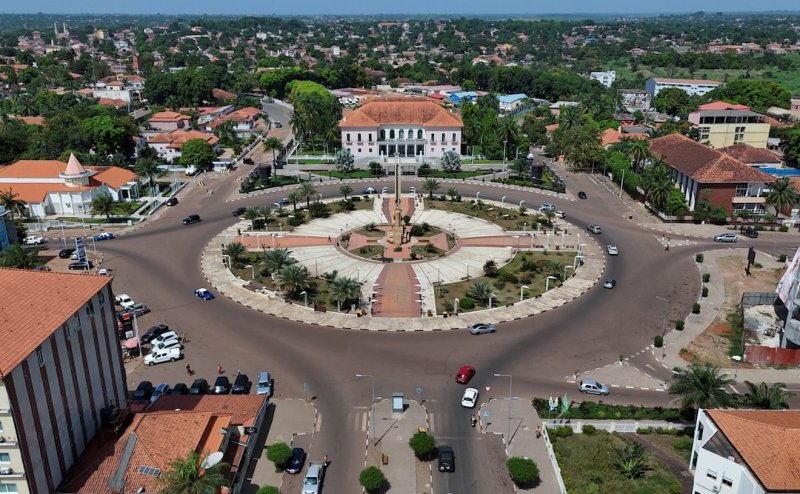
Guinea-Bissau went to the polls on Sunday for presidential and legislative elections, with President Umaro Sissoco Embalo in a close contest to become the first leader in three decades to secure a second consecutive term.
Embalo faces 11 other candidates, with the strongest challenger being Fernando Dias, a political newcomer backed by the party that led Guinea-Bissau’s independence movement. However, the African Party for the Independence of Guinea and Cape Verde was barred from fielding its own candidates this year after authorities said it submitted papers late, News.Az reports, citing Reuters.
Turnout: Exceeded 65%, with provisional results expected Thursday.
Voting: Embalo cast his ballot in the eastern city of Gabu, calling on citizens to vote for stability and progress.
Runoff possibility: If no candidate secures more than 50% of the vote, a second-round runoff will be held.
Guinea-Bissau has experienced at least nine coups since gaining independence in 1974. Embalo has faced three more during his tenure, though he denies allegations of creating crises to justify crackdowns.
His opponent Dias accused Embalo of failing to curb the cocaine trade, noting the country remains a key transit point for drugs traveling from South America to Europe. Embalo denies any government involvement.
According to the Global Initiative Against Transnational Organized Crime, the cocaine trade may now be more profitable than at any point in Guinea-Bissau’s history.
Nearly half of the country’s two million residents were registered to vote.
Observers describe the political atmosphere as highly polarized, with opposition campaigning limited compared to Embalo’s established support.
Citizens expressed mixed views: some trust Embalo to address security and food crises, while others are concerned about his decision to dissolve parliament following a reported coup attempt in 2023.
The vote counting began immediately after polls closed at 1700 GMT, and the nation awaits results that could determine whether Guinea-Bissau sees an unprecedented second-term presidency or a shift toward new leadership.


Similar news