Il Giornale magazine: Italy experience and Alto Adice model can contribute to resolution of Nagorno-Karabakh conflict


The article deals with the expectations from Italy’s OSCE presidency as to the resolution of Armenian-Azerbaijani conflict over Nagorno-Karabakh.
Italy’s influential Il Giornale newspaper has published the article titled ‘Italy in OSCE. Expectations and prospects for the future of the Caucasus’ by senior researcher of the Nodo di Gordio thinktank, professor Andrea Marciliano.
The article deals with the expectations from Italy’s OSCE presidency as to the resolution of Armenian-Azerbaijani conflict over Nagorno-Karabakh.
The author notes that though the news of Italy's presidency in the OSCE in 2018 was virtually ignored by local media outlets due to political elections and economic debates, this is yet an important event, which has a great significance and turns Italy into a focus of the international community and the presence of many "hot spots" gives an opportunity to Italy to gain a great influence on the international scene and protect its interests as the OSCE chairman.
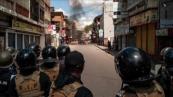
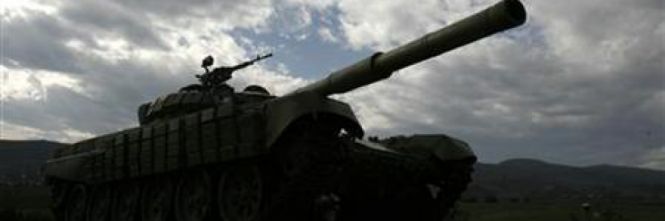
The author of the article notes that one of the first issues that Italy faces during the OSCE presidency is the long-standing Armenian-Azerbaijani Nagorno-Karabakh conflict. Speaking about the history of the conflict, the author says that it appeared at the dawn of the USSR, that the Armenian community in Nagorno-Karabakh put forward their claim for the region, that Armenia supported them and Armenian armed forces with the support of the third parties occupied not only Nagorno-Karabakh but also seven other regions of Azerbaijan, that they committed the real "ethnic cleansing", forcing more than one million Azerbaijanis to flee, and that Europe witnessed it. Noting that the situation has not changed yet and the frozen conflict periodically escalates, the author stresses that despite numerous UN resolutions demand the condemnation of military occupation, the return of refugees and internally displaced persons to their homes, restoration of Azerbaijan's sovereignty over the occupied territories and the resolution of the conflict through negotiations, the OSCE Minsk Group has yet failed to solve this problem and the work of the co-chairs of this group - France, Russia and the United States - has become paralyzed because of the special interests of each of them.
The author notes that as the first chairman of the OSCE, Italy once set proposals for the settlement of the conflict between Baku and Yerevan and worked out the timetable of urgent measures in line with the resolutions of the UN Security Council envisaging withdrawal of the Armenian troops from the occupied territories of Azerbaijan but unfortunately that proposal was ignored.
From this experience, the author suggests that Italy can contribute to the resolution of the conflict by offering its Alto Adice model, which means the return of the occupied territories to Azerbaijan, restoration of the territorial integrity of Azerbaijan, the return of Azerbaijani refugees and internally displaced persons to their homelands, and giving Nagorno- Karabakh international guarantees that would consist of granting large autonomy which guarantees the security of Armenian minorities. Noting that such an autonomy already exists in Alto Adicé, the author stressed that all international observers acknowlegde such a status of autonomy as the safest for minorities.
The author notes that for this reason Romney's presidency in the OSCE has plenty of expectations and perspectives, and that official Baku, as the acting chairman of the OSCE, positively assessed the inclusion of this conflict into Italy's priorities, recalling the proposals of Italy as the first Minsk Group's OSCE chair. He also says the OSCE Chairperson-in-Office expressed his hope that Italy would demonstrate its commitment to fulfill the UN resolutions and urged all participating states to restore the "Helsinki spirit" and to fully comply with the principles of the OSCE to ensure the peaceful solution to the conflicts
The author states that Azerbaijan is the main oil supplier of Italy, that oil is transported via the Baku-Tbilisi-Ceyhan pipeline, that the Southern Gas Corridor originates in the Azerbaijani sector of the Caspian Sea and that the last section of the corridor - the Trans Adriatic Pipeline (TAP) will turn Italy into a hub for natural gas transportation to the entire Southern Europe. Stressing that establishment of peace in the Caucasus region through settling the Nagorno-Karabakh conflict is important for the global geological balance, the author emphasizes Azerbaijan’s strategic role in the new transport and communications lines. He also notes the importance of the new Baku-Tbilisi-Kars railroad, connecting the East with the Mediterranean basin and stresses its being part of such a giant project as ‘One Belt, One Road’, Silk Way 2.0 project that will ensure the prosperity of the Mediterranean region and the entire Europe.
The author notes that all these communications and power lines pass through areas close to the Nagorno-Karabakh conflict zone and that all this infrastructure can be damaged in case hostilities resume. The author stresses that the powers influencing the public opinion in Armenia have begun to warn of the damage to Yerevan caused by its isolation from the processes of development underway in the Caucasus and that this fact can create opportunities for the diplomatic settlement of the conflict.
News.Az


Similar news