India raises fuel prices for first time in over four years


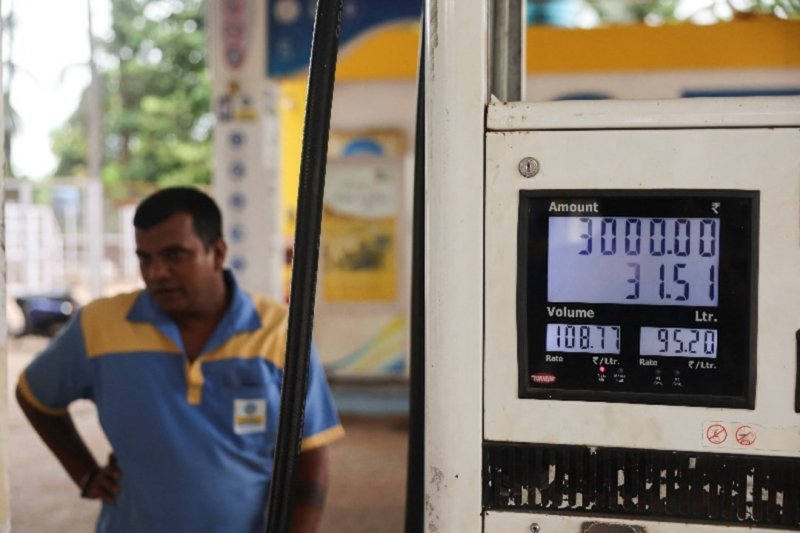
Feeling the impact of the Middle East conflict on energy supplies, India on Friday announced its first fuel price hike in over four years, News.Az reports, citing Anadolu.
The price of petrol was increased by three rupees (3¢), bringing it to 97.77 rupees ($1.2) per liter, while diesel rose to 90.67 rupees ($0.95) per liter in New Delhi.
The increase, which comes after no price changes since April 2022, was introduced days after a senior Indian official stated that Indian oil companies are suffering significant losses due to the repercussions of the energy shock stemming from the Middle East conflict.
RECOMMENDED STORIES
Officials said India’s oil marketing companies have been absorbing losses of nearly 10 billion Indian rupees (about $104.5 million) per day in order to ensure that the “burden of global astronomical prices is not passed to Indian citizens.”
According to the government, these oil marketing companies continue to bear losses of close to 10 billion Indian rupees (about $104.54 million) daily, with the aim of preventing the transfer of the “burden of global astronomical prices” onto Indian consumers.
India sources almost 50% of its energy supplies, valued at around $180 billion in 2024, from the Middle East. Last month, India also announced that it had resumed oil imports from Iran for the first time in seven years, amid ongoing tensions in the region that began on Feb. 28.
Prime Minister Narendra Modi last week urged citizens to reduce fuel consumption, recommending measures such as working from home. He also reduced the size of his motorcade as part of broader fuel-saving efforts.
Authorities in New Delhi additionally announced a policy requiring government employees to work from home two days a week.
Regional tensions have escalated following strikes carried out by the US and Israel against Iran on Feb. 28, which triggered retaliatory attacks from Tehran targeting Israel as well as US allies in the Gulf.
The Strait of Hormuz, a crucial global shipping route through which roughly 20% of global oil shipments pass, has also experienced significant disruption as a result of the ongoing conflict.
By Nijat Babayev


Similar news